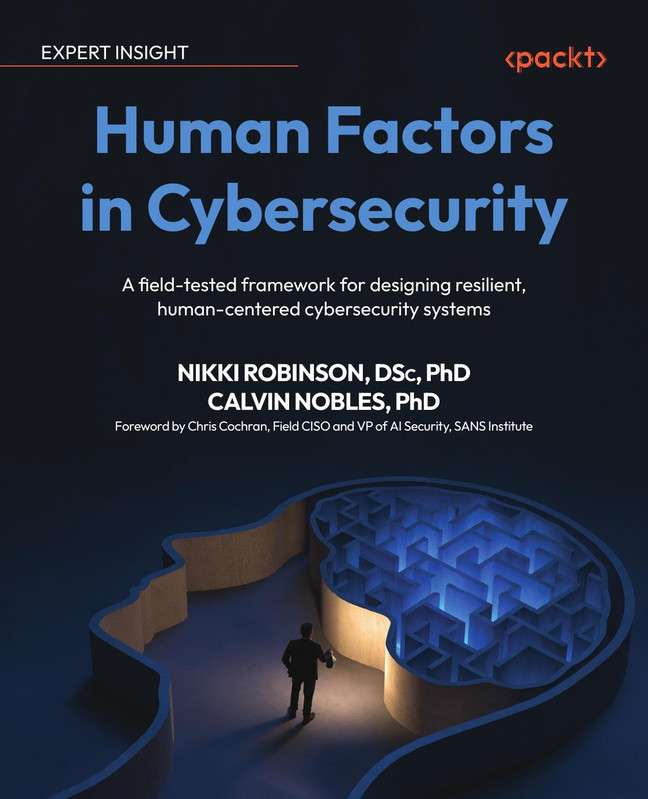
Human Factors Cybersecurity Framework Guide helps professionals understand how human behavior influences cybersecurity risks, security awareness, and organizational protection strategies. This comprehensive course explores practical frameworks, behavioral security concepts, and real-world cybersecurity challenges while teaching learners how to reduce human error and strengthen security culture effectively. Moreover, the course combines cybersecurity principles with psychology, risk management, and practical defensive strategies to improve organizational resilience.
Why Learn Human Factors in Cybersecurity?
Modern cybersecurity threats often target people rather than technology alone. Therefore, organizations must understand how employees, users, and human decision-making affect security outcomes. This course explains how social engineering, phishing attacks, insider threats, and poor security habits create vulnerabilities that attackers frequently exploit.
Additionally, learners will discover how organizations can develop security-focused cultures that encourage safe online behavior. As cyberattacks continue to evolve, companies increasingly seek professionals who understand both technical security controls and human-centered risk management strategies.
What You Will Learn
Understand the role of human behavior in cybersecurity
Identify common human-related security vulnerabilities
Analyze phishing, social engineering, and manipulation tactics
Develop cybersecurity awareness training programs
Build effective incident response communication strategies
Improve organizational security culture and compliance
Understand insider threats and risk mitigation techniques
Apply behavioral psychology concepts to cybersecurity
Strengthen authentication and user security practices
This course combines cybersecurity theory with practical real-world applications. Furthermore, learners will explore case studies, attack simulations, and behavioral analysis methods that demonstrate how attackers manipulate human weaknesses. Each module focuses on actionable techniques that organizations can immediately apply to improve cybersecurity defenses.
In addition, the course explains how businesses can balance usability, productivity, and security without creating unnecessary complexity for users. Learners will also examine how communication, leadership, and workplace culture influence cybersecurity success.
Who Should Take This Course?
Cybersecurity professionals and analysts
IT managers and security administrators
Risk management professionals
Compliance and governance specialists
Business leaders and decision-makers
Students interested in cybersecurity careers
Human resource and employee training teams
Anyone responsible for organizational security awareness
Practical Topics Covered
Human-centered security continues to play a critical role in modern cybersecurity operations. Consequently, this course covers practical topics that help organizations strengthen security defenses through better user awareness and behavioral protection strategies.
Social engineering attack prevention
Phishing awareness and detection
Password security and authentication practices
Cybersecurity communication strategies
Behavioral risk analysis
Insider threat management
Remote work security challenges
Security awareness program development
Human error reduction techniques
Cybersecurity compliance and policy training
Tools and Frameworks
Throughout the course, learners will work with practical cybersecurity methodologies and industry-recognized frameworks. Moreover, students will gain knowledge that applies directly to enterprise security environments and organizational risk management processes.
Security Awareness Frameworks
Risk Assessment Methodologies
Cybersecurity Governance Models
Behavioral Analysis Techniques
Incident Response Planning
Compliance and Security Standards
Identity and Access Management Concepts
Human-Centered Security Strategies
Career Benefits
Organizations increasingly recognize that cybersecurity depends heavily on human behavior and employee awareness. Therefore, professionals with expertise in human-centered cybersecurity frameworks remain highly valuable across industries. This course helps learners build practical knowledge that supports careers in cybersecurity, governance, compliance, risk management, and security awareness training.
Furthermore, learners will strengthen communication, leadership, and analytical skills that improve their ability to manage security challenges effectively within modern organizations.
Human factors remain one of the most critical elements in cybersecurity defense strategies. As cyber threats continue to target human behavior, organizations must improve awareness, communication, and security culture to reduce risks effectively. This course provides practical frameworks, behavioral insights, and actionable cybersecurity strategies that help learners strengthen both personal and organizational security practices. Whether you work in IT, management, compliance, or cybersecurity operations, this training offers valuable skills for protecting modern digital environments.
Additional information
Authors
(Nikki Robinson, Calvin Nobles)
Publisher
Packt
Published On
2026-03-25
Language
English
File Format
PDF
File Size
8.51 MB
Rating
⭐️⭐️⭐️⭐️⭐️ 4.59
Reviews
There are no reviews yet.
Only logged in customers who have purchased this product may leave a review.













![Certified AWS Cloud Red Team Specialist [CARTS] Online Course](https://expertrainingdownload.com/wp-content/uploads/2024/05/screenshot_112-300x294.jpg)
















































































Reviews
There are no reviews yet.