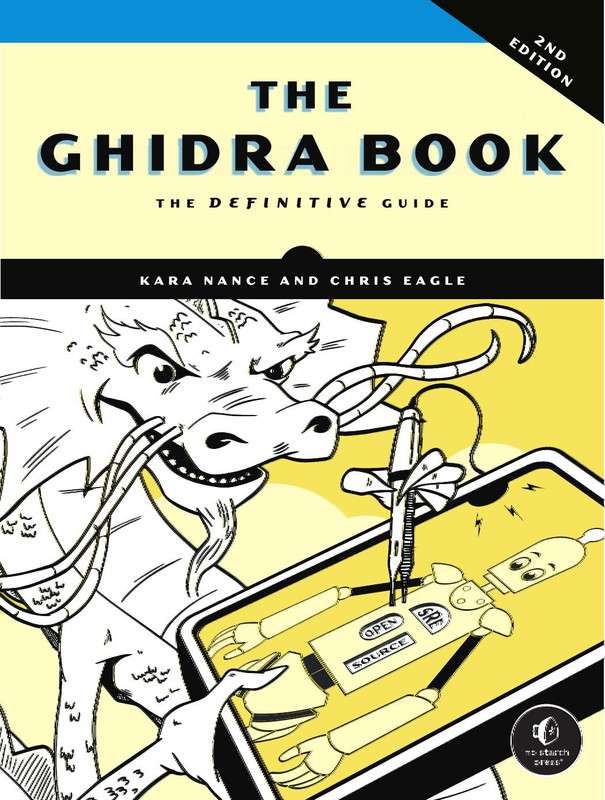
Ghidra Reverse Engineering Guide Second Edition: Definitive Resource
Ghidra Reverse Engineering Guide is a comprehensive training resource designed for cybersecurity professionals, security researchers, malware analysts, and software engineers who want to master reverse engineering using Ghidra. This course provides an in-depth exploration of binary analysis, executable inspection, malware investigation, and software vulnerability research. Moreover, it equips learners with practical techniques used by professionals to analyze compiled applications and uncover hidden functionality.
Developed around the powerful Ghidra framework, this training takes learners from foundational concepts to advanced reverse engineering workflows. Furthermore, it explains how to analyze software binaries, understand assembly code, identify vulnerabilities, and investigate malicious programs. As a result, students gain valuable skills that apply directly to cybersecurity, digital forensics, malware analysis, and software security assessments.
Course Overview
The course begins with an introduction to reverse engineering fundamentals and the Ghidra interface. Next, learners explore executable file structures, processor architectures, and assembly language concepts. Additionally, the training demonstrates how Ghidra converts machine code into human-readable representations that simplify software analysis.
As the course progresses, students learn advanced techniques for navigating disassembled code, analyzing program logic, and identifying critical functions. Consequently, they develop the ability to understand how applications operate internally. Moreover, hands-on exercises reinforce theoretical concepts and provide practical experience with real-world analysis scenarios.
What You Will Learn
Ghidra installation, configuration, and project management
Reverse engineering fundamentals and methodologies
Assembly language and processor architecture basics
Executable and binary file analysis
Function identification and code navigation
Decompiler usage and code interpretation
Static malware analysis techniques
Software vulnerability discovery methods
Debugging and code tracing concepts
Security research and software assessment workflows
Key Topics Covered
Throughout the course, learners explore executable formats such as PE and ELF files. In addition, they analyze program control flow, memory structures, and software behavior. Furthermore, the course demonstrates how to identify encryption routines, authentication mechanisms, and potentially vulnerable code sections.
Students also learn how reverse engineers investigate suspicious applications and malware samples. Therefore, they gain valuable insight into how attackers create malicious software and how defenders analyze threats. Consequently, learners strengthen both offensive and defensive cybersecurity skills.
Practical Applications
Malware analysis and investigation
Software security auditing
Vulnerability research
Digital forensics examinations
Application behavior analysis
Legacy software understanding
Cyber threat intelligence research
Security assessment and penetration testing support
After completing this course, learners will possess practical reverse engineering skills that are highly valued within cybersecurity and software security industries. Moreover, they will understand how to analyze software behavior, investigate malware, and identify potential vulnerabilities. Consequently, they can pursue roles such as Reverse Engineer, Malware Analyst, Security Researcher, Digital Forensics Specialist, Vulnerability Researcher, or Cybersecurity Consultant.
Ultimately, this definitive Ghidra guide provides a powerful foundation for mastering reverse engineering techniques. Therefore, whether your goal is malware analysis, vulnerability research, software auditing, or advanced cybersecurity investigations, this course delivers the knowledge and practical skills needed for success.
“`
Additional information
Authors
(Kara Nance, Chris Eagle)
Publisher
Expert Training
Published On
22-01-26
Language
English
File Format
PDF
File Size
17.40 MB
Rating
⭐️⭐️⭐️⭐️⭐️ 4.21
Reviews
There are no reviews yet.
Only logged in customers who have purchased this product may leave a review.



































![Certified Red Team Analyst [CCRTA] Online Course LAB Video & PDF Guides](https://expertrainingdownload.com/wp-content/uploads/2024/05/Certified20Red20Team20Analyst205BCCRTA5D-300x300.jpg)














![Certified AWS Cloud Red Team Specialist [CARTS] Online Course](https://expertrainingdownload.com/wp-content/uploads/2024/05/screenshot_112-300x294.jpg)




























Reviews
There are no reviews yet.