
Description
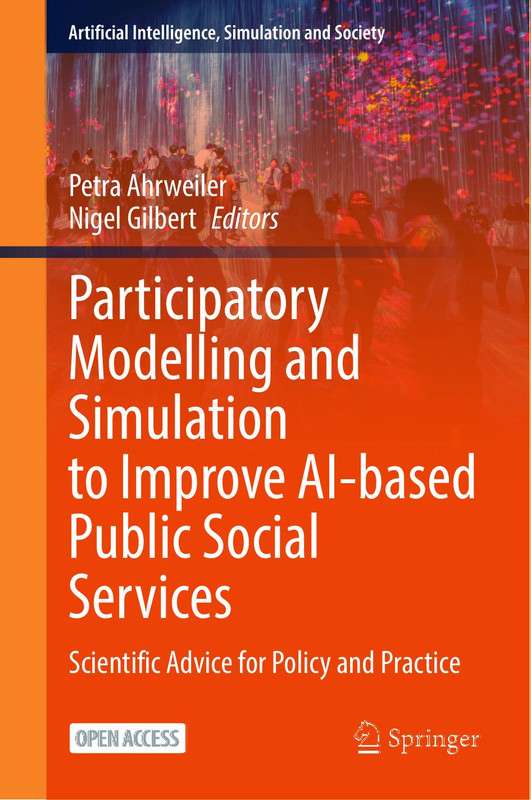
Participatory Modelling Simulation for AI Public Services Guide
Participatory AI Services Simulation helps professionals, policymakers, and researchers understand how collaborative modelling techniques improve public service decision-making using artificial intelligence. This comprehensive course explores participatory modelling, AI-driven simulations, stakeholder collaboration strategies, and practical public sector applications. Moreover, the course combines theoretical foundations with real-world implementation methods, allowing learners to design transparent, efficient, and citizen-focused AI systems for modern governance.
Why Learn Participatory Modelling for AI Public Services?
Governments and public institutions increasingly use artificial intelligence to improve healthcare, transportation, education, energy systems, and urban planning. However, effective AI systems require transparent decision-making and community participation. Therefore, this course teaches learners how participatory modelling creates inclusive and data-driven public service solutions.
Additionally, learners will explore how simulation models help policymakers predict outcomes, evaluate risks, and improve service delivery before implementing large-scale AI systems. As a result, organizations can reduce operational inefficiencies while increasing public trust and accountability.
What You Will Learn
- Understand participatory modelling principles and frameworks
- Build AI-driven simulation models for public services
- Analyze stakeholder engagement strategies
- Design collaborative decision-making systems
- Learn systems thinking and policy simulation techniques
- Use AI tools for urban planning and smart governance
- Evaluate ethical and social impacts of AI systems
- Develop predictive models for public sector applications
- Improve transparency in AI-assisted policymaking
- Create practical simulation projects using real-world data
Key Course Features
This course combines practical exercises with advanced conceptual learning. Furthermore, learners will work on real-world public service case studies that demonstrate how AI simulations improve operational efficiency and policy planning.
In addition, the training introduces collaborative modelling workflows where communities, analysts, and decision-makers actively contribute to model development. Consequently, students gain valuable experience in creating inclusive and explainable AI systems.
Topics Covered in the Course
- Participatory modelling methodologies
- AI-based simulation frameworks
- Systems dynamics and scenario analysis
- Public sector digital transformation
- Citizen-centric AI service design
- Policy optimization using machine learning
- Risk assessment and impact forecasting
- Ethical AI governance and accountability
- Data visualization for public administration
- Collaborative modelling platforms and tools
Practical Applications
Participatory AI simulations support multiple public service domains. Therefore, this course demonstrates practical implementations that improve planning, forecasting, and public engagement.
- Smart city development and urban planning
- Healthcare resource allocation
- Traffic and transportation optimization
- Climate adaptation and sustainability planning
- Education system management
- Public safety and emergency response systems
- Energy consumption forecasting
- Digital governance and citizen engagement
Tools and Technologies
Throughout the training, learners will gain practical experience with modern simulation and AI technologies. Moreover, the course introduces analytical tools widely used in research institutions and government agencies.
- Python Programming
- AI Simulation Platforms
- Data Analytics Tools
- Machine Learning Frameworks
- Systems Dynamics Software
- Visualization Dashboards
- Collaborative Decision-Making Tools
- Public Policy Analysis Frameworks
Who Should Take This Course?
- Government professionals and policymakers
- Urban planners and smart city developers
- AI researchers and data scientists
- Public administration specialists
- Engineers and simulation analysts
- Students interested in AI governance
- Consultants working on digital transformation projects
Career Benefits
AI-powered public services continue to expand worldwide. Consequently, professionals who understand participatory modelling and simulation techniques are increasingly valuable across government agencies, NGOs, research institutions, and technology companies.
Furthermore, this course helps learners strengthen leadership, analytical thinking, systems modelling, and AI implementation skills. These capabilities support career growth in digital governance, smart infrastructure, public policy analysis, and AI strategy development.
Explore These Valuable Resources
- OECD Artificial Intelligence Policy Resources
- United Nations Digital Cooperation Resources
- IBM Artificial Intelligence Learning Hub
Explore Related Courses
- Artificial Intelligence Courses
- Machine Learning Programs
- Data Science Training
- Python Programming Courses
- Business Intelligence Certifications
Conclusion
Participatory modelling and AI simulations are transforming how governments and organizations design public services. As institutions increasingly adopt data-driven governance, professionals with collaborative AI modelling expertise will remain highly valuable. This course provides practical knowledge, modern tools, and implementation strategies that help learners build transparent, efficient, and citizen-focused AI systems. Whether you work in public administration, AI research, or digital transformation, this training delivers a strong foundation for creating impactful public service solutions.








Reviews
There are no reviews yet.