No products in the cart.
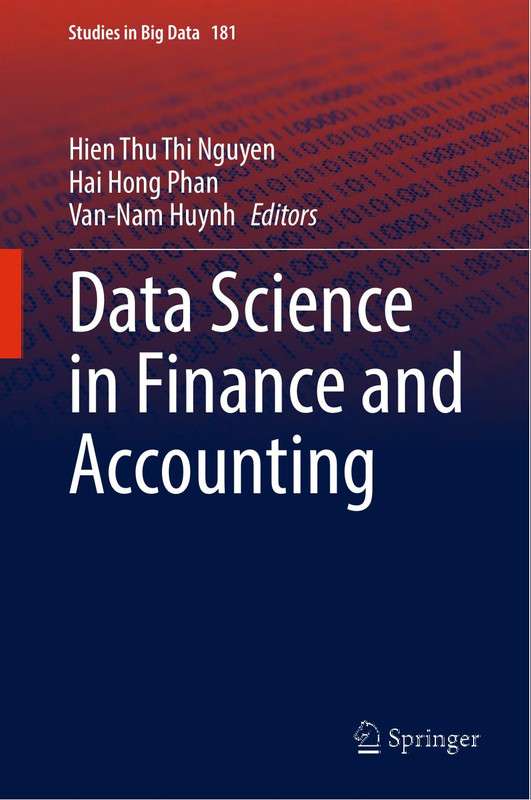
Data Science in Finance and Accounting Practical Guide
Original price was: $49.99.$4.99Current price is: $4.99.
Learn data science finance accounting to analyze financial data, improve forecasting, and enhance accounting decision-making processes.
Description
Data Science in Finance and Accounting Practical Guide
Finance Accounting Data Science skills are transforming the modern financial industry by helping professionals analyze large datasets, automate financial reporting, detect fraud, and improve strategic decision-making. This practical guide provides a complete learning experience for finance professionals, accountants, analysts, and students who want to combine financial expertise with powerful data science techniques. Moreover, the course focuses on real-world applications, enabling learners to solve complex business problems efficiently using data-driven methods.
Why Learn Data Science in Finance and Accounting?
Financial organizations increasingly rely on data science to improve forecasting, risk analysis, investment planning, and operational efficiency. Therefore, professionals who understand both finance and analytics gain a major competitive advantage in the modern business environment.
Additionally, this course explains how machine learning, statistical analysis, and financial modeling work together to create intelligent financial systems. Learners will understand how companies use predictive analytics to optimize performance and improve financial accuracy.
What You Will Learn
- Understand the fundamentals of data science in finance
- Analyze financial datasets using Python and modern tools
- Create financial dashboards and visual reports
- Build predictive financial forecasting models
- Perform accounting data analysis and auditing tasks
- Use machine learning for fraud detection
- Apply statistical methods in financial decision-making
- Automate accounting workflows and reporting systems
- Develop practical business intelligence solutions
- Interpret financial trends and investment risks effectively
Course Features
This practical guide combines theoretical knowledge with hands-on financial analysis projects. Furthermore, learners will work with real-world finance datasets to gain practical experience in financial analytics and accounting automation.
In addition, the course demonstrates how businesses use artificial intelligence and machine learning to improve financial performance. Each module introduces essential concepts step by step, which helps learners build strong analytical and technical skills confidently.
Key Topics Covered
- Financial Data Analysis
- Accounting Analytics
- Business Intelligence Reporting
- Machine Learning in Finance
- Fraud Detection Systems
- Financial Forecasting Models
- Risk Management Analytics
- Investment Data Analysis
- Python for Financial Applications
- Data Visualization Techniques
Practical Applications
Data science continues to reshape the finance and accounting industry. Consequently, this course focuses on practical applications used in real businesses and financial institutions.
- Automated expense tracking and reporting
- Financial forecasting and budgeting
- Stock market and investment analysis
- Customer spending behavior analysis
- Tax and audit data processing
- Banking fraud detection systems
- Cash flow optimization
- Corporate performance analytics
Tools and Technologies
Throughout the course, learners will gain practical experience using modern finance and data science tools. Moreover, these technologies are widely used in banking, accounting firms, financial consulting companies, and multinational corporations.
- Python Programming
- Pandas
- NumPy
- Microsoft Excel
- Power BI
- Tableau
- SQL Databases
- Machine Learning Libraries
Who Should Take This Course?
- Finance professionals seeking analytical skills
- Accountants interested in automation and AI
- Business analysts working with financial data
- Students pursuing finance and accounting careers
- Data analysts entering the financial sector
- Professionals preparing for fintech roles
Career Opportunities
Companies actively search for professionals who understand both finance and data analytics. Therefore, mastering financial data science can open career opportunities in banking, fintech, auditing, investment firms, consulting, and corporate finance departments.
Furthermore, learners can pursue roles such as Financial Data Analyst, Business Intelligence Analyst, Risk Analyst, Financial Consultant, Investment Analyst, Accounting Automation Specialist, or Fintech Data Scientist.
Explore These Valuable Resources
Explore Related Courses
- Data Science Courses
- Finance Training Programs
- Accounting Certification Courses
- Business Intelligence Courses
- Python Programming Training
Conclusion
Data science has become an essential skill in modern finance and accounting industries. As organizations continue to rely on analytics and automation, professionals with strong financial and technical expertise remain highly valuable. This practical guide helps learners develop job-ready skills, improve analytical thinking, and build real-world financial data solutions effectively. Whether you want to enhance your accounting career, enter the fintech industry, or strengthen your financial analysis capabilities, this course provides a strong foundation for long-term professional success.
Additional information
| Authors | Hien Thu Thi Nguyen · Hai Hong Phan · Van-Nam Huynh |
|---|---|
| Publisher | Springer |
| Published On | 2026-02-02 |
| Language | English |
| File Format | |
| File Size | 5.20 MB |
| Rating | ⭐️⭐️⭐️⭐️⭐️ 4.72 |
Only logged in customers who have purchased this product may leave a review.
Recommended Courses and Materials
Data Science Mentorship Program (200+ hours)
Price: 29.00 USD | Size: 68.9 GB | Duration : 200+ Hours | 133 Video Lessons
BRAND:

ENGLISH | INSTANT DOWNLOAD |
Original price was: $79.00.$29.00Current price is: $29.00. 4.9
4.9Thinking Data Science: A Practitioner’s Guide to Data-Driven Decision Making (Springer, 2023)
Learn practical data science methodologies for making data-driven decisions in business and research. Original price was: $49.00.$4.99Current price is: $4.99.Data Science & Machine Learning for Non-Programmers: Using SAS Enterprise Miner (Chapman & Hall CRC, 2024)
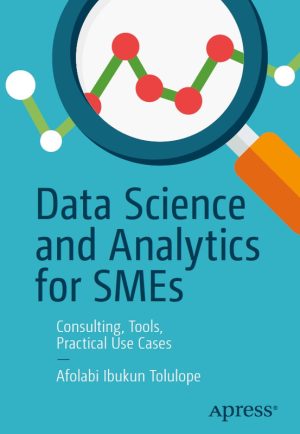
Learn machine learning and data science using SAS Enterprise Miner, designed for non-programmers and business professionals. Original price was: $49.00.$4.99Current price is: $4.99.Data Science & Analytics for SMEs: Consulting & Practical Use Cases (2022)
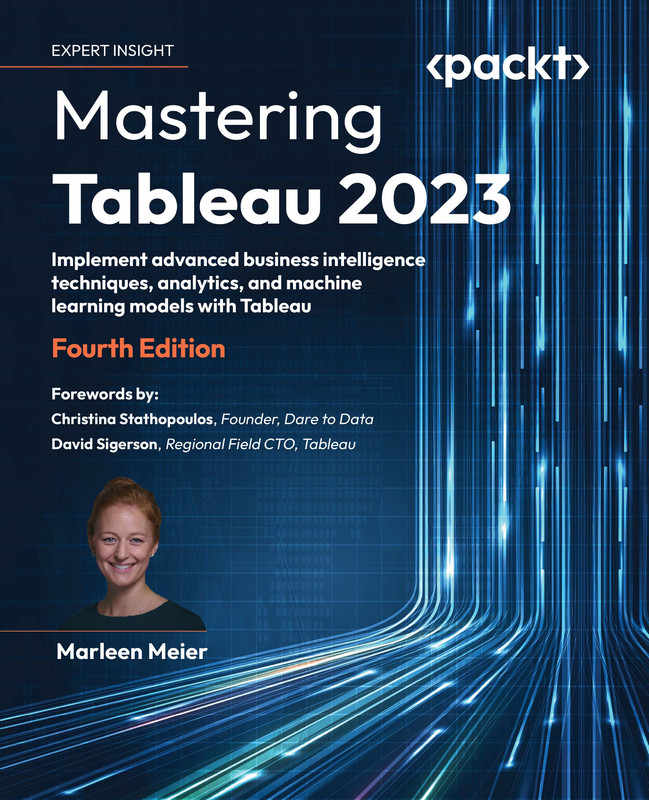
Master data science and analytics for SMEs with practical consulting strategies and use cases in this 2022 guide. Original price was: $49.00.$4.99Current price is: $4.99.Mastering Tableau 2023: Business Intelligence & Analytics Techniques
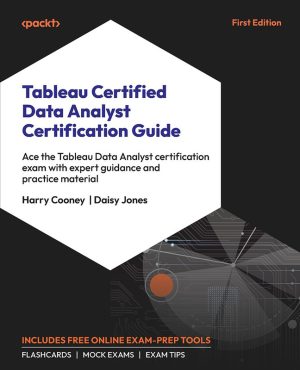
Master Tableau for business intelligence and analytics, and unlock the power of data-driven decision-making in 2023. Original price was: $49.00.$5.99Current price is: $5.99.Tableau Certified Data Analyst Certification Guide
Authors : Harry Cooney , Daisy Jones Publisher : Packt Publishing Ltd Published On : 2024-06 Language : English Identifiers : isbn:9781803249858,google:IJwQEQAAQBAJ ISBN : 9780000000000 Format : epub Size (MB) : 43.70 MB Original price was: $34.99.$3.50Current price is: $3.50.Data Science for Decision Makers: Enhance Leadership with AI Expertise
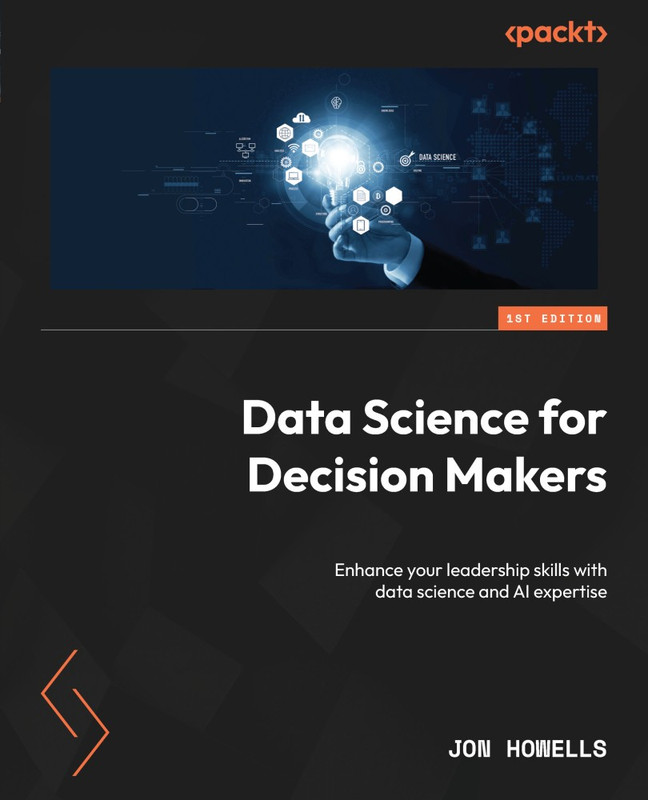
Authors : Jon Howells Publisher : Packt Publishing Ltd Published On : 2024-07 Language : English Identifiers : google:55oPEQAAQBAJ,isbn:9781837638345 ISBN : 9780000000000 Format : epub Size (MB) : 9.90 MB Original price was: $20.45.$2.05Current price is: $2.05.Microsoft 365 Excel VBA Programming For Dummies: 7th Edition
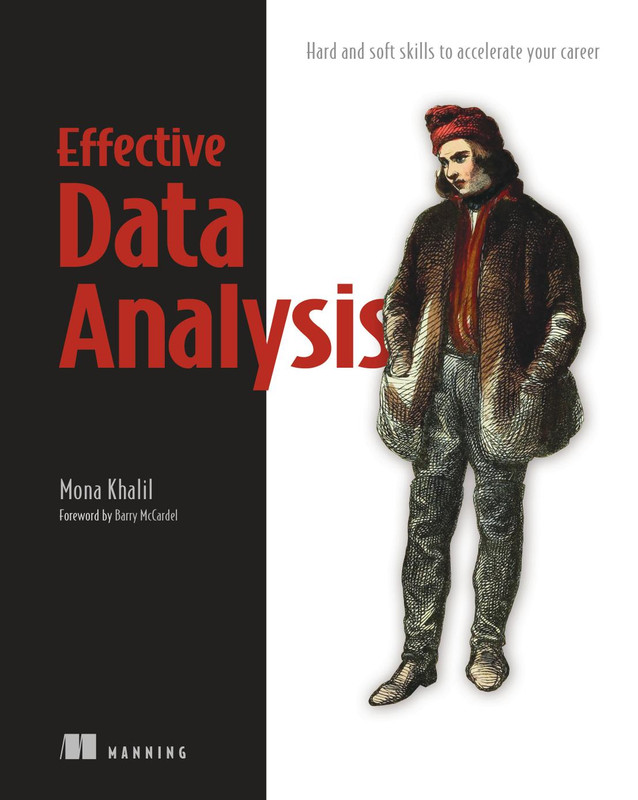
Authors : Dick Kusleika Publisher : Etech Books Published On : 2024-12 Language : English Identifiers : ISBN : Format : pdf Size (MB) : 10.45 MB Original price was: $40.00.$4.00Current price is: $4.00.Effective Data Analysis Mona Khalil
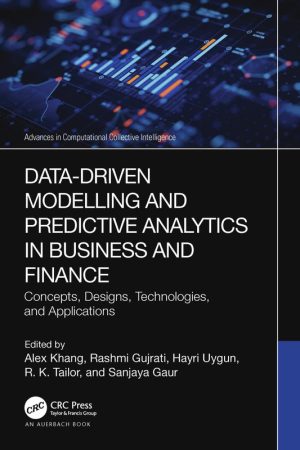
Improve data analysis skills and analytical thinking techniques to make accurate, data-driven decisions in business and research environments. Original price was: $49.99.$4.99Current price is: $4.99.Data-Driven Modelling and Predictive Analytics in Business and Finance: Concepts, Designs, Technologies, and Applications
Learn predictive analytics and data modeling techniques to enhance business and financial decision-making. Original price was: $49.99.$3.99Current price is: $3.99.Data Science Made Easy Hands-On Analytics with No-Code
BRAND : Pearson Size : 1.36 GB Video Lessons : 28 Durations : 4.46 Sale Price : 8 Reqular Price : 25 Language : English Rating : ⭐️⭐️⭐️⭐️⭐️ 4.9 Original price was: $25.00.$8.00Current price is: $8.00.Decision Intelligence Explained: Making Smarter Business Decisions
Master decision intelligence for smarter, data-driven business choices. Original price was: $29.99.$3.00Current price is: $3.00.Business Intelligence & Data Science: A Managerial Perspective (2023)
Explore business intelligence and data science from a managerial perspective and learn how data-driven decisions impact business. Original price was: $49.00.$4.99Current price is: $4.99.Data Driven Modeling Techniques for Analytical Systems
Learn data driven modeling techniques to design predictive analytical systems using structured data, algorithms, and modeling frameworks. Original price was: $49.99.$4.99Current price is: $4.99.Understanding Data Concepts Analytics and Decision Making
Develop understanding data analytics concepts and use data-driven insights for smarter business and technical decisions. Original price was: $49.99.$4.99Current price is: $4.99.Modeling Methods for Data Science and Analytics
Discover Modeling Methods Data Science approaches for building reliable analytical models and improving decision-making outcomes. Original price was: $49.99.$4.99Current price is: $4.99.














Reviews
There are no reviews yet.