No products in the cart.
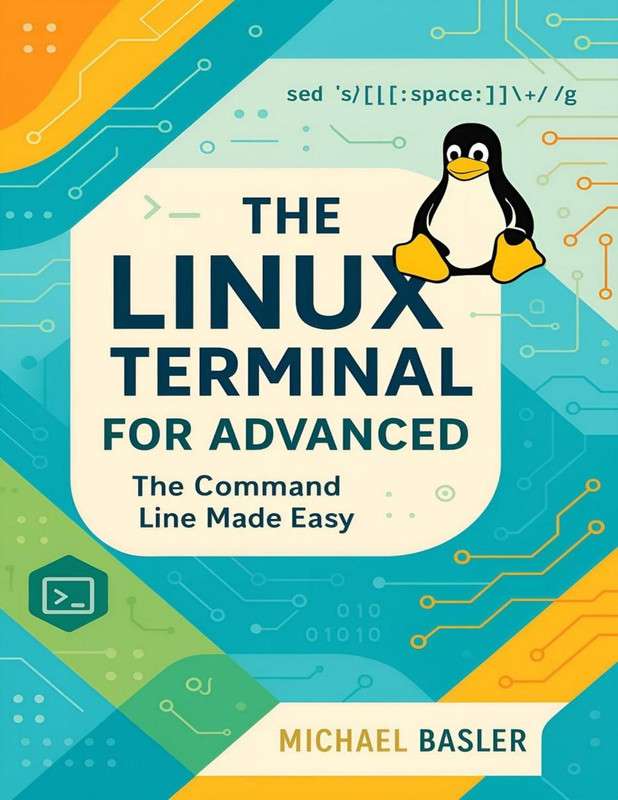
Linux Terminal Advanced Commands and Practical Usage Guide
Original price was: $49.99.$4.99Current price is: $4.99.
Master linux terminal advanced guide to use command-line tools efficiently and improve productivity for system management tasks.
Description
Linux Terminal Advanced Commands and Practical Usage Guide
Advanced Linux Terminal Commands are essential for system administrators, DevOps engineers, cybersecurity professionals, and Linux users who want to maximize productivity and efficiency in command-line environments. This comprehensive course teaches advanced Linux terminal techniques, powerful command-line tools, shell scripting fundamentals, process management, system monitoring, and automation practices. Whether you are managing servers, troubleshooting systems, or enhancing your Linux expertise, this course provides practical, real-world skills that can immediately improve your workflow.
Why Learn Advanced Linux Terminal Commands?
The Linux terminal remains one of the most powerful tools available to IT professionals. Therefore, mastering advanced command-line operations allows you to complete tasks faster, automate repetitive processes, and manage systems more effectively. Additionally, many enterprise environments rely heavily on Linux servers, making terminal proficiency a highly valuable skill.
Throughout this course, you will learn how to combine commands, automate workflows, and troubleshoot complex issues using the Linux command line. Moreover, you will discover techniques that experienced administrators use daily to manage large-scale systems. As a result, you will gain confidence in handling professional Linux environments.
What You Will Learn
- Master advanced Linux command-line operations.
- Navigate and manage files efficiently.
- Use pipes, filters, and command chaining effectively.
- Create and execute shell scripts for automation.
- Monitor system resources and processes.
- Manage users, permissions, and ownership settings.
- Troubleshoot Linux system issues quickly.
- Work with logs and system diagnostics.
- Automate administrative tasks using Bash scripting.
- Improve productivity with advanced terminal techniques.
Course Modules
Advanced File and Directory Management
First, you will explore powerful file management commands and learn efficient ways to navigate Linux systems. Additionally, you will discover advanced search, filtering, and file manipulation techniques.
Command Chaining and Data Processing
Next, you will learn how to combine commands using pipes, redirection, and filters. Furthermore, you will use tools such as grep, awk, sed, sort, and cut to process large amounts of data efficiently.
Process and Resource Management
After that, the course covers process monitoring and performance management. Consequently, you will gain practical experience using tools like top, htop, ps, kill, nice, and system monitoring utilities.
User Administration and Permissions
Moreover, you will learn how to manage user accounts, groups, permissions, and ownership settings. Therefore, you will be able to maintain secure and organized Linux environments.
Bash Scripting and Automation
In addition, you will create scripts that automate routine administrative tasks. As a result, you can improve efficiency and reduce manual effort across multiple systems.
System Logs and Troubleshooting
Furthermore, you will learn how to analyze logs, diagnose issues, and troubleshoot Linux systems effectively. Consequently, you will be better prepared to resolve problems in production environments.
Advanced Networking Commands
Finally, you will explore terminal-based networking tools for connectivity testing, traffic analysis, and remote system management. Therefore, you will strengthen your overall Linux administration skills.
Key Commands and Tools Covered
- grep, awk, and sed
- find and locate
- xargs and tee
- tar, gzip, and rsync
- top, htop, and ps
- cron and scheduled tasks
- chmod, chown, and usermod
- curl and wget
- netstat, ss, and ip commands
- Bash scripting techniques
Who Should Take This Course?
- Linux System Administrators
- DevOps Engineers
- Cloud Engineers
- Cybersecurity Professionals
- Network Administrators
- IT Support Specialists
- Developers working with Linux environments
Benefits of Mastering the Linux Terminal
Advanced terminal skills help professionals work faster and more efficiently. Therefore, organizations highly value individuals who can automate processes and manage Linux systems effectively. Additionally, command-line expertise often leads to better troubleshooting capabilities and improved system reliability.
Furthermore, Linux remains the dominant operating system for servers, cloud platforms, and containerized environments. As a result, strong terminal skills can significantly enhance career opportunities in system administration, cloud computing, cybersecurity, and DevOps.
Explore These Valuable Resources
Explore Related Courses
- Linux Training Courses
- System Administration Courses
- DevOps Training
- Cybersecurity Courses
- Cloud Computing Training
Conclusion
Linux Terminal Advanced Commands and Practical Usage Guide delivers the knowledge and hands-on experience needed to master the Linux command line. Throughout the course, you will learn advanced commands, automation techniques, scripting strategies, and troubleshooting methods that professionals use daily. As a result, you will be able to manage Linux systems more effectively, automate repetitive tasks, and increase your value as an IT professional in modern technology environments.
“`
Additional information
| Authors | Rowena Bongcaron & Michael Basler |
|---|---|
| Published On | 2026-03-27 |
| Language | English |
| File Format | |
| File Size | 2.73 MB |
| Rating | ⭐️⭐️⭐️⭐️⭐️ 4.27 |
Only logged in customers who have purchased this product may leave a review.
Recommended Courses and Materials
Master the Linux Command‑Line & Bash Scripting
Price: 5.00 USD | Size: 1.70 GB | Duration : 7.52 + HoursOriginal price was: $12.00.$5.00Current price is: $5.00.BRAND: Expert TRAINING | ENGLISH | INSTANT DOWNLOADLinux Command Line
Linux Command Line Size: 2.58 GB | Lessons: 20 | Duration: 9.12 Hours Sale Price: $10 | Regular Price: $45 ✅ Learn Linux CLI commands and scripting.Delivery: Instant Download | Access: Lifetime Access Language: English | Rating: 4.9/5
Original price was: $45.00.$10.00Current price is: $10.00.
Rating: 4.9/5
Original price was: $45.00.$10.00Current price is: $10.00.
LINUX Command-Line for Beginners
The Linux Command Line Training course is a beginner-friendly guide designed to help you master the fundamentals of working with the Linux terminal. Whether you are new to Linux or looking to enhance your command-line skills,
Original price was: $35.00.$0.00Current price is: $0.00.Linux for Sysadmins: Command Line Mastery for Effective Admin (2023)
Achieve command line mastery for effective system administration with this practical Linux guide. Original price was: $49.00.$5.99Current price is: $5.99.Linux Pocket Guide Daniel J. Barrett;
A quick reference Linux command guide for developers, sysadmins, and users to improve productivity and efficiency. Original price was: $49.99.$4.99Current price is: $4.99.Linux Visual Guide
Linux visual learning course helps beginners understand commands, systems, and administration using diagrams and screenshots. Original price was: $49.99.$4.99Current price is: $4.99.Linux Command Line Course
Price: 10.00 USD | Size: 8.44 GB | Duration : 9.41 Hours | 21 Video Lessons | Bonus : Linux PDF Guides
BRAND:

ENGLISH | INSTANT DOWNLOAD | ⭐️⭐️⭐️⭐️⭐️ 4.9
Original price was: $29.00.$10.00Current price is: $10.00.Offensive Bash Scripting Learning Course
Price: 10.00 USD | Size: 8.32 GB | Duration : 5.49 Hours | 43 VideoLessons |
BRAND:

ENGLISH | INSTANT DOWNLOAD |
Original price was: $35.00.$10.00Current price is: $10.00. 4.9
4.9Linux Administration Bootcamp (2025)
Become a Linux expert with this linux administration course 2025. Learn commands, server setup, and shell scripting with practical labs. Original price was: $39.00.$10.00Current price is: $10.00.Linux Essentials Course with Labs (2025 Hands-On Training)
Linux essentials hands-on labs course offers practical command-line training. Build a strong Linux foundation with real-world scenarios in 2025. Original price was: $25.00.$5.00Current price is: $5.00.Linux Foundation Certified System Administrator (LFCS 2025)
Linux system administrator LFCS course helps you prepare for certification with practical labs and expert content. Master Linux skills for 2025. Original price was: $39.00.$8.00Current price is: $8.00.Linux Visual Guide: Step-By-Step Manual for Complete Beginners to Mastering Linux Basics,
Learn Linux from scratch with a visual guide. Master shell, Vim, file management, and remote server operations for real-world use. Original price was: $49.99.$14.99Current price is: $14.99.Linux Command Line and Shell Scripting Bible
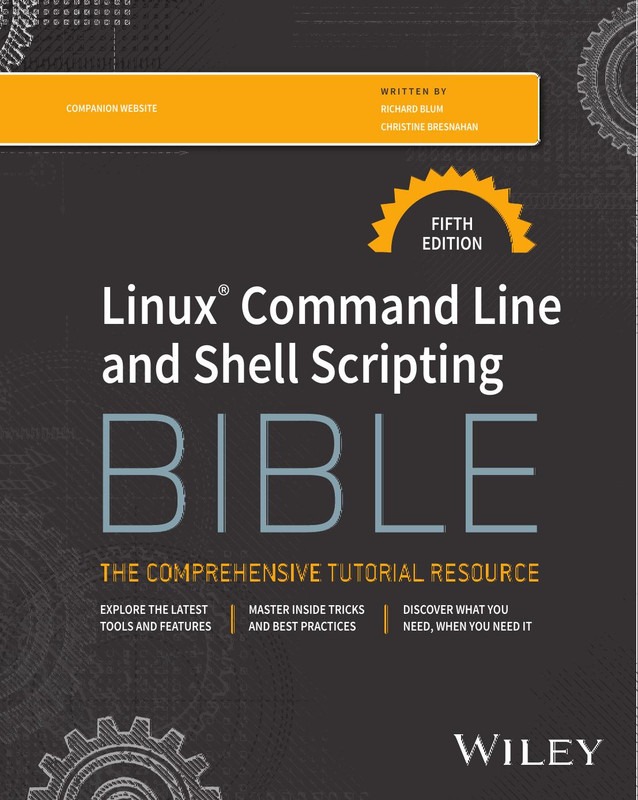
Master Linux command line and shell scripting to automate tasks, manage systems, and improve productivity for administrators and developers. Original price was: $49.99.$4.99Current price is: $4.99.Linux Fundamentals, 3rd Edition (2025)
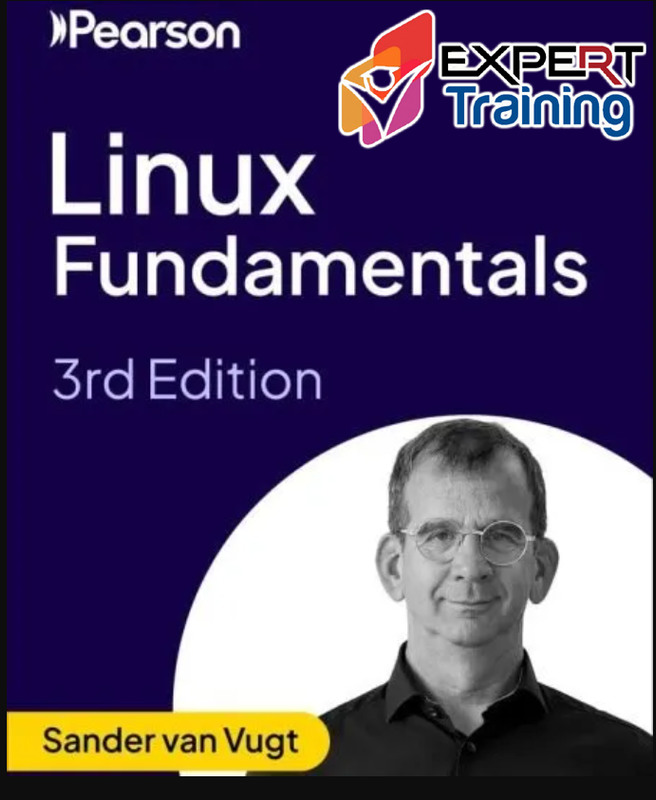
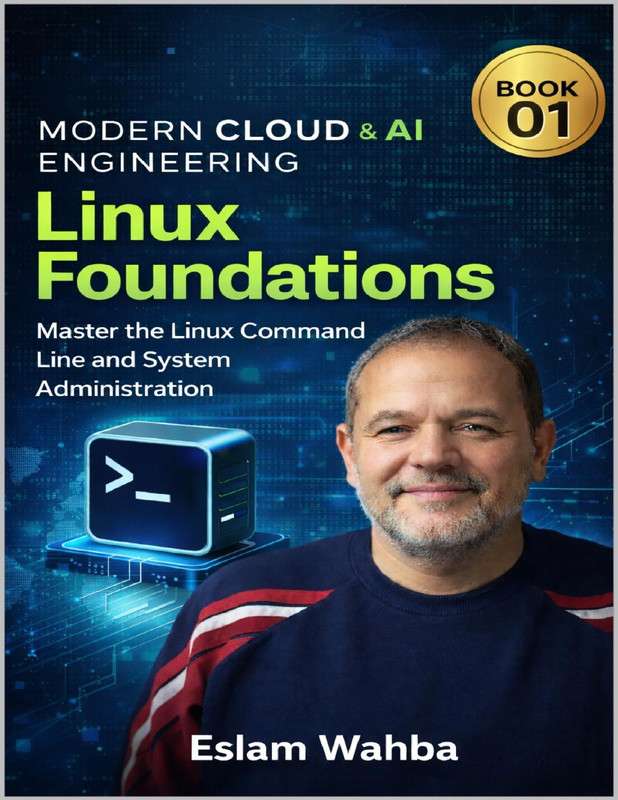
Gain essential Linux skills with this Linux fundamentals guide. Learn commands, file systems, and administration in this updated third edition. Original price was: $39.00.$12.00Current price is: $12.00.Linux Foundations Command Line and System Administration Mastery
Build Linux Command Line Mastery through practical administration skills, automation techniques, and essential cloud engineering knowledge. Original price was: $49.99.$4.99Current price is: $4.99.Linux Command Line Skills for Beginners Guide
Build Linux command line skills with practical lessons covering navigation, administration, and system management. Original price was: $49.99.$4.99Current price is: $4.99.











Reviews
There are no reviews yet.