No products in the cart.
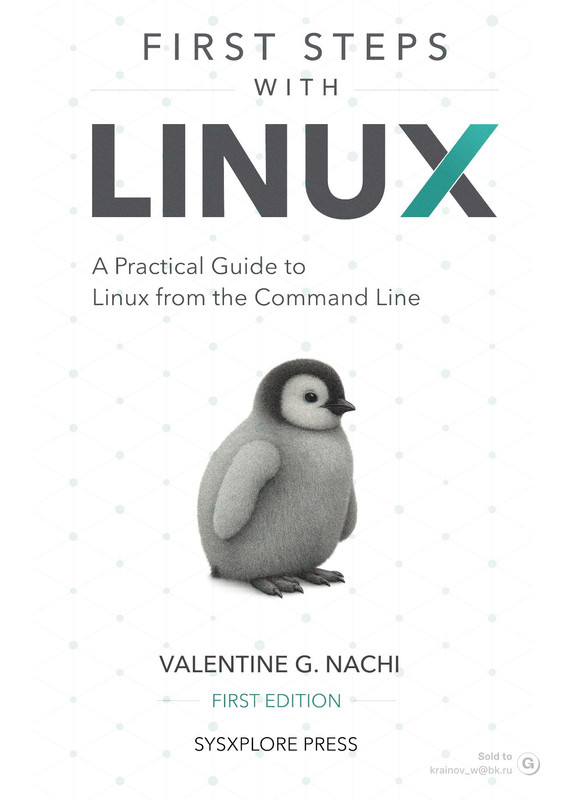
Linux Command Line Skills for Beginners Guide
Original price was: $49.99.$4.99Current price is: $4.99.
Build Linux command line skills with practical lessons covering navigation, administration, and system management.
Description
Linux Command Line Skills for Beginners Guide
Linux Command Line Fundamentals provide the essential skills needed to navigate, manage, and control Linux systems efficiently. This beginner-friendly course introduces you to the powerful Linux command line environment, helping you build practical skills that are highly valued in system administration, cybersecurity, cloud computing, DevOps, and software development. Whether you are completely new to Linux or looking to strengthen your technical foundation, this course offers a structured path to mastering command-line operations.
Why Learn Linux Command Line Skills?
Linux powers a significant portion of servers, cloud platforms, and enterprise systems worldwide. Therefore, understanding how to work with the Linux command line is a valuable skill for IT professionals. Moreover, command-line proficiency allows users to perform tasks more efficiently than graphical interfaces in many situations.
Throughout this course, you will learn how to navigate the Linux filesystem, manage files and directories, control permissions, automate tasks, and troubleshoot common issues. As a result, you will gain the confidence needed to work effectively in Linux environments.
What You Will Learn
- Understand Linux operating system fundamentals.
- Navigate directories using command-line tools.
- Create, copy, move, and delete files.
- Manage users and file permissions.
- Search and manipulate text files efficiently.
- Use command-line editors and utilities.
- Monitor system processes and resources.
- Automate tasks with shell commands.
- Work with archives and compressed files.
- Troubleshoot common Linux system issues.
Course Modules
Introduction to Linux and the Terminal
First, you will explore Linux fundamentals and understand the role of the command line. Additionally, you will learn how terminal environments work and why professionals rely on them.
File and Directory Management
Next, you will learn essential commands for navigating the filesystem. Furthermore, you will practice creating, organizing, moving, and deleting files and directories efficiently.
Working with Files and Text
After that, the course introduces powerful text-processing commands. Consequently, you will gain experience viewing, searching, filtering, and editing file contents.
User Accounts and Permissions
Moreover, you will learn how Linux security works through users, groups, and permissions. Therefore, you will understand how to protect files and control system access.
Process and System Management
In addition, you will monitor running processes, manage services, and analyze system resources. As a result, you will develop practical troubleshooting and administration skills.
Shell Productivity and Automation
Furthermore, you will discover how to combine commands and automate repetitive tasks. Consequently, you will improve efficiency and reduce manual work.
Essential Linux Administration Tasks
Finally, you will explore common administrative responsibilities such as managing software packages, checking logs, and maintaining system health. Therefore, you will be prepared for real-world Linux environments.
Key Linux Commands Covered
- ls, pwd, cd
- cp, mv, rm, mkdir
- cat, less, head, tail
- grep, find, locate
- chmod, chown, chgrp
- ps, top, kill
- tar, gzip, unzip
- df, du, free
- nano and vim basics
- Package management commands
Who Should Take This Course?
- Linux Beginners
- Aspiring System Administrators
- Cybersecurity Students
- Cloud Computing Professionals
- DevOps Beginners
- Software Developers
- IT Support Technicians
- Anyone interested in Linux administration
Benefits of Learning Linux Command Line
Linux command-line skills serve as the foundation for many technology careers. Therefore, mastering these skills can open opportunities in system administration, cloud engineering, cybersecurity, and software development. Furthermore, employers highly value professionals who can efficiently manage Linux systems.
Additionally, command-line expertise improves productivity because many administrative tasks can be completed faster through terminal commands. As a result, you will become more effective when working with Linux servers and enterprise environments.
Explore These Valuable Resources
Explore Related Courses
- Linux Training Courses
- System Administration Courses
- DevOps Training
- Cybersecurity Courses
- Cloud Computing Training
Conclusion
Linux Command Line Skills for Beginners Guide provides a practical introduction to one of the most important technologies in modern computing. Throughout the course, you will develop hands-on experience with essential Linux commands, file management, user administration, process monitoring, and automation techniques. As a result, you will build a strong foundation for advanced Linux studies and technology careers in cloud computing, cybersecurity, DevOps, and system administration.
“`
Additional information
| Authors | (Valentine G. Nachi) |
|---|---|
| Publisher | SYSEXPLORE PRESS |
| Published On | 21-03-26 |
| Language | English |
| File Format | |
| File Size | 36.72 MB |
| Rating | ⭐️⭐️⭐️⭐️⭐️ 4.60 |
Only logged in customers who have purchased this product may leave a review.
Recommended Courses and Materials
Master the Linux Command‑Line & Bash Scripting
Price: 5.00 USD | Size: 1.70 GB | Duration : 7.52 + HoursOriginal price was: $12.00.$5.00Current price is: $5.00.BRAND: Expert TRAINING | ENGLISH | INSTANT DOWNLOADC Programming with Linux Specialization
Price: 5.00 USD | Size: 1.00 GB | Duration : 7.18+ HoursOriginal price was: $12.00.$5.00Current price is: $5.00.BRAND: Expert TRAINING | ENGLISH | INSTANT DOWNLOADLinux Administration
Sale Price: 5, Regular Price: 19, Size: 3.35 GB, Duration: 8.28, Number of Video Lessons: 82, Brand: Expert Training, Language: English, Instant Download, ⭐️⭐️⭐️⭐️⭐️ 4.25 Original price was: $19.00.$5.00Current price is: $5.00.Everything Linux Online Video Course & PDF Guides
Size: 3.91 GB Sale Price: $5 Regular Price: $10 Categories: IT Certification, Technology & IT Brand: Expert TRAINING Language: English Delivery: Instant Download Rating: ⭐️⭐️⭐️⭐️⭐️ Original price was: $10.00.$5.00Current price is: $5.00.LPIC-2 Linux Engineer (202-450) Course 12+ Hours
Price: 15.00 USD | Size: 9.95 GB | Duration : 12.56 Hours | 45 Video Lessons
BRAND:

ENGLISH | INSTANT DOWNLOAD |
Original price was: $45.00.$15.00Current price is: $15.00. 4.9
4.9Red Hat Certified Engineer (RHCE) Exam EX294
Price: 15.00 USD | Size: 12.75 GB | Duration: 17.10+Hrs BRAND: | ENGLISH | INSTANT DOWNLOAD
Original price was: $40.00.$15.00Current price is: $15.00.
| ENGLISH | INSTANT DOWNLOAD
Original price was: $40.00.$15.00Current price is: $15.00.
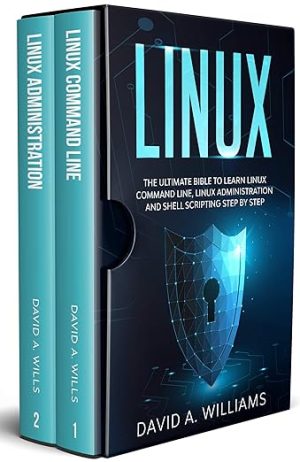
Linux: Ultimate Beginner’s Guide to Command Line & Admin
Learn Linux command line, administration, and shell scripting step-by-step with this ultimate beginner's guide, perfect for mastering Linux essentials and advanced techniques.
Original price was: $35.00.$2.99Current price is: $2.99.Becoming a Linux Power User
Becoming a Linux Power User Size: 2.58 GB | Lessons: 20 | Duration: 8.41 Hours Sale Price: $10 | Regular Price: $45 ✅ Advance your Linux command-line & scripting skills.Delivery: Instant Download | Access: Lifetime Access Language: English | Rating: 4.9/5
Original price was: $45.00.$10.00Current price is: $10.00.
Rating: 4.9/5
Original price was: $45.00.$10.00Current price is: $10.00.
Linux Command Line
Linux Command Line Size: 2.58 GB | Lessons: 20 | Duration: 9.12 Hours Sale Price: $10 | Regular Price: $45 ✅ Learn Linux CLI commands and scripting.Delivery: Instant Download | Access: Lifetime Access Language: English | Rating: 4.9/5
Original price was: $45.00.$10.00Current price is: $10.00.
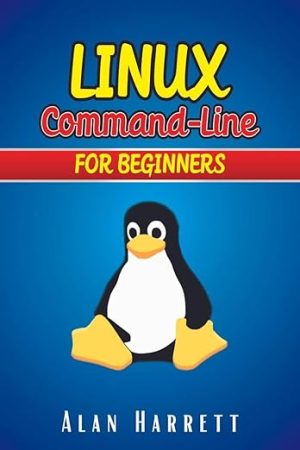
LINUX Command-Line for Beginners
The Linux Command Line Training course is a beginner-friendly guide designed to help you master the fundamentals of working with the Linux terminal. Whether you are new to Linux or looking to enhance your command-line skills,
Original price was: $35.00.$0.00Current price is: $0.00.The Linux Essentials
The Linux Essentials Size: 2.45 GB | Lessons: 37 | Duration: 8.38 Hours Sale Price: $10 | Regular Price: $45 ✅ Essential Linux training for system administrators.Delivery: Instant Download | Access: Lifetime Access Language: English | Rating: 4.9/5
Original price was: $45.00.$10.00Current price is: $10.00.
Linux for Sysadmins: Command Line Mastery for Effective Admin (2023)
Achieve command line mastery for effective system administration with this practical Linux guide. Original price was: $49.00.$5.99Current price is: $5.99.Linux Cookbook: Essential Skills for Linux Users and Administrators
Master Linux with this essential cookbook. Learn key skills for users and administrators in practical scenarios. Original price was: $49.99.$0.00Current price is: $0.00.Linux Command Line Course
Price: 10.00 USD | Size: 8.44 GB | Duration : 9.41 Hours | 21 Video Lessons | Bonus : Linux PDF Guides
BRAND:
ENGLISH | INSTANT DOWNLOAD | ⭐️⭐️⭐️⭐️⭐️ 4.9
Original price was: $29.00.$10.00Current price is: $10.00.Linux Fundamentals Learning Path Course
Price: 10.00 USD | Size: 9.02 GB | Duration : 13.33 Hours | 128 VideoLessons |
BRAND:

ENGLISH | INSTANT DOWNLOAD |
Original price was: $35.00.$10.00Current price is: $10.00.4.9Ultimate Linux Command Line Mastery
Price: 4.00 USD | Size: 1.90 GB | Duration : 3.45+ HoursOriginal price was: $10.00.$4.00Current price is: $4.00.BRAND: Expert TRAINING | ENGLISH | INSTANT DOWNLOAD














Reviews
There are no reviews yet.