
Description
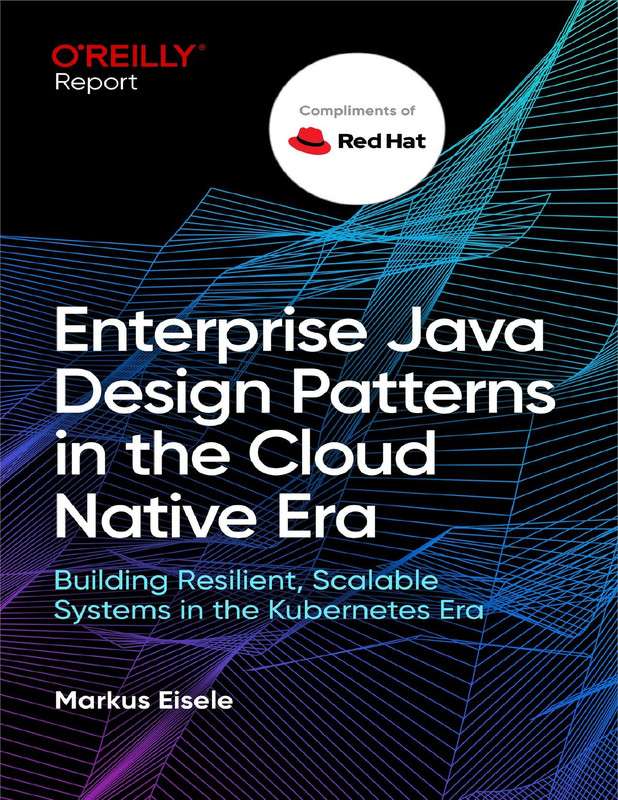
Enterprise Java Design Patterns Cloud Native Applications Guide
Enterprise Java Cloud Applications help developers build scalable, secure, and high-performance software systems for modern businesses. This comprehensive course teaches enterprise Java design patterns, cloud-native architecture principles, and practical development strategies for creating resilient applications. Moreover, the course combines software engineering best practices with real-world implementation techniques, enabling learners to design enterprise-grade cloud solutions confidently.
Why Learn Enterprise Java and Cloud-Native Development?
Modern organizations increasingly rely on cloud-native applications to improve scalability, reliability, and deployment speed. Therefore, developers who understand enterprise Java frameworks and architectural design patterns remain highly valuable in today’s technology industry.
Additionally, this course explains how developers can create modular, maintainable, and efficient applications using proven enterprise design methodologies. Learners will also discover how cloud technologies simplify infrastructure management while improving application performance.
What You Will Learn
- Understand enterprise Java architecture fundamentals
- Master essential software design patterns
- Build cloud-native Java applications
- Develop scalable microservices architectures
- Implement RESTful APIs and distributed systems
- Use Spring Boot and enterprise Java frameworks
- Deploy applications using containers and cloud platforms
- Improve application security and performance
- Manage enterprise data persistence effectively
- Design fault-tolerant and resilient systems
Key Enterprise Design Patterns Covered
This course introduces several widely used enterprise software design patterns. Furthermore, each pattern includes practical examples and implementation guidance to help learners apply concepts effectively in production environments.
- Singleton Pattern
- Factory Pattern
- Dependency Injection Pattern
- MVC Architecture Pattern
- Repository Pattern
- Service Layer Pattern
- Observer Pattern
- Builder Pattern
- Microservices Communication Patterns
- Circuit Breaker Pattern
Cloud-Native Development Concepts
Cloud-native applications require modern development practices and scalable infrastructure strategies. Consequently, this course focuses on technologies and methodologies that improve application flexibility and operational efficiency.
- Containerized application development
- Kubernetes orchestration basics
- Docker deployment workflows
- Continuous Integration and Continuous Deployment (CI/CD)
- Cloud infrastructure management
- API gateway integration
- Service discovery techniques
- Monitoring and logging solutions
Hands-On Practical Experience
The course emphasizes practical implementation and real-world development scenarios. In addition, learners will build enterprise applications step by step using modern Java technologies and cloud deployment practices.
Students will also work on practical projects that simulate enterprise business environments. Therefore, learners gain valuable experience designing distributed systems, handling scalability challenges, and implementing secure application architectures.
Tools and Technologies Included
- Java Enterprise Edition (Java EE)
- Spring Boot Framework
- Spring Cloud
- Hibernate ORM
- Docker Containers
- Kubernetes
- REST API Development
- Apache Maven
- Git Version Control
- Cloud Deployment Platforms
Who Should Take This Course?
- Java developers expanding cloud-native skills
- Software engineers building enterprise systems
- Backend developers learning microservices architecture
- IT professionals modernizing enterprise applications
- Students pursuing advanced Java development careers
- Developers preparing for enterprise software projects
Career Opportunities
Enterprise Java and cloud-native development skills remain highly demanded across industries. As businesses migrate applications to cloud environments, organizations actively seek professionals who can design scalable and reliable systems.
Furthermore, learners who master enterprise Java design patterns and cloud-native technologies can pursue roles such as:
- Enterprise Java Developer
- Cloud Application Developer
- Backend Software Engineer
- Microservices Architect
- DevOps Engineer
- Cloud Solutions Engineer
- Software Architect
Explore These Valuable Resources
Explore Related Courses
- Java Programming Courses
- Cloud Computing Training
- Software Development Courses
- DevOps Certification Programs
- Microservices Architecture Courses
Conclusion
Enterprise Java and cloud-native technologies continue to shape the future of software development. Therefore, developers who understand scalable architecture patterns and modern deployment strategies can build high-quality enterprise applications efficiently. This course provides practical skills, architectural knowledge, and real-world implementation techniques necessary for success in enterprise software engineering. Whether you want to modernize legacy systems or create advanced cloud-native applications, this training delivers a complete learning path for mastering enterprise Java development.





Reviews
There are no reviews yet.