No products in the cart.
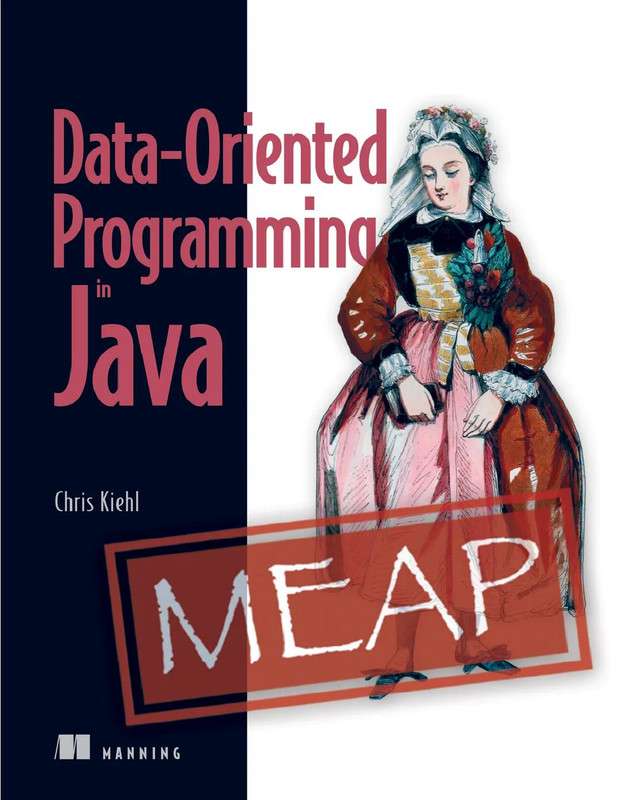
Data Oriented Programming in Java Complete Developer Guide
Original price was: $49.99.$4.99Current price is: $4.99.
Learn data oriented programming java to build efficient, scalable applications using modern programming techniques and Java frameworks.
Description
Data Oriented Programming Java Guide
Data Oriented Programming Java Guide helps developers build scalable, maintainable, and high-performance Java applications using modern data-oriented design principles. This comprehensive course explains how developers can organize data structures efficiently, reduce unnecessary complexity, and improve application performance through practical Java programming techniques. Moreover, the course combines software architecture concepts with hands-on coding projects, allowing learners to apply advanced programming patterns in real-world development environments.
Why Learn Data Oriented Programming in Java?
Traditional object-oriented programming often creates deeply nested structures and unnecessary abstraction layers. However, Data Oriented Programming (DOP) focuses on organizing data for performance, clarity, and maintainability. Therefore, developers can build applications that execute faster, consume fewer resources, and remain easier to debug.
Additionally, modern enterprise systems increasingly require optimized data processing solutions. Consequently, companies actively seek developers who understand efficient memory management, cache-friendly programming, and scalable backend architecture.
What You Will Learn
- Understand the foundations of Data Oriented Programming
- Learn modern Java data structure optimization techniques
- Design cache-efficient applications using Java
- Improve memory usage and execution performance
- Build scalable backend systems with clean architecture
- Work with immutable data structures and records
- Apply functional programming concepts in Java
- Create maintainable enterprise-level Java applications
- Optimize collections, arrays, and object management
- Develop high-performance data processing systems
Course Features
This course delivers a balanced combination of theory and practical implementation. Furthermore, every module includes coding demonstrations and performance-focused exercises that help learners understand how efficient data organization improves software quality.
In addition, the course explores modern Java capabilities such as records, streams, functional interfaces, concurrency utilities, and memory-efficient application design. Learners will also study how data-oriented principles improve large-scale systems used in finance, cloud computing, gaming, and enterprise software development.
Who Should Take This Course?
- Java developers seeking advanced architecture skills
- Backend engineers building scalable systems
- Software engineers interested in performance optimization
- Students learning modern Java programming techniques
- Developers transitioning from traditional OOP approaches
- Professionals preparing for enterprise Java development roles
Practical Applications Covered
Data Oriented Programming offers significant benefits across multiple software domains. Therefore, this course demonstrates practical applications in real-world scenarios:
- Enterprise backend development
- Financial transaction processing systems
- Real-time analytics applications
- Game engine architecture optimization
- Cloud-native microservices development
- High-performance API services
- Distributed systems and concurrent processing
- Large-scale database interaction systems
Tools and Technologies Included
Throughout the course, learners will gain hands-on experience with modern Java development tools and technologies. Moreover, the training introduces practical workflows used by professional software engineering teams.
- Java 17 and Modern Java Features
- Java Streams API
- Java Records
- Collections Framework
- Concurrent Programming Utilities
- Maven and Gradle
- JUnit Testing Framework
- IntelliJ IDEA Development Environment
Advantages of Data Oriented Programming
Data-oriented design improves both application performance and developer productivity. As a result, developers can create systems that scale efficiently under heavy workloads. Furthermore, DOP simplifies debugging and testing because data flows remain more predictable and organized.
Additionally, companies increasingly adopt performance-oriented architectures for cloud services, AI systems, and large-scale enterprise platforms. Therefore, developers with DOP expertise gain strong career advantages in modern software engineering environments.
Career Opportunities
After completing this course, learners can pursue various software development and backend engineering roles. Moreover, Data Oriented Programming knowledge strengthens technical interview preparation for advanced Java positions.
- Senior Java Developer
- Backend Software Engineer
- Performance Optimization Engineer
- Enterprise Application Developer
- Cloud Solutions Developer
- Systems Architecture Engineer
Explore These Valuable Resources
Explore Related Courses
- Java Programming Courses
- Software Development Training
- Backend Development Courses
- System Design Programs
- Programming Certification Courses
Conclusion
Data Oriented Programming continues to reshape modern software architecture by prioritizing performance, simplicity, and scalability. Consequently, developers who master these techniques can build faster and more reliable Java applications for enterprise and cloud environments. This course provides practical skills, modern Java expertise, and real-world development knowledge that help learners succeed in advanced software engineering careers.
Additional information
| Authors | Chris Kiehl |
|---|---|
| Publisher | MANNING |
| Published On | 2026-01-08 |
| Language | English |
| File Format | |
| File Size | 19.35 MB |
| Rating | ⭐️⭐️⭐️⭐️⭐️ 4.73 |
Only logged in customers who have purchased this product may leave a review.
Recommended Courses and Materials
Java Best Practices for Efficient, Scalable, and Secure Code 2024
Price: 12.00 USD | Size: 16.39 GB | Duration: 32.40+ Hrs BRAND: Expert TRAINING | ENGLISH | INSTANT DOWNLOAD Original price was: $32.00.$12.00Current price is: $12.00.Java 17 for Absolute Beginners
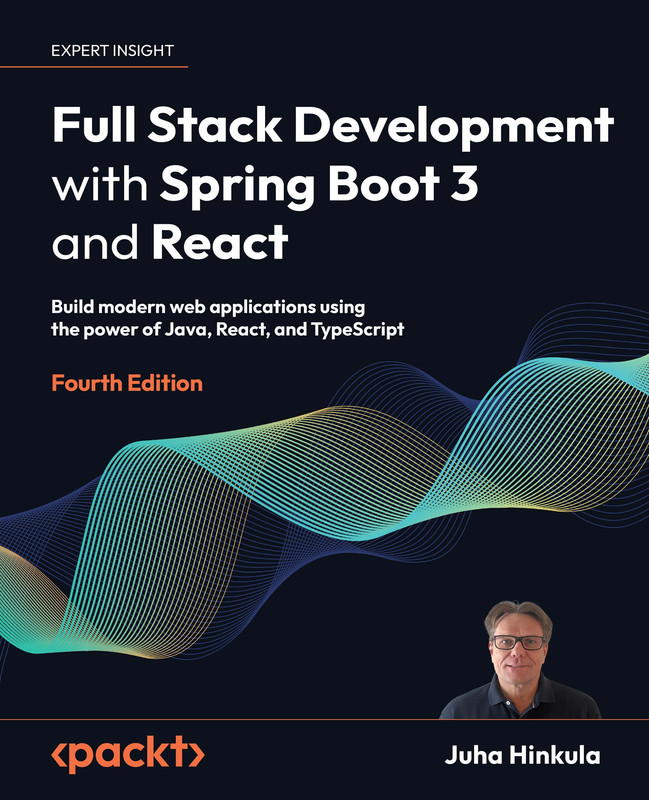
Original price was: $35.00.$0.00Current price is: $0.00.Full Stack Development with Spring Boot 3 & React (2023)
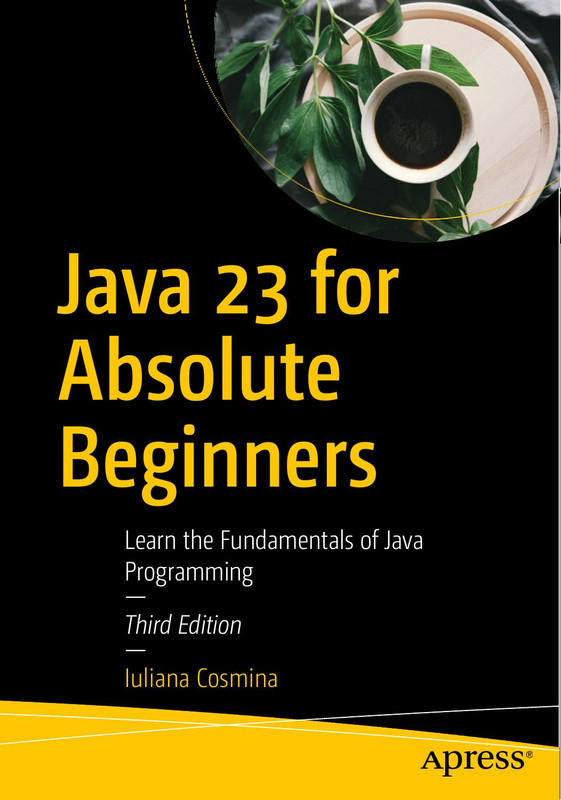
Learn full stack development with Spring Boot 3 and React in this practical guide for building modern web applications. Original price was: $49.00.$4.99Current price is: $4.99.Java 23 for Absolute Beginners: Fundamentals of Java Programming (2025)
Authors : Iuliana Cosmina Publisher : Etech Books Published On : 2024-12 Language : English Identifiers : ISBN : Format : pdf Size (MB) : 28.75 MB Original price was: $40.00.$4.00Current price is: $4.00.Java Programming All-in-One: Comprehensive Coding Guide
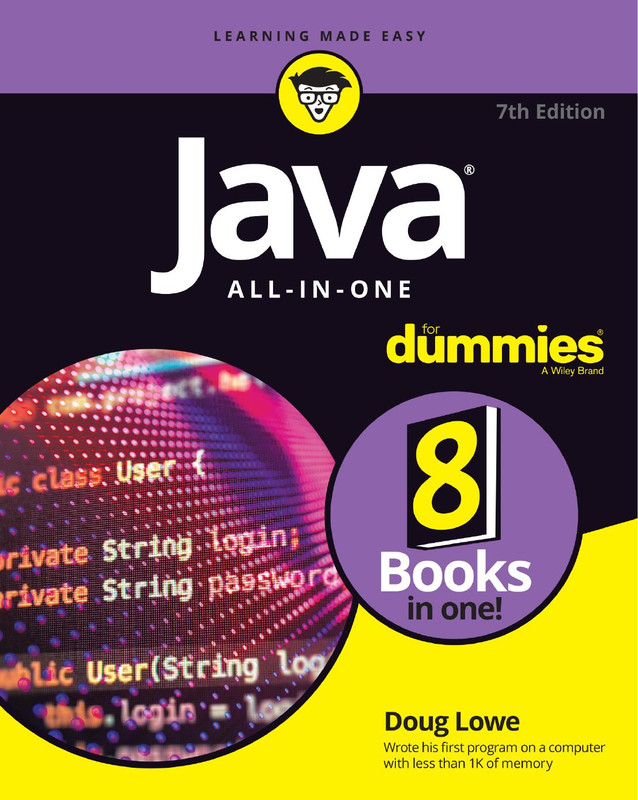
Learn Java programming from basics to advanced applications in this 7th edition. Original price was: $34.99.$3.50Current price is: $3.50.Create Advanced Modern User Interface In JavaFX
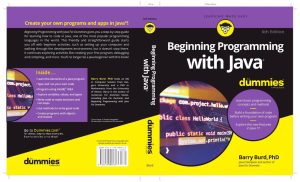
Price: 5.00 USD | Size: 2.30 GB | Duration : 3.35+ HoursOriginal price was: $12.00.$5.00Current price is: $5.00.BRAND: Expert TRAINING | ENGLISH | INSTANT DOWNLOADBeginning Programming & Java for Dummies: 2021 Edition
Start programming with Java using this beginner-friendly guide to coding fundamentals. Original price was: $34.99.$3.50Current price is: $3.50.The Complete JAVA Training – 2024 Course
Price: 15.00 USD | Size: 17.0 GB |Duration : 30.52 Hours | 150 Video Lessons
BRAND: Expert TRAINING | ENGLISH | INSTANT DOWNLOAD |
Original price was: $48.00.$15.00Current price is: $15.00. 4.9
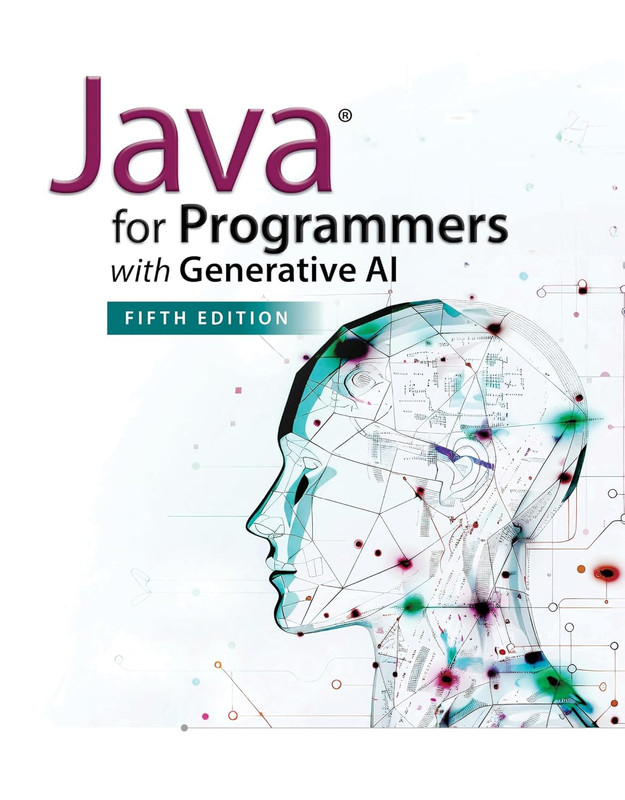
4.9Java for Programmers with Generative AI, Fifth Edition
Learn java generative ai guide for next-gen coding. Build intelligent applications using AI-assisted Java programming techniques. Original price was: $49.99.$4.99Current price is: $4.99.Coding Academy, 2025
Year: 2025 Publisher: Market Force Language: English File: PDF, 45.44 MB Original price was: $49.99.$4.99Current price is: $4.99.Oracle Java SE 11 Developer Certification Training 2025
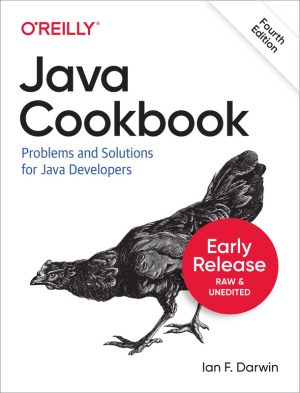
Master java se 11 certification with oracle java developer training covering core Java skills, OOP concepts, and exam-focused preparation for developers. Original price was: $29.00.$10.00Current price is: $10.00.Problems and Solutions for Java Developers Early Release
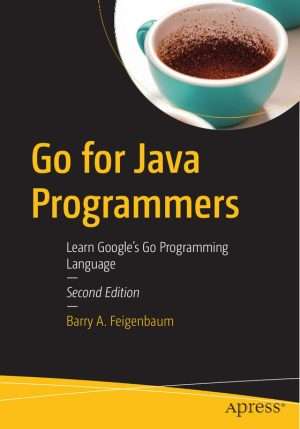
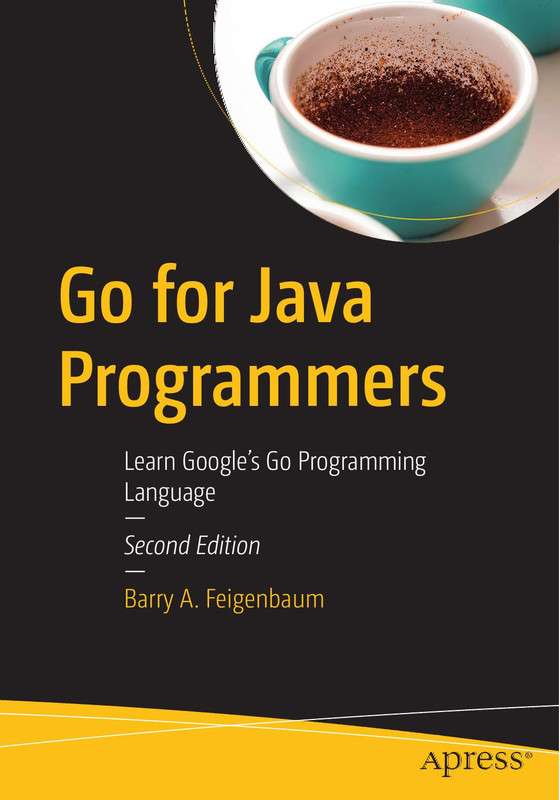
Solve common Java development challenges with expert solutions. Improve coding skills and debugging techniques. Original price was: $35.00.$2.99Current price is: $2.99.Go Programming for Java Developers Complete Guide
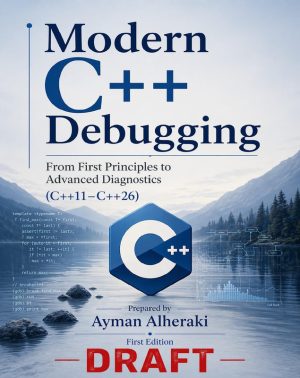
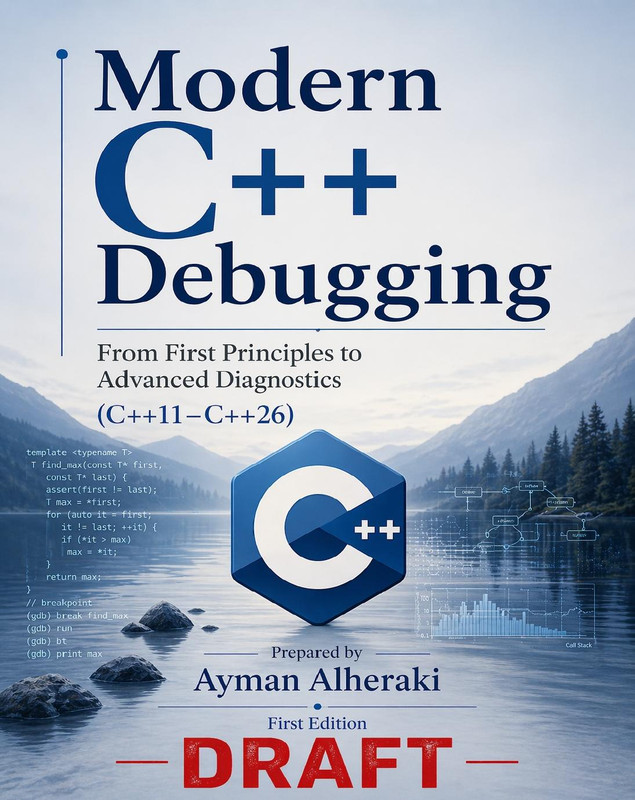
Learn go programming java developers to transition from Java and build high-performance applications using Go language. Original price was: $49.99.$4.99Current price is: $4.99.Modern C++ Debugging Techniques and Diagnostics Mastery
Master modern C plus debugging techniques and advanced diagnostics for identifying, analyzing, and resolving software issues. Original price was: $49.99.$4.99Current price is: $4.99.Learn Python Programming: Beginner to Advanced
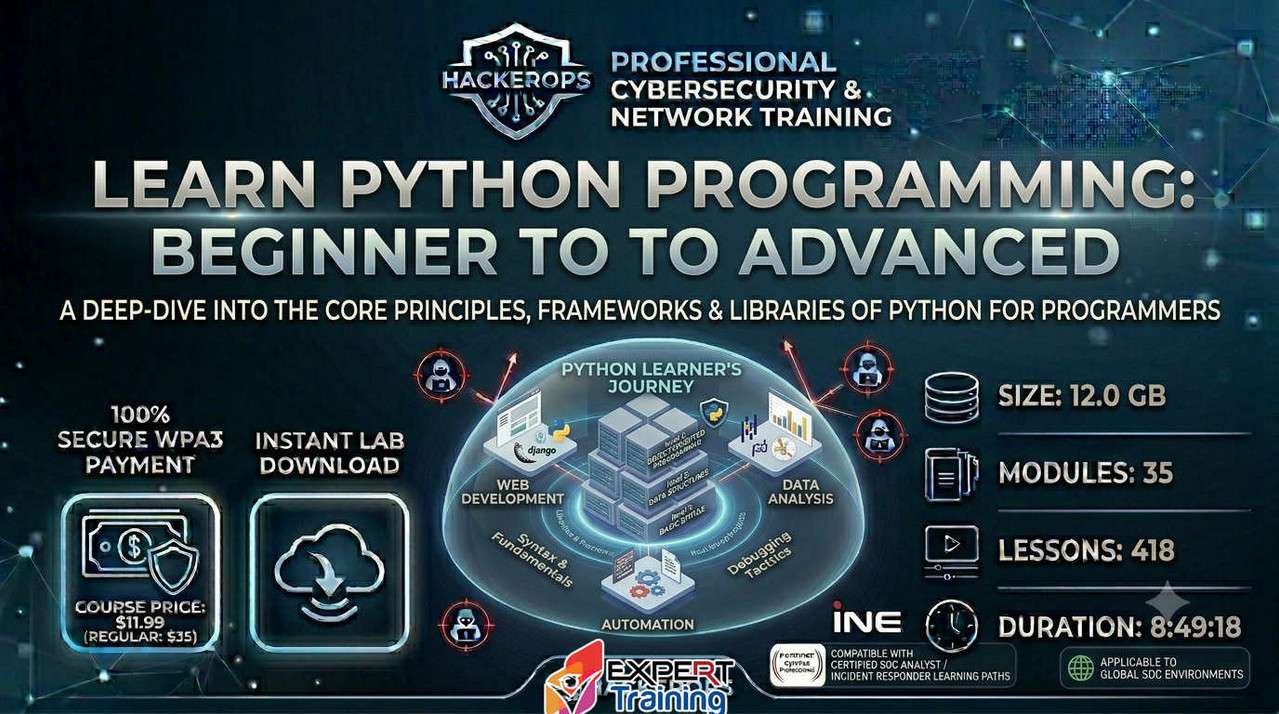
Master coding with Learn Python Programming Course lessons covering fundamentals, automation, data analysis, and advanced development. Original price was: $35.00.$11.99Current price is: $11.99.Object-Oriented Programming Complete Concepts, Design, and Implementation
Master Object oriented programming concepts including classes, inheritance, encapsulation, and polymorphism through practical coding examples. Original price was: $49.99.$4.99Current price is: $4.99.











Reviews
There are no reviews yet.