No products in the cart.

Using Generative AI in Historical Research and Practice
Original price was: $49.99.$4.99Current price is: $4.99.
Discover Generative AI Historical Research methods to analyze historical data, improve research workflows, and gain deeper insights efficiently.
Description
`
Using Generative AI in Historical Research and Practice
Generative AI Historical Research provides a comprehensive introduction to the innovative ways artificial intelligence is transforming historical studies, archival exploration, and scholarly research. This course demonstrates how historians, researchers, educators, and digital humanities professionals can leverage generative AI tools to analyze historical sources, identify patterns, summarize large collections of documents, and generate new insights. Moreover, learners discover how AI can support both academic research and public history projects while maintaining rigorous scholarly standards.
As digital archives continue to expand, researchers face increasing challenges when processing vast amounts of historical information. Therefore, this course teaches practical methods for integrating AI technologies into historical workflows. Additionally, participants learn how to evaluate AI-generated outputs critically, ensuring accuracy, transparency, and ethical use throughout the research process.
Course Overview
This course explores the intersection of artificial intelligence and historical scholarship. First, learners examine the foundations of generative AI and its growing role in academic research. Next, they investigate practical applications for historical analysis, including document summarization, transcription enhancement, metadata generation, and thematic exploration.
Furthermore, the training demonstrates how AI can assist with interpreting historical texts, organizing archival materials, and uncovering connections across large datasets. As a result, participants develop efficient research workflows that save time while supporting deeper historical inquiry. Throughout the course, real-world examples illustrate both the opportunities and limitations of AI-assisted historical research.
What You Will Learn
- Understand the fundamentals of generative AI technologies
- Apply AI tools to historical research projects
- Analyze and summarize historical documents efficiently
- Improve archival research through AI-assisted workflows
- Generate metadata for digital collections and archives
- Identify patterns and themes within historical datasets
- Evaluate AI-generated content for historical accuracy
- Address ethical considerations in AI-assisted scholarship
- Integrate AI into digital humanities projects
- Develop responsible research methodologies using AI
Who Should Enroll?
This course is ideal for historians, researchers, archivists, librarians, educators, graduate students, digital humanities professionals, museum specialists, and anyone interested in applying artificial intelligence to historical studies. In addition, academic researchers seeking innovative approaches to data analysis will find valuable techniques and practical insights.
Key Benefits
- Accelerate historical research processes
- Enhance analysis of large archival collections
- Improve productivity through AI-assisted workflows
- Discover emerging tools in digital humanities
- Strengthen critical evaluation of AI outputs
- Develop future-ready research skills
Explore These Valuable Resources.
- Alliance of Digital Humanities Organizations
- Library of Congress Digital Collections
- Internet Archive Historical Resources
Explore Related Courses
- Explore Related Courses – Artificial Intelligence
- Explore Related Courses – Generative AI
- Explore Related Courses – Digital Humanities
- Explore Related Courses – Research Methods
- Explore Related Courses – Data Analysis
Career and Academic Applications
After completing this course, learners will be equipped to incorporate AI technologies into academic research, archival management, museum projects, educational initiatives, and digital humanities programs. Consequently, they can improve research efficiency while maintaining high standards of historical accuracy and scholarly integrity.
Ultimately, this course empowers participants to embrace emerging technologies while preserving the critical thinking and analytical skills that define historical scholarship. Therefore, it serves as an essential guide for anyone seeking to explore the future of history in the age of artificial intelligence.
“`
Additional information
| Authors | Unknown |
|---|---|
| Publisher | Cambridge Elements |
| Published On | 17-05-26 |
| Language | English |
| File Format | |
| File Size | 6.10 MB |
| Rating | ⭐️⭐️⭐️⭐️⭐️ 4.106 |
Only logged in customers who have purchased this product may leave a review.
Recommended Courses and Materials
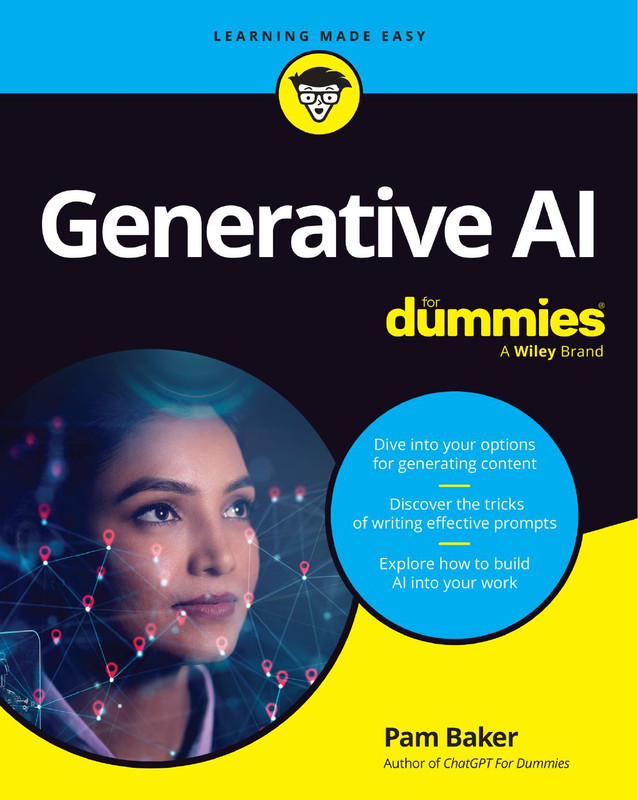
Generative AI For Dummies®
Understand the fundamentals of generative AI and how to apply it effectively with this accessible guide. Original price was: $49.99.$3.99Current price is: $3.99.Data Science First Using Language Models in AI Applications
Master data science language models to build AI-powered applications, analyze data efficiently, and leverage modern machine learning techniques effectively. Original price was: $49.99.$4.99Current price is: $4.99.AI Industry Use Cases and Innovations Complete Guide
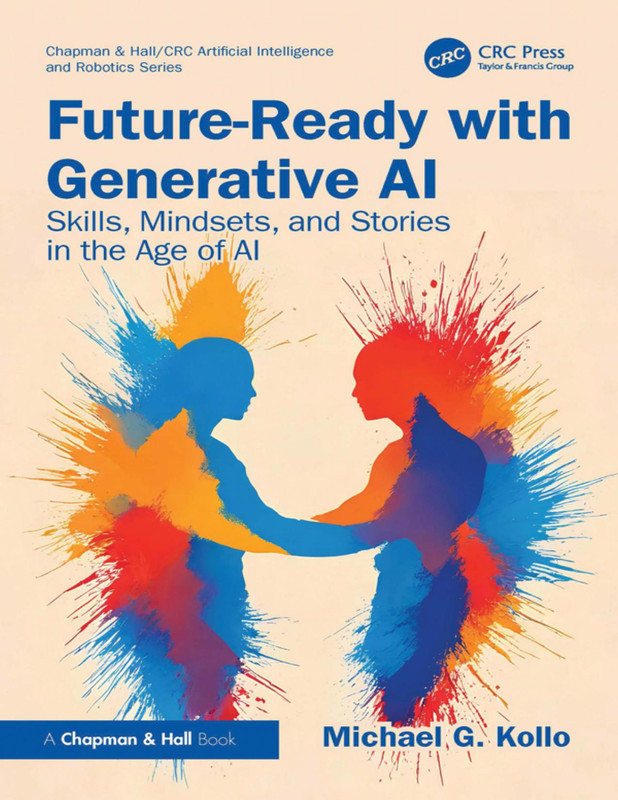
Discover ai industry use cases to understand real-world AI applications and innovations transforming industries and business operations. Original price was: $49.99.$4.99Current price is: $4.99.Future Ready Skills with Generative AI Complete Guide
Learn generative ai future skills and build advanced AI knowledge to stay competitive with practical use cases and industry-ready tools. Original price was: $49.99.$4.99Current price is: $4.99.- Experimental Design for Data Science and Engineering Practical Guide to Pinterest (opens in a new window)Chapman and Hall/CRC
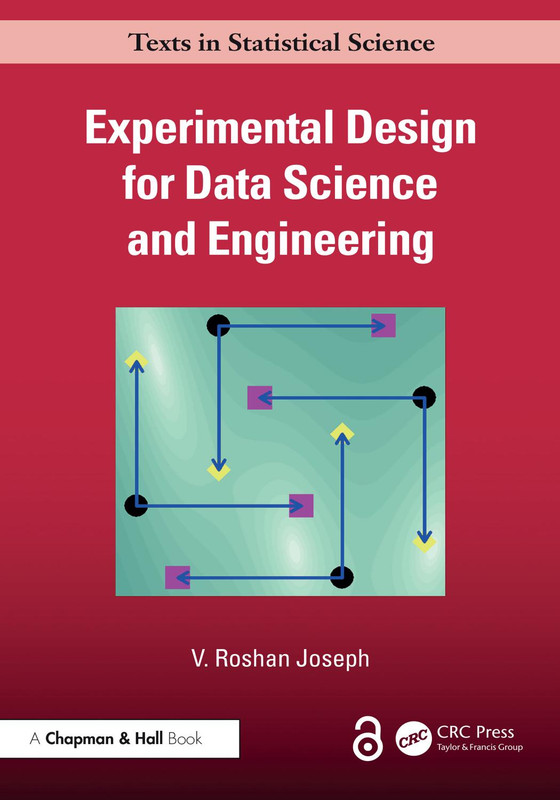 Quick View
Experimental Design for Data Science and Engineering Practical Guide
Experimental design data science course teaches statistical methods, experiment planning, and data-driven decision making effectively. Original price was: $49.99.$4.99Current price is: $4.99. - Generative AI Fundamentals Applications and Future Innovations Guide to Pinterest (opens in a new window)CRC Press (Unlimited)
 Quick View
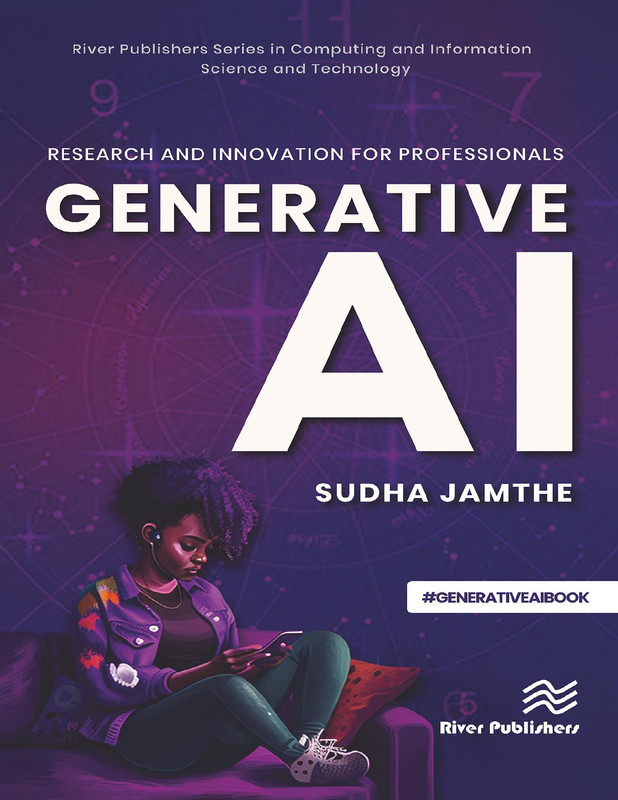
Generative AI Fundamentals Applications and Future Innovations Guide
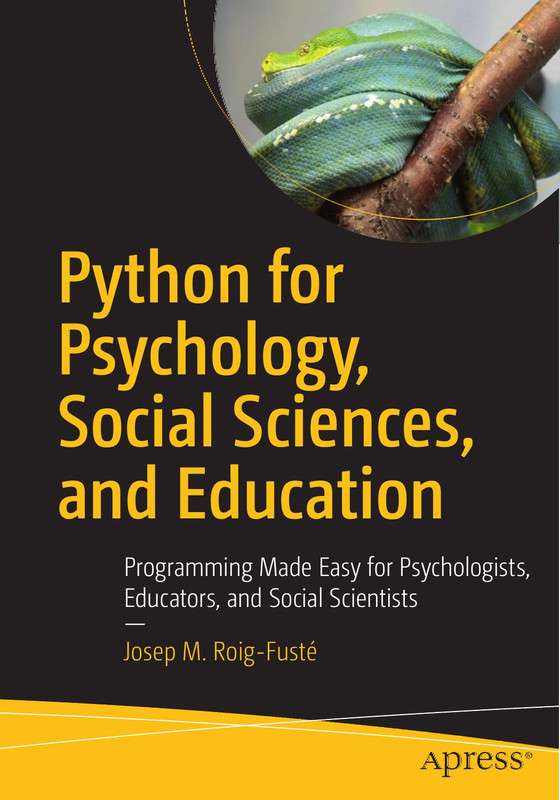
Learn generative ai fundamentals guide covering applications, tools, and future trends to stay ahead in artificial intelligence innovation. Original price was: $49.99.$4.99Current price is: $4.99. Python for Psychology Social Sciences and Education Research
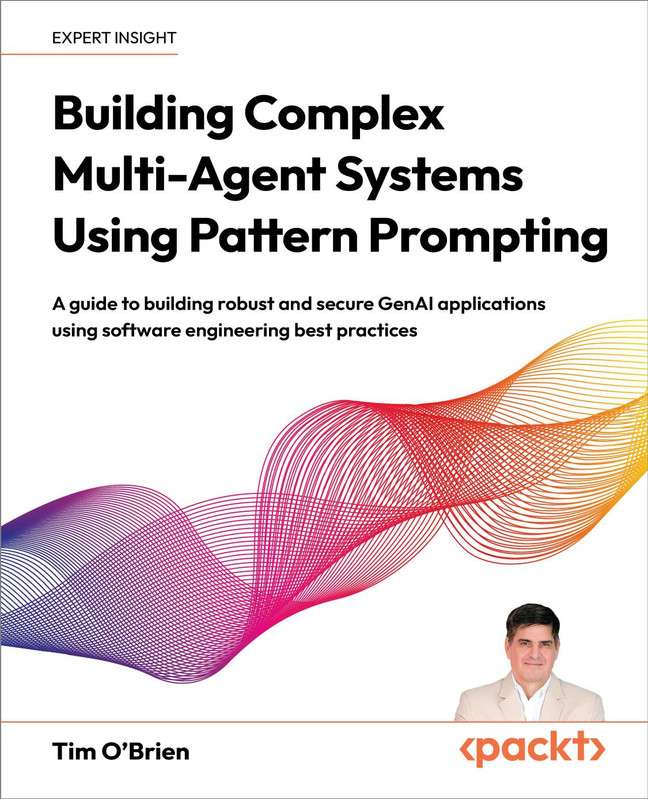
Learn Python Psychology Research Methods for data analysis, educational studies, scientific computing, and social science research projects. Original price was: $49.99.$4.99Current price is: $4.99.Building Multi Agent Systems Using Pattern Prompting
Learn multi agent system design using pattern prompting to build secure, scalable, and robust AI applications. Original price was: $49.99.$4.99Current price is: $4.99.Generative AI Applications in Finance and Legal Industries
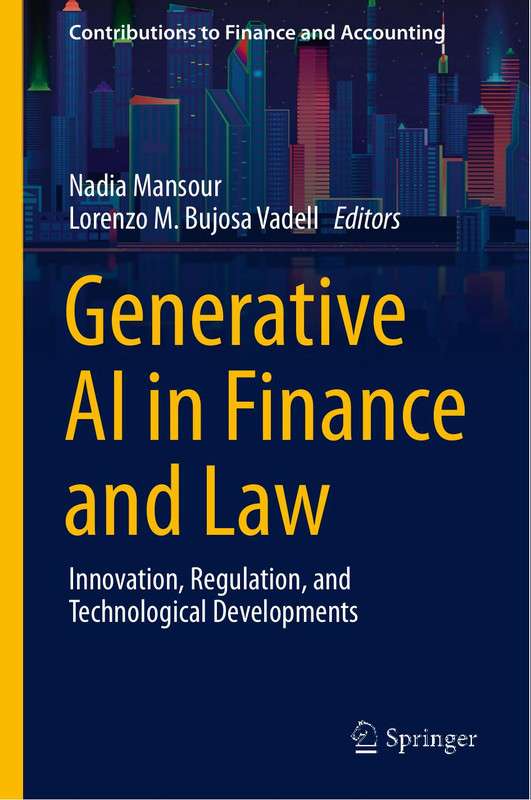
Discover Generative AI Finance Applications and legal use cases to improve productivity, decision-making, and business innovation. Original price was: $49.99.$4.99Current price is: $4.99.Modeling Methods for Data Science and Analytics
Discover Modeling Methods Data Science approaches for building reliable analytical models and improving decision-making outcomes. Original price was: $49.99.$4.99Current price is: $4.99.- The Handy Artificial Intelligence Answer Book for Everyday Learning to Pinterest (opens in a new window)Visible Ink Press

 Quick View
The Handy Artificial Intelligence Answer Book for Everyday Learning
Explore Artificial intelligence answer book for clear explanations of AI concepts, technologies, applications, ethics, and future innovations. Original price was: $49.99.$4.99Current price is: $4.99. - Microsoft Foundry in Action Building and Governing Enterprise AI Applications to Pinterest (opens in a new window)Apress

 Quick View
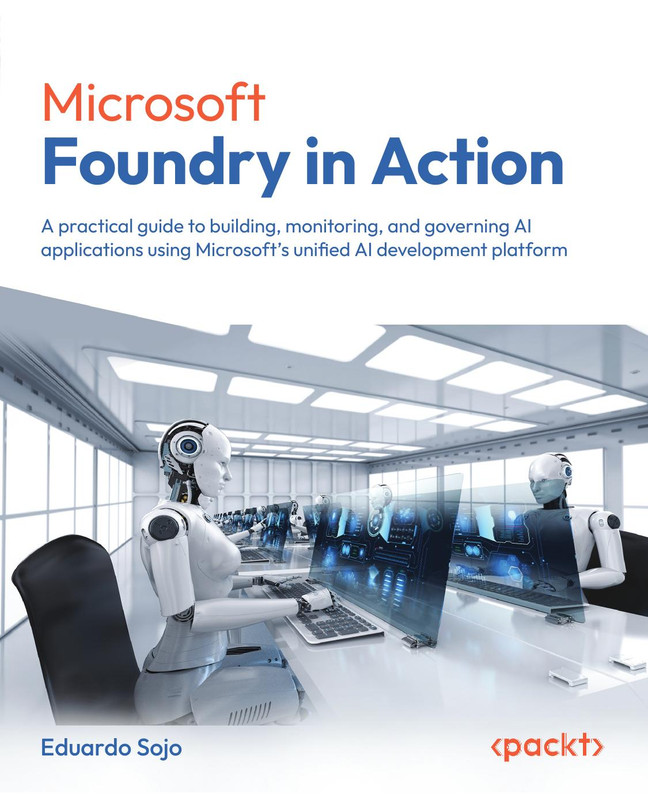
Microsoft Foundry in Action Building and Governing Enterprise AI Applications
Build enterprise solutions with Microsoft Foundry AI development covering application development, monitoring, governance, and responsible AI deployment. Original price was: $49.99.$4.99Current price is: $4.99. RAG in Practice Building AI Applications Using Real Data
Build intelligent solutions using Production RAG application development with real-world data, vector search, and scalable AI agent architectures. Original price was: $49.99.$4.99Current price is: $4.99.- Multimodal Generative AI Enterprise Guide for Image Audio Video to Pinterest (opens in a new window)Packt Publishing

 Quick View
Multimodal Generative AI Enterprise Guide for Image Audio Video
Build innovative AI applications using Enterprise multimodal AI development techniques for image, audio, and video solutions that drive business growth. Original price was: $49.99.$4.99Current price is: $4.99. - Generative AI: Practical Concepts, Applications, Prompting, and Business Workflows to Pinterest (opens in a new window)Springer

 Quick View
Generative AI: Practical Concepts, Applications, Prompting, and Business Workflows
Explore a generative AI practical guide covering concepts, applications, prompting, automation, business use cases, responsible AI, and emerging workflows. Original price was: $49.99.$4.99Current price is: $4.99. - Retrieval Augmented Generation for Modern Natural Language Processing to Pinterest (opens in a new window)Wiley

 Quick View
Retrieval Augmented Generation for Modern Natural Language Processing
Master retrieval augmented generation NLP techniques for grounded language applications using retrieval, embeddings, context, evaluation, and practical AI. Original price was: $49.99.$4.99Current price is: $4.99.



Reviews
There are no reviews yet.