No products in the cart.
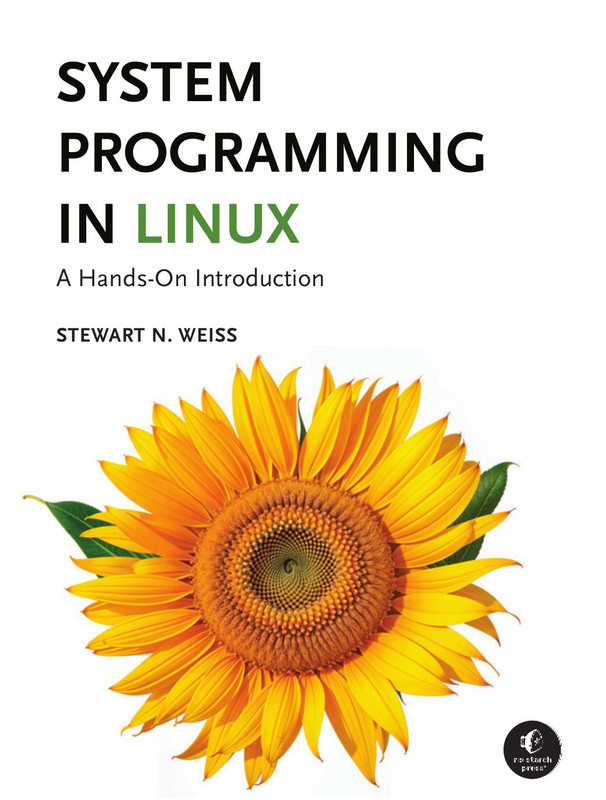
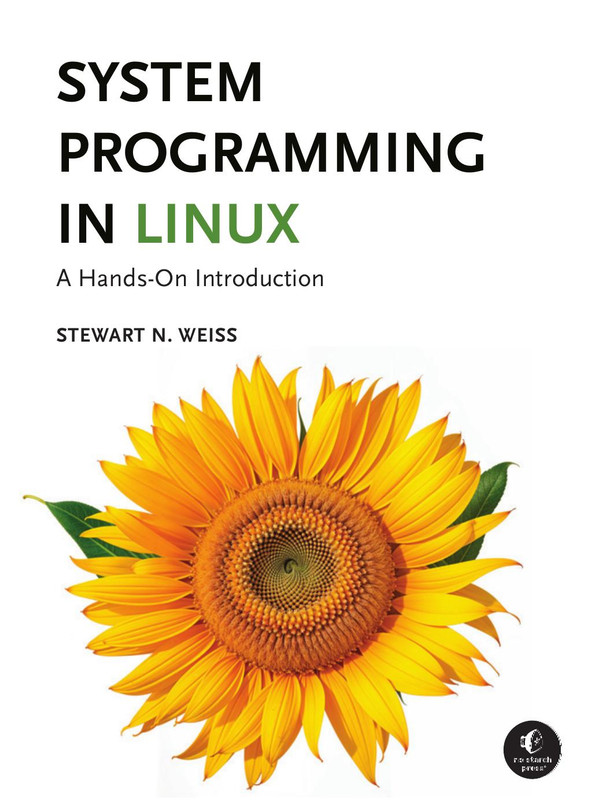
System Programming in Linux: Complete Developer Reference Guide
Linux system programming guide training equips developers with the low-level skills needed to build efficient, reliable software directly on top of the Linux operating system. This course walks you through core system programming concepts, from process management to inter-process communication, so that you gain a deep understanding of how Linux truly works under the hood. Whether you are building performance-critical applications or preparing for advanced systems roles, this program equips you with practical, industry-relevant expertise.
What You Will Learn
Throughout this course, you will explore the essential building blocks of Linux system programming. Specifically, you will study:
- Process creation and management using fork, exec, and wait system calls
- File I/O operations, including file descriptors, buffering, and memory-mapped files
- Inter-process communication techniques, such as pipes, message queues, and shared memory
- Multithreading with POSIX threads, along with synchronization using mutexes and semaphores
- Signal handling and process control for building robust, fault-tolerant applications
- Socket programming fundamentals for network-aware Linux applications
Why This Course Matters
Because Linux powers the majority of servers, embedded systems, and cloud infrastructure worldwide, mastering system-level programming significantly enhances your value as a developer. Consequently, this course does not merely teach syntax; instead, it emphasizes practical, hands-on labs that mirror real production challenges. As a result, you gain the confidence to debug, optimize, and extend complex systems. Moreover, since low-level programming skills remain scarce, this course also strengthens your competitiveness for specialized engineering roles.
Course Structure
The training is organized into progressive modules, so learners build technical depth step by step. Each module includes video lessons, downloadable source code, and guided programming exercises. Furthermore, practical challenges at the end of every section reinforce key concepts, ensuring that you can apply techniques independently in real projects.
Who Should Enroll
This course suits software developers, embedded systems engineers, and computer science students who want to strengthen their Linux programming fundamentals. Additionally, it benefits professionals preparing for roles in systems engineering, DevOps, or performance-critical software development.














Reviews
There are no reviews yet.