No products in the cart.
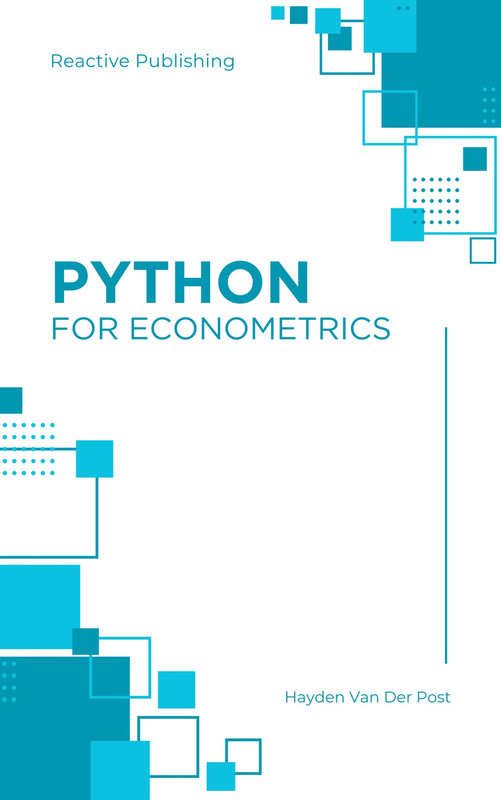
Python for Econometrics: Data Science Meets Economic Analysis
Original price was: $14.15.$1.42Current price is: $1.42.
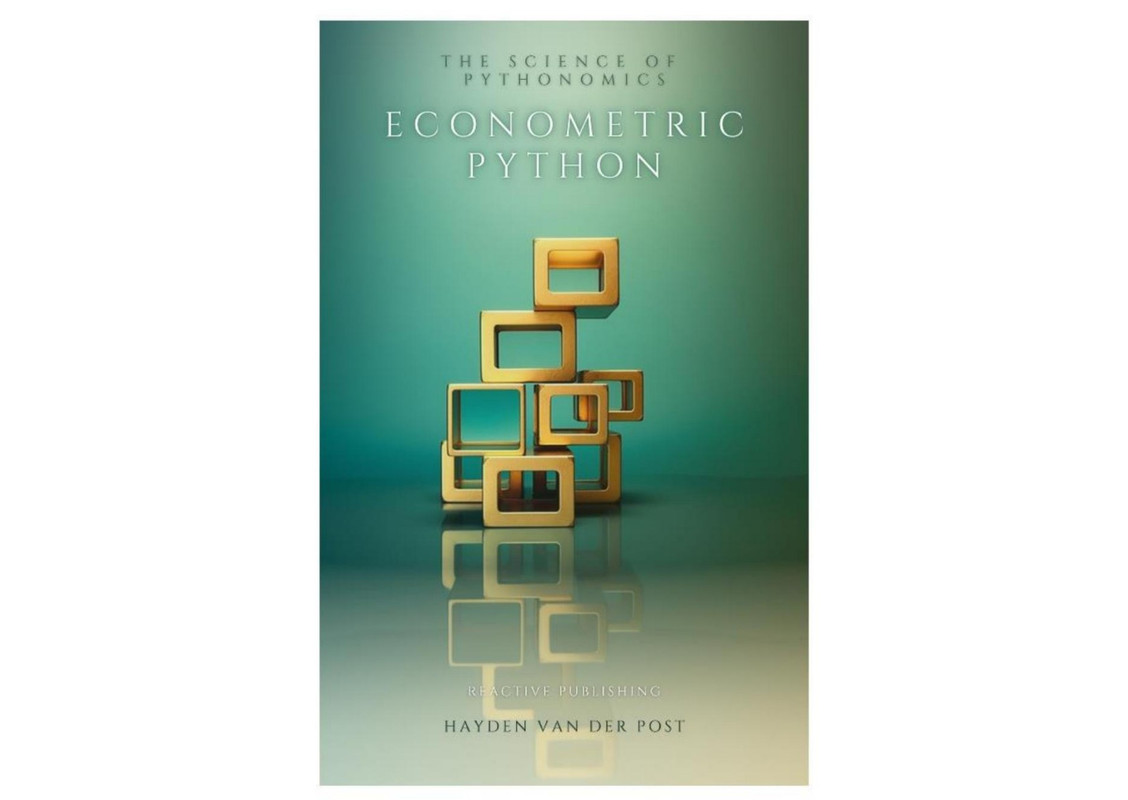
Comprehensive Python guide for econometrics, bridging data science and economic analysis.
Description
“
Python for Econometrics: Data Science Meets Economic Analysis
Python Econometrics Data Science is a comprehensive course designed to bridge the gap between economic theory and modern data science techniques. This course, Python for Econometrics: Data Science Meets Economic Analysis, equips learners with the ability to analyze economic data, build statistical models, and derive meaningful insights using Python. Moreover, it focuses on practical implementation, ensuring that learners can confidently apply econometric methods in real-world financial and economic scenarios.
Why Learn Python for Econometrics?
Econometrics plays a crucial role in understanding economic relationships and forecasting trends. However, traditional tools can be limited when handling large datasets or complex computations. Therefore, Python has become the preferred language for modern econometric analysis due to its simplicity, flexibility, and powerful data science libraries.
Furthermore, Python enables researchers and analysts to perform regression analysis, time series modeling, and hypothesis testing efficiently. As a result, economists, data scientists, and financial analysts increasingly rely on Python for advanced economic modeling and decision-making.
What You Will Learn
- Understand fundamental econometric concepts and statistical reasoning.
- Work with Python libraries such as NumPy, Pandas, and Statsmodels.
- Perform linear and multiple regression analysis.
- Analyze time series data and forecast economic trends.
- Conduct hypothesis testing and statistical inference.
- Build econometric models for real-world economic data.
- Visualize economic data using Matplotlib and Seaborn.
- Apply machine learning techniques to economic datasets.
- Evaluate model accuracy and interpret results effectively.
- Develop end-to-end econometric analysis projects.
Comprehensive Course Coverage
This course begins with foundational econometric theory before introducing Python programming concepts essential for data analysis. Additionally, learners explore how economic data is collected, cleaned, and processed for statistical modeling. Consequently, students gain both theoretical understanding and practical coding skills.
Moreover, each module includes real-world datasets and case studies that demonstrate how econometrics is applied in finance, policy analysis, and business forecasting. Therefore, learners develop the ability to connect economic theory with practical data-driven insights.
Key Topics Included
- Introduction to Econometrics
- Python for Data Analysis
- Data Cleaning and Preparation
- Descriptive Statistics
- Linear Regression Models
- Multiple Regression Analysis
- Time Series Analysis and Forecasting
- Hypothesis Testing and p-Values
- Ordinary Least Squares (OLS)
- Autocorrelation and Multicollinearity
- Economic Data Visualization
- Machine Learning in Econometrics
- Model Evaluation Techniques
Hands-On Practical Learning
In addition to theory, this course emphasizes hands-on practice using real economic datasets. Therefore, learners will build regression models, analyze financial time series, and interpret economic indicators using Python.
Furthermore, practical exercises ensure that students gain confidence in applying econometric tools to real-world problems. As a result, learners develop strong analytical thinking and data interpretation skills essential for economic research and financial analysis.
Who Should Take This Course?
- Economics students and researchers.
- Data science beginners interested in economics.
- Financial analysts and investment professionals.
- Statisticians working with economic datasets.
- Python developers exploring data science applications.
- Policy analysts and business intelligence professionals.
Career Benefits
Python-based econometrics skills are highly valuable in today’s data-driven economy. Moreover, organizations in finance, consulting, government, and research actively seek professionals who can analyze economic data effectively.
After completing this course, you can pursue roles such as Data Analyst, Econometrician, Financial Analyst, Data Scientist, Economic Researcher, and Quantitative Analyst. Consequently, mastering econometrics with Python significantly enhances your analytical and career opportunities.
Explore These Valuable Resources
Explore Related Courses
Master Economic Analysis with Python
Gain the ability to analyze economic data, build predictive models, and apply econometric techniques using Python. With structured lessons, real-world datasets, and practical projects, this course provides a complete learning experience for anyone looking to combine economics with data science for impactful decision-making.
“`
Additional information
| Publisher | Reactive Publishing |
|---|---|
| Published On | 2023-10-20T05:30:00+05:30 |
| Language | English |
| Identifiers | asin:B0CLJ7HGTB |
| Format | epub |
| Size (MB) | 0.50 MB |
| Rating | ⭐️⭐️⭐️⭐️⭐️ 4.568 |
Only logged in customers who have purchased this product may leave a review.
Recommended Courses and Materials
Introduction to Data Science Specialization [4 courses]
Sale Price: $8
Regular Price: $25
Size: 1.09 GB
Duration: 9 hours 24 minutes
Number of Video Lessons: 129
Brand: Expert Training
Language: English
Instant Download
⭐️⭐️⭐️⭐️⭐️ 4.9
Data Science: An Introduction to Statistics & Machine Learning (Springer, 2023)
Learn data science fundamentals, including statistics, machine learning, and data analysis techniques in this Springer guide. Original price was: $49.00.$4.99Current price is: $4.99.Econometric Python: Data Science for Economic Analysis (2024)
Authors : Hayden Van Der Post Publisher : Etech Books Published On : 2024-01 Language : English Identifiers : ISBN : Format : pdf Size (MB) : 45.48 MB Original price was: $45.00.$4.50Current price is: $4.50.Programming for Problem-Solving with C: Formulating Algorithms for Complex Problems
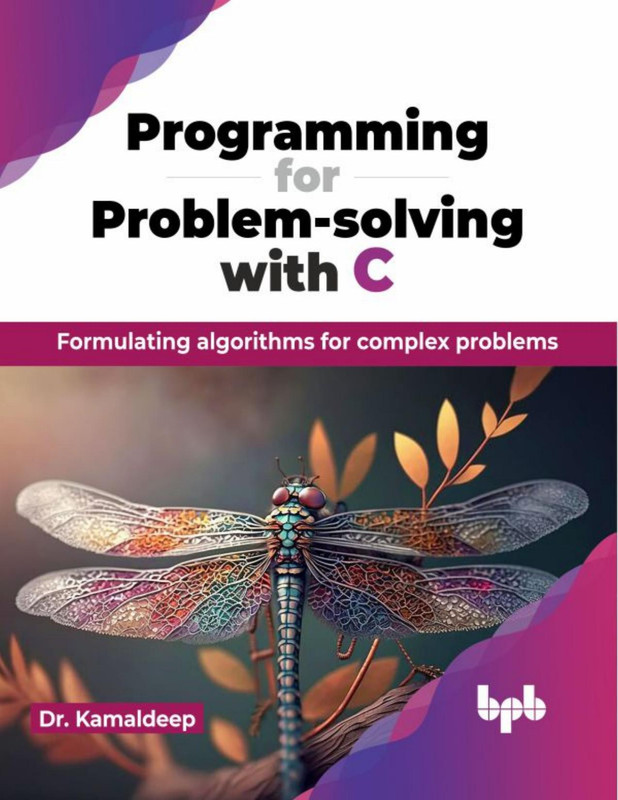
Authors : Dr. Kamaldeep Publisher : BPB Publications Published On : 2023-12 Language : English Identifiers : google:99_rEAAAQBAJ,isbn:9789355517357 ISBN : 9790000000000 Format : pdf Size (MB) : 4.50 MB Original price was: $35.00.$3.50Current price is: $3.50.Econometric Python Harnessing Data Science for Economic Analysis (2024, )
Learn econometrics with Python for economic data analysis. This guide shows you how to apply data science to economics. Original price was: $49.99.$4.99Current price is: $4.99.Econometric Python: Data Science for Economic Analysis
Learn econometrics and data science for economic analysis using Python. Original price was: $19.99.$2.00Current price is: $2.00.“Data Science For Dummies: Beginner’s Guide to Analytics”
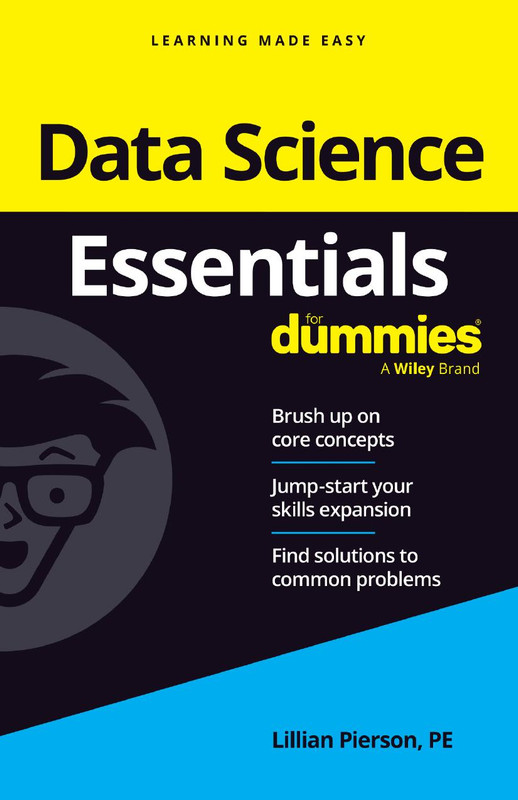
Authors : Lillian Pierson Publisher : John Wiley & Sons Published On : 2021-08 Language : English Identifiers : isbn:9781119811619,google:QFQ_EAAAQBAJ ISBN : 9780000000000 Format : pdf Size (MB) : 5.55 MB Original price was: $25.56.$2.56Current price is: $2.56.A Friendly Guide to Data Science
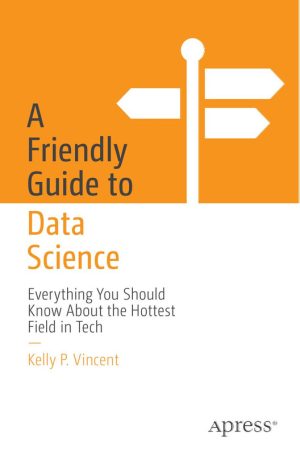
friendly guide data science course helps beginners master statistics, python, and ai-driven analysis for better career opportunities in data science. Original price was: $49.99.$4.99Current price is: $4.99.Think Stats
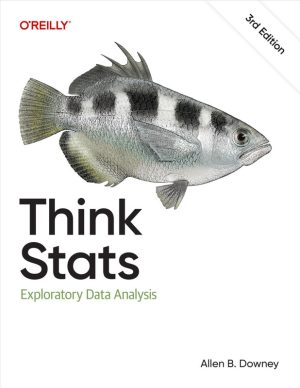
Master statistics data analysis with Python using practical examples to explore probability, regression, and data interpretation. Original price was: $49.99.$4.99Current price is: $4.99.Foundations of Data Science With Python
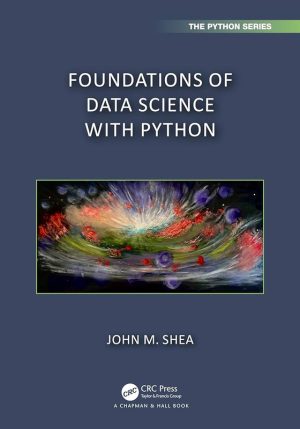
Build a solid foundation in data science using Python. Learn key techniques for data analysis and machine learning. Original price was: $49.99.$4.99Current price is: $4.99.MLFS – Machine Learning From Scratch
Learn machine learning from scratch by understanding core algorithms, math foundations, and hands-on implementations without black-box tools. Original price was: $49.99.$4.99Current price is: $4.99.The Data Science Handbook for Practical Applications
This data science handbook covers essential tools, methods, and workflows to analyze data, build models, and solve real-world problems. Original price was: $49.99.$4.99Current price is: $4.99.Machine Learning for Econometrics
Year: 2025 Publisher: Oxford University Press Language: English Pages: 353 ISBN 10: 0198918836 ISBN 13: 9780198918837 File: PDF, 14.18 MB Original price was: $49.99.$4.99Current price is: $4.99.Data Science Crash Course for Beginners and Data Professionals
Accelerate your career with Data science learning course covering Python, analytics, visualization, machine learning, and practical data science skills. Original price was: $49.99.$4.99Current price is: $4.99.Practical Statistics for Data Scientists Complete Analytics Reference
Learn Data science statistics fundamentals including probability, hypothesis testing, regression, and analytics for practical machine learning projects. Original price was: $49.99.$4.99Current price is: $4.99.Python Data Analysis End-to-End Guide for Data Processing Visualization
Master Python data analysis techniques for data processing, manipulation, visualization, and actionable insights using modern Python libraries. Original price was: $49.99.$4.99Current price is: $4.99.
![Introduction to Data Science Specialization [4 courses]](https://expertrainingdownload.com/wp-content/uploads/2024/08/Introduction-to-Data-Science-300x300.jpg)












Reviews
There are no reviews yet.