No products in the cart.
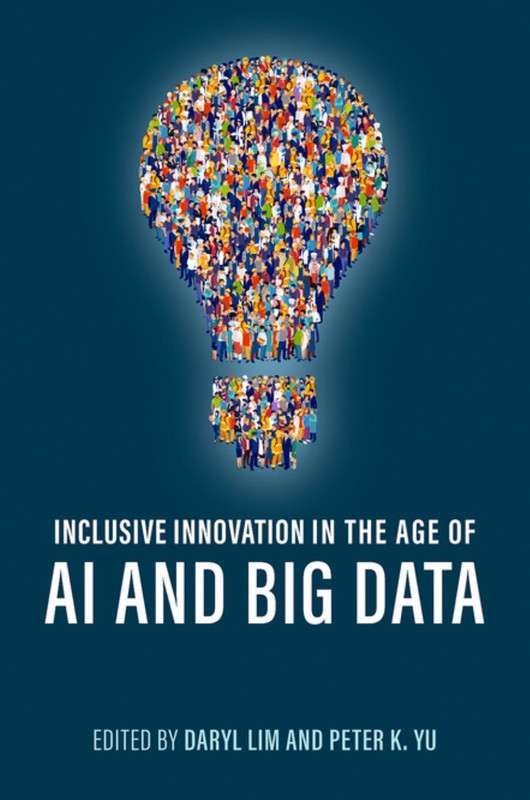
Inclusive Innovation Strategies Using AI and Big Data
Original price was: $49.99.$4.99Current price is: $4.99.
Discover inclusive innovation AI strategies that leverage big data to drive growth, collaboration, and digital transformation.
Description
Inclusive Innovation Strategies Using AI and Big Data
Inclusive AI Innovation Strategies is a forward-thinking course designed to help professionals, business leaders, policymakers, and innovators harness the power of artificial intelligence and big data to create more inclusive products, services, and business models. Moreover, the course demonstrates how organizations can use data-driven insights to identify underserved communities, reduce bias, and unlock new opportunities for innovation and growth.
As digital transformation accelerates across industries, organizations increasingly rely on AI and analytics to make strategic decisions. Therefore, understanding how to apply these technologies responsibly and inclusively has become essential. Furthermore, this course provides practical frameworks that help organizations balance innovation, ethics, and social impact while achieving sustainable business objectives.
Course Overview
The course begins by introducing the foundations of inclusive innovation and explaining how AI and big data influence modern decision-making. Next, learners explore the relationship between technology, diversity, accessibility, and economic inclusion. Additionally, the course examines how organizations can leverage data to better understand customer needs and create solutions that serve broader populations.
Throughout the program, participants analyze real-world case studies that highlight successful implementations of inclusive innovation strategies. Consequently, they gain valuable insights into how businesses, governments, and nonprofit organizations use AI-driven technologies to address social and economic challenges. Moreover, the course explores practical methods for minimizing algorithmic bias and promoting fairness in AI systems.
What You Will Learn
- Fundamentals of inclusive innovation and digital transformation
- Core concepts of artificial intelligence and big data analytics
- Strategies for identifying underserved markets and communities
- Data-driven decision-making frameworks
- Ethical AI development and deployment practices
- Bias detection and mitigation techniques
- Customer-centric innovation methodologies
- Building inclusive products and services
- AI governance and regulatory considerations
- Measuring social impact through data analytics
The Role of AI in Inclusive Innovation
Artificial intelligence enables organizations to analyze large volumes of information and uncover patterns that traditional methods often miss. Therefore, businesses can identify unmet customer needs more effectively. In addition, AI-powered tools help organizations personalize experiences, improve accessibility, and optimize resource allocation. As a result, innovation efforts become more inclusive and impactful.
Furthermore, big data provides valuable insights into market trends, consumer behavior, and social challenges. Consequently, organizations can develop solutions that address the needs of diverse populations while supporting long-term growth objectives.
Practical Applications
- Designing inclusive digital products and services
- Enhancing accessibility through AI technologies
- Using predictive analytics for social impact initiatives
- Improving customer experiences with data insights
- Identifying emerging market opportunities
- Supporting diversity and inclusion initiatives
- Optimizing public services through data-driven strategies
- Creating equitable innovation ecosystems
Explore These Valuable Resources.
- OECD AI Policy Observatory
- World Economic Forum – Fourth Industrial Revolution
- IBM Artificial Intelligence Resources
Who Should Take This Course?
- Business leaders and executives
- Innovation managers and strategists
- Data analysts and data scientists
- Digital transformation professionals
- Government and public sector leaders
- Social impact organizations
- Product managers and entrepreneurs
- Technology consultants
Explore Related Courses
- Explore Related Courses – Artificial Intelligence
- Explore Related Courses – Big Data Analytics
- Explore Related Courses – Data Science
- Explore Related Courses – Digital Transformation
- Explore Related Courses – Business Innovation
Career and Business Benefits
By completing this course, learners will develop the knowledge needed to implement AI-powered innovation strategies that drive both business value and social impact. Moreover, they will understand how to align technology initiatives with inclusion, accessibility, and sustainability goals. Consequently, they can lead innovation projects more effectively while ensuring responsible use of emerging technologies.
Ultimately, this course provides a practical roadmap for organizations seeking to leverage artificial intelligence and big data responsibly. Therefore, professionals who complete this training will be better equipped to create innovative solutions that benefit diverse communities while achieving measurable business success.
“`
Additional information
| Authors | (Daryl Lim, Peter Yu) |
|---|---|
| Publisher | Expert Training |
| Published On | 30-04-26 |
| Language | English |
| File Format | |
| File Size | 37.20 MB |
| Rating | ⭐️⭐️⭐️⭐️⭐️ 4.39 |
Only logged in customers who have purchased this product may leave a review.
Recommended Courses and Materials
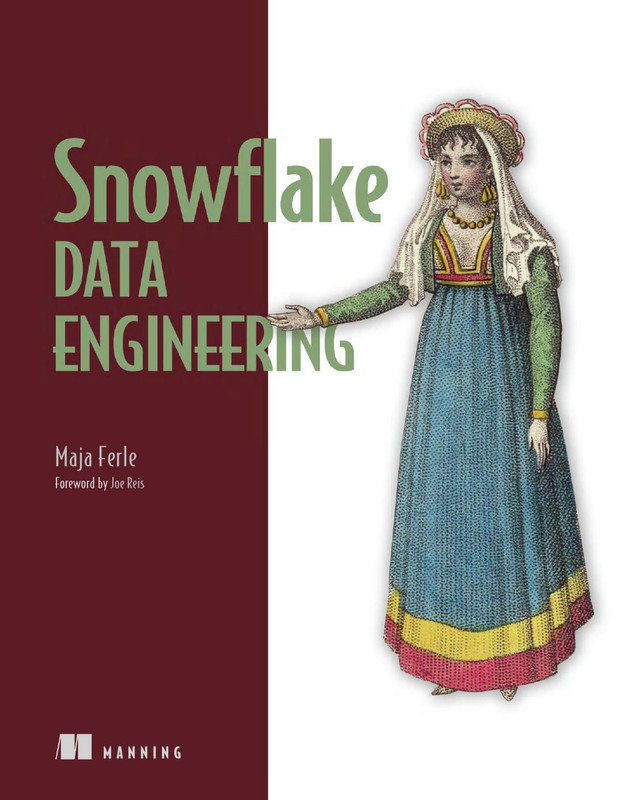
Snowflake Data Engineering
Learn snowflake data engineering to build scalable pipelines. Gain expertise in cloud data warehouse management and analytics workflows. Original price was: $49.99.$4.99Current price is: $4.99.Data Engineering for Beginners
Learn data engineering beginners methods to build data pipelines, manage storage, and transform data for analytics and machine learning workflows. Original price was: $49.99.$4.99Current price is: $4.99.Databricks Certified Data Engineer Associate Study Guide
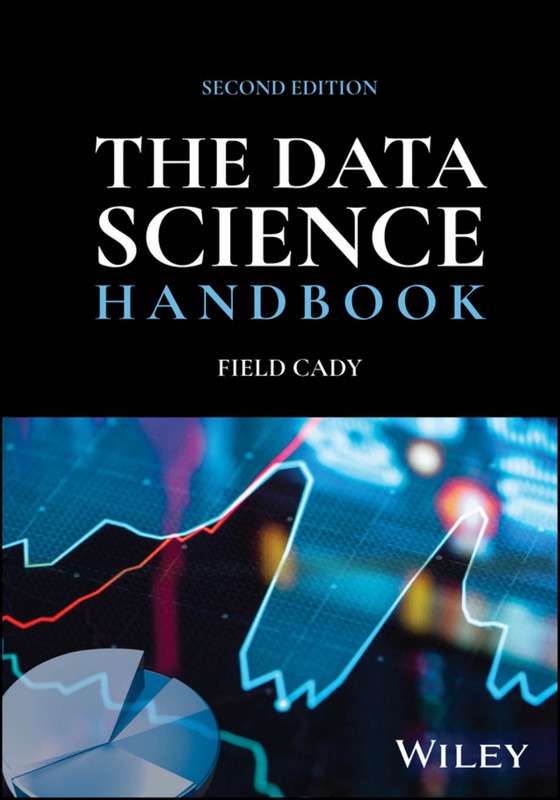
Prepare with databricks data engineer certification study guide to master Spark, pipelines, and data engineering best practices. Original price was: $49.99.$4.99Current price is: $4.99.The Data Science Handbook for Practical Applications
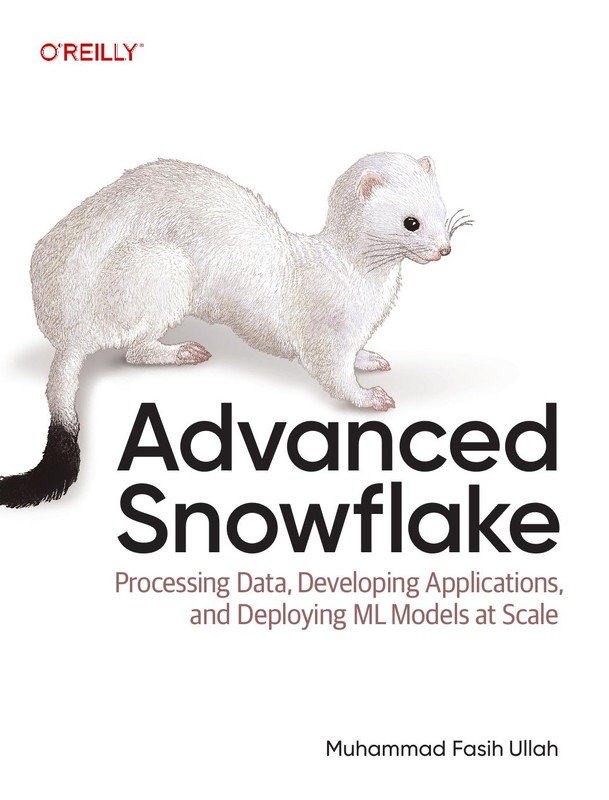
This data science handbook covers essential tools, methods, and workflows to analyze data, build models, and solve real-world problems. Original price was: $49.99.$4.99Current price is: $4.99.Advanced Snowflake Data Processing and Machine Learning
Master Snowflake data processing and scalable machine learning to build applications, deploy ML models, and handle enterprise analytics efficiently. Original price was: $49.99.$4.99Current price is: $4.99.- Big Data, Big Impact Navigating Competition, Privacy, and Reform to Pinterest (opens in a new window)Nova Science Publishers
 Quick View
Big Data, Big Impact Navigating Competition, Privacy, and Reform
Year: 2025 Edition: 1 Publisher: Nova Science Publishers Language: English Pages: 338 File: PDF, 18.23 MB Original price was: $49.99.$4.99Current price is: $4.99. Data Contracts for Production Grade Data Pipelines
Implement data contracts data pipelines to ensure reliability, scalability, and quality across production-grade data engineering systems. Original price was: $49.99.$4.99Current price is: $4.99.- Data Engineering Best Practices Build Scalable and Reliable Data Systems to Pinterest (opens in a new window)BPB Online LLP
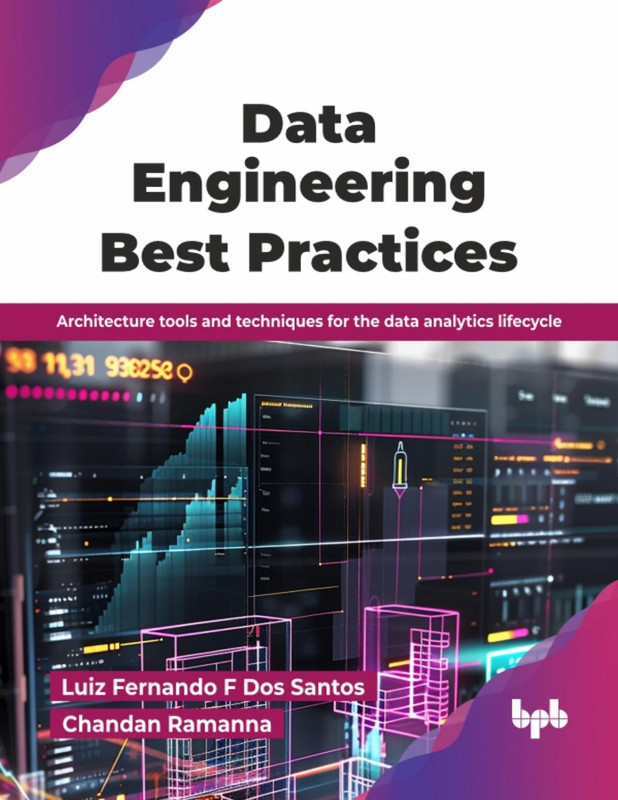 Quick View
Data Engineering Best Practices Build Scalable and Reliable Data Systems
Data engineering best practices course teaches building scalable pipelines, managing data workflows, and optimizing performance effectively. Original price was: $49.99.$4.99Current price is: $4.99. High Performance Spark for Scalable Big Data Processing
Learn High Performance Spark Processing techniques to optimize large-scale data workloads, improve analytics speed, and maximize cluster efficiency. Original price was: $49.99.$4.99Current price is: $4.99.- Optimizing Apache Iceberg Lakehouse Performance and Scalability Guide to Pinterest (opens in a new window)Inc.
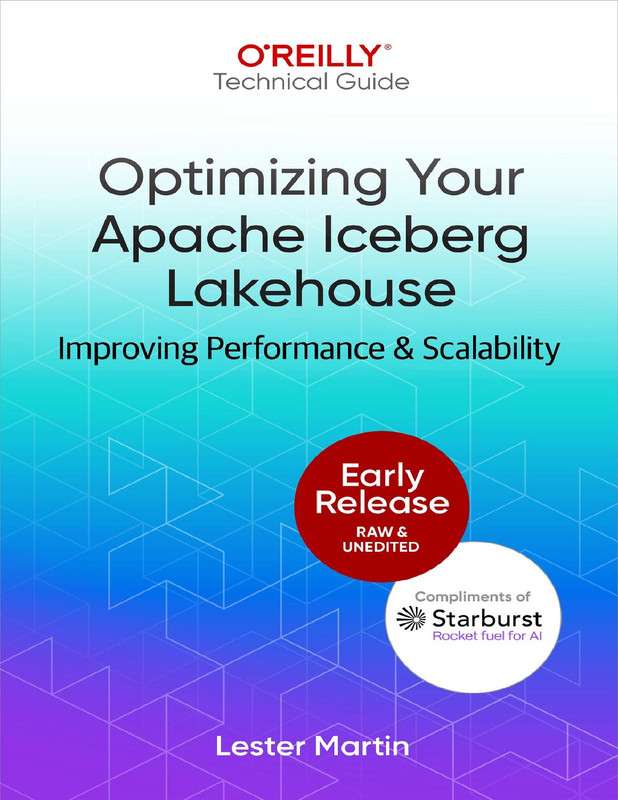 Quick View
Optimizing Apache Iceberg Lakehouse Performance and Scalability Guide
Learn Apache Iceberg lakehouse optimization techniques to improve data performance, scalability, governance, and analytics. Original price was: $49.99.$4.99Current price is: $4.99. - Ultimate Data Engineering Design Patterns for Modern Architectures to Pinterest (opens in a new window)Orange Education Pvt Ltd
 Quick View
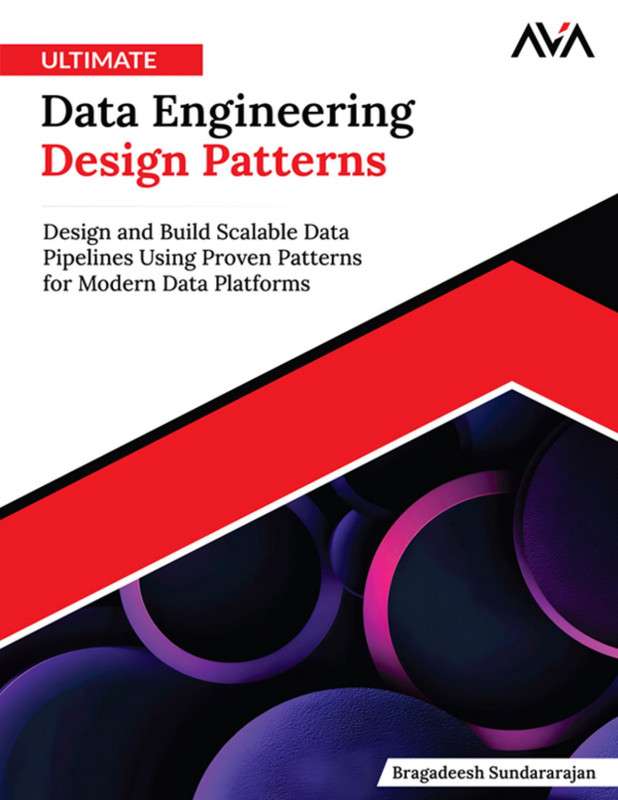
Ultimate Data Engineering Design Patterns for Modern Architectures
Master Data Engineering Design Patterns to build scalable pipelines, improve reliability, and optimize enterprise data platforms. Original price was: $49.99.$4.99Current price is: $4.99. Master Data Governance Framework for Enterprise Success
Learn Master Data Governance Framework principles to improve data quality, compliance, governance, and business intelligence. Original price was: $49.99.$4.99Current price is: $4.99.Big Data Analysis Techniques and Practical Applications Guide
Master big data analysis guide to process large datasets and extract insights using modern analytics tools and techniques. Original price was: $49.99.$4.99Current price is: $4.99.ML and Generative AI in the Data Lakehouse Guide
Build enterprise solutions with Generative AI data lakehouse architectures to deploy scalable AI applications using modern data platforms efficiently. Original price was: $49.99.$4.99Current price is: $4.99.- Generative AI for Business Innovation Strategies and Enterprise Applications to Pinterest (opens in a new window)Springer Nature

 Quick View
Generative AI for Business Innovation Strategies and Enterprise Applications
Discover Generative AI business innovation strategies to automate operations, improve productivity, and accelerate digital transformation. Original price was: $49.99.$4.99Current price is: $4.99. - Data Systems and Society Understanding Modern Digital Transformation Today to Pinterest (opens in a new window)Cambridge University Press

 Quick View
Data Systems and Society Understanding Modern Digital Transformation Today
Explore Data systems societal impact through technology, ethics, governance, and data-driven decision-making in modern organizations and communities. Original price was: $49.99.$4.99Current price is: $4.99.




Reviews
There are no reviews yet.