
Description
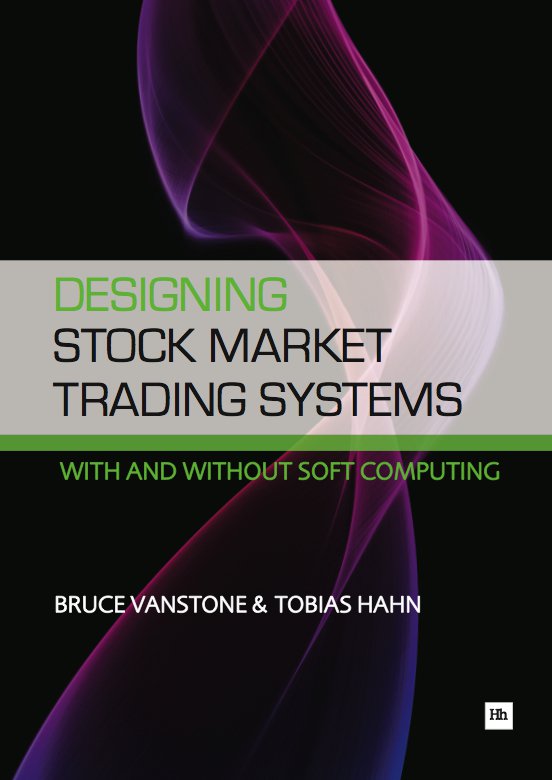
Designing Stock Market Trading Systems: With and without Soft Computing
Stock Trading System Design Concepts provide a comprehensive foundation for understanding how modern financial trading platforms are built using both traditional computational methods and advanced soft computing techniques. This course explores how trading strategies are designed, tested, and optimized to operate effectively in highly volatile stock markets. Moreover, it bridges the gap between classical algorithmic trading and intelligent AI-driven systems, helping learners develop practical and analytical skills for real-world financial applications.
Introduction to Trading System Design
To begin with, stock market trading systems are automated or semi-automated platforms that analyze financial data and execute trades based on predefined strategies. In addition, these systems rely on mathematical models, statistical analysis, and computational algorithms to make informed decisions. However, when uncertainty and market noise increase, traditional systems may struggle, which is where soft computing techniques become valuable.
Therefore, this course covers both conventional trading system design and modern AI-enhanced approaches, enabling learners to understand how different methodologies complement each other in financial decision-making.
What You Will Learn
- Fundamentals of stock market trading systems
- Architecture of algorithmic trading platforms
- Technical indicators and quantitative analysis
- Strategy development for automated trading
- Risk management and portfolio optimization techniques
- Introduction to soft computing in financial systems
- Neural networks for stock prediction models
- Fuzzy logic-based trading decision systems
- Genetic algorithms for strategy optimization
- Hybrid trading systems combining AI and statistics
Traditional vs Soft Computing Approaches
Firstly, traditional trading systems rely heavily on deterministic models such as moving averages, regression analysis, and rule-based strategies. These systems are efficient; however, they often fail to adapt to unpredictable market behavior.
On the other hand, soft computing techniques introduce flexibility and adaptability. For instance, neural networks learn from historical data patterns, while fuzzy logic handles uncertainty more effectively. Consequently, hybrid systems that combine both approaches deliver improved performance and robustness in dynamic market conditions.
Course Modules Overview
- Stock Market Fundamentals and Data Structures
- Algorithmic Trading System Architecture
- Technical Indicators and Signal Processing
- Backtesting and Performance Evaluation
- Risk Analysis and Capital Management
- Soft Computing Techniques in Finance
- AI-Based Trading System Design
- Real-Time Trading Simulation Projects
Explore These Valuable Resources
- Algorithmic Trading Overview – Investopedia
- Artificial Intelligence Concepts – IBM
- Fuzzy Logic in Computing – ScienceDirect
Explore Related Courses
- Algorithmic Trading Systems
- Financial Engineering Courses
- Machine Learning for Finance
- Artificial Intelligence Programs
- Data Science in Finance
Career Opportunities
Furthermore, mastering trading system design opens doors to high-demand roles in quantitative finance, hedge funds, fintech companies, and investment firms. In addition, professionals can work as quantitative analysts, algorithmic traders, risk managers, or AI finance engineers.
As financial markets continue to evolve, the demand for intelligent trading systems is increasing rapidly. Therefore, gaining expertise in both traditional and soft computing-based trading methods provides a significant competitive advantage.
Conclusion
In conclusion, Designing Stock Market Trading Systems: With and without Soft Computing offers a powerful blend of financial theory, computational techniques, and artificial intelligence. Moreover, it equips learners with the ability to design intelligent, adaptive, and efficient trading systems. Ultimately, this course prepares you to navigate modern financial markets with confidence and technical expertise.













Reviews
There are no reviews yet.