
No products in the cart.
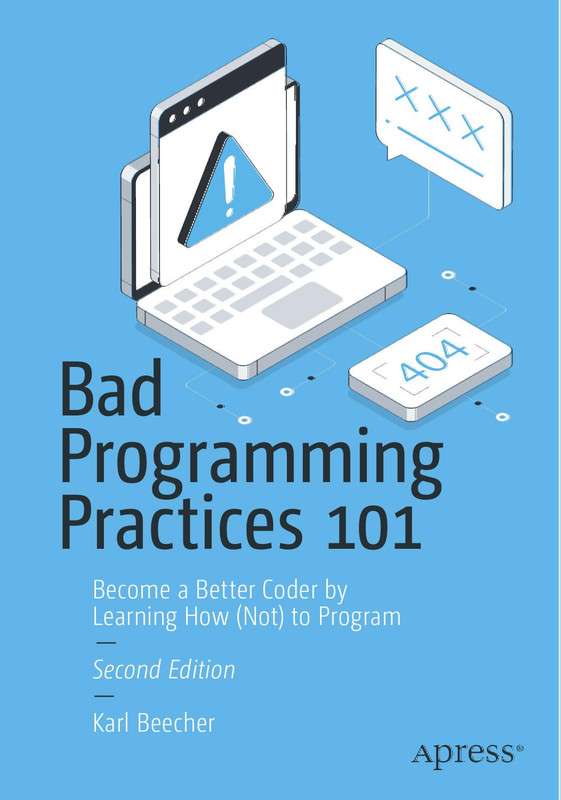
Bad Programming Practices Every Developer Must Avoid
Original price was: $49.99.$4.99Current price is: $4.99.
Identify Software Development Coding Mistakes and learn best practices to write cleaner, maintainable, and efficient code.
Description
Bad Programming Practices Every Developer Must Avoid
Programming Best Practices Guide is an essential course for software developers who want to write cleaner, more efficient, and maintainable code by understanding and avoiding the most common programming mistakes. This course explores bad coding habits that can negatively impact software quality, performance, security, and team productivity while teaching proven techniques for professional software development.
Why Learn About Bad Programming Practices?
Many software projects fail not because of technology limitations but because of poor coding practices. Bad programming habits can lead to difficult maintenance, increased bugs, security vulnerabilities, poor performance, and costly development delays. Understanding these common mistakes is one of the fastest ways to improve as a developer.
This course helps programmers identify problematic coding patterns and replace them with industry-standard best practices. Whether you are a beginner or an experienced developer, learning what not to do is just as important as learning what to do.
What You Will Learn
- Recognize common bad programming practices
- Avoid writing overly complex and unreadable code
- Understand the dangers of duplicated code
- Improve code organization and maintainability
- Learn proper error handling techniques
- Write meaningful comments and documentation
- Avoid hard-coded values and magic numbers
- Implement clean coding principles
- Understand secure coding practices
- Improve software performance and reliability
- Learn effective debugging and testing strategies
- Follow industry-standard software development practices
Common Programming Mistakes Covered
- Ignoring code reviews
- Poor variable and function naming conventions
- Copy-paste programming
- Excessive code complexity
- Lack of automated testing
- Inadequate exception handling
- Poor version control habits
- Ignoring security vulnerabilities
- Premature optimization
- Insufficient documentation
- Tight coupling between components
- Failure to follow coding standards
Course Highlights
This course uses real-world examples to demonstrate how poor programming decisions can affect software projects. Students will analyze problematic code, identify issues, and refactor applications using professional development practices.
You will gain practical experience with code quality improvement techniques, maintainable software architecture, debugging methodologies, and development workflows used by successful software engineering teams worldwide.
Who Should Take This Course?
- Beginner Programmers
- Software Developers
- Web Developers
- Backend Engineers
- Frontend Developers
- Computer Science Students
- Software Architects
- Technical Team Leads
Career Benefits
Employers highly value developers who can produce clean, reliable, and maintainable code. By avoiding common programming mistakes, you can improve software quality, increase team productivity, reduce technical debt, and become a more effective software professional. These skills are valuable across all programming languages and technology stacks.
Explore These Valuable Resources
- Martin Fowler’s Software Development Resources
- Refactoring and Design Pattern Guides
- Clean Code Development Practices
Explore Related Courses
- Software Development Courses
- Programming Courses
- Software Engineering Training
- Web Development Courses
- Computer Science Courses
Conclusion
Bad Programming Practices Every Developer Must Avoid is a valuable course for anyone seeking to improve coding quality and professional development skills. By learning to identify and eliminate poor programming habits, you will create more maintainable, efficient, secure, and scalable software while strengthening your reputation as a skilled and dependable developer.
Additional information
| Authors | Karl Beecher; |
|---|---|
| Publisher | Apress |
| Published On | 14-05-26 |
| Language | English |
| File Format | |
| File Size | 4.86 MB |
| Rating | ⭐️⭐️⭐️⭐️⭐️ 4.85 |
Only logged in customers who have purchased this product may leave a review.
Recommended Courses and Materials
Clean Code in JavaScript_ Develop reliable, maintainable and robust JavaScript
Key Features- Write maintainable JS code using internal abstraction, well-written tests, and well-documented code
- Understand the agents of clean coding like SOLID principles, OOP, and functional programming
- Explore solutions to tackle common JavaScript challenges in building UIs, managing APIs, and writing states
Martin’s Clean Code Collection: Best Practices for Developers
Improve your coding skills with Robert C. Martin’s Clean Code collection, focusing on best practices for developers. Original price was: $49.00.$4.99Current price is: $4.99.Clean Code Principles and Patterns, 2nd Edition
Master clean code guide and software design patterns for writing maintainable, scalable, and professional-grade applications with better architecture. Original price was: $49.99.$4.99Current price is: $4.99.MS in Software Engineering – Quantic School of Business and Technology (2025)
Explore the MS in Software Engineering from Quantic School. Learn modern software concepts and business applications. Original price was: $49.99.$4.99Current price is: $4.99.100 C++ Mistakes and How to Avoid Them
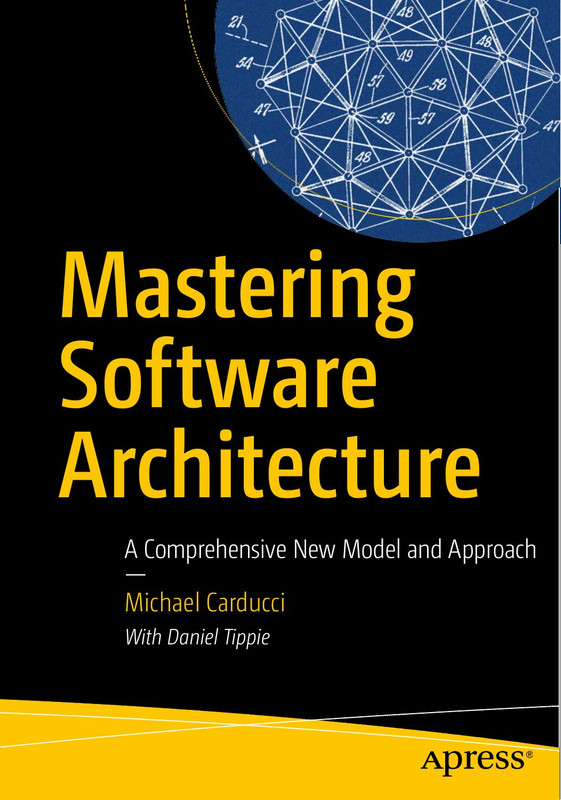
Year: 2024 Edition: Chapters 1 to 5 of 12 Publisher: Manning Publications Language: English Pages: 220 ISBN 10: 1633436896 ISBN 13: 9781633436893 File: PDF, 911 KB Original price was: $49.99.$4.99Current price is: $4.99.Mastering Software Architecture: A Comprehensive New Model and Approach
Master software architecture with modern models and real case studies. Enhance modular design, scalability, and efficiency. Original price was: $49.99.$4.99Current price is: $4.99.Software Engineering Fundamentals Principles Processes and Practices
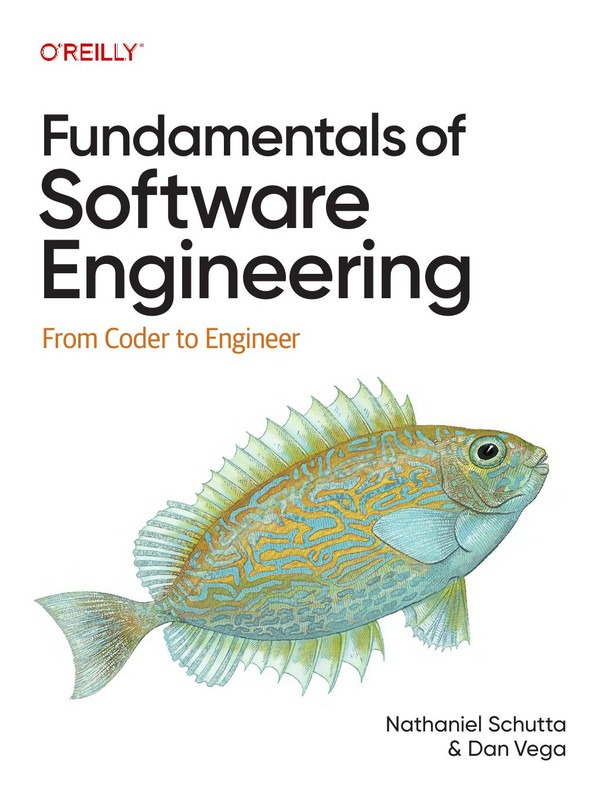
Learn software engineering fundamentals covering principles, processes, and best practices to build reliable, maintainable software systems. Original price was: $49.99.$4.99Current price is: $4.99.Fundamentals of Software Engineering
Year: 2025 Edition: 1 Publisher: O'Reilly Media Language: English Pages: 405 ISBN 10: 109814323X ISBN 13: 9781098143237 File: PDF, 11.63 MB Original price was: $49.99.$4.99Current price is: $4.99.Effective Python Programming Best Practices Explained
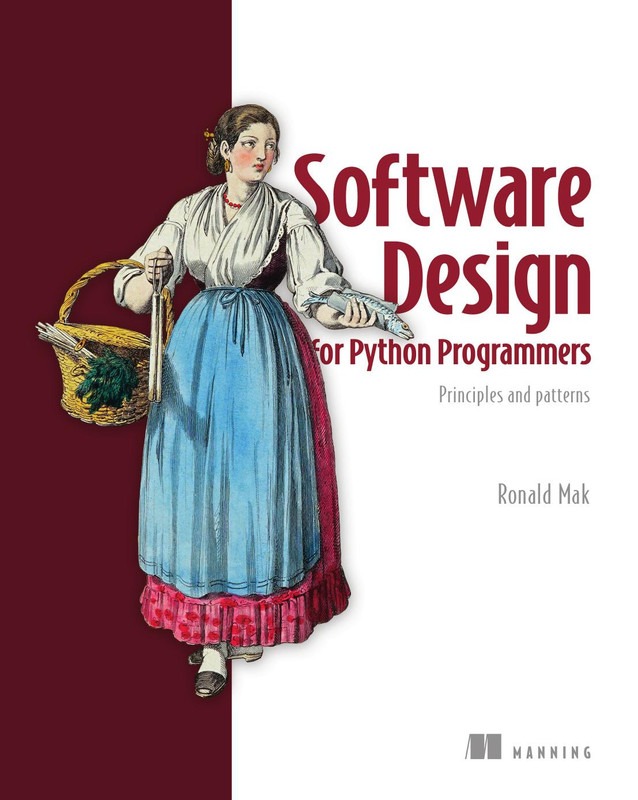
Improve coding skills with effective python programming practices, covering clean code, performance optimization, and professional development tips. Original price was: $49.99.$4.99Current price is: $4.99.Software Design for Python Programmers
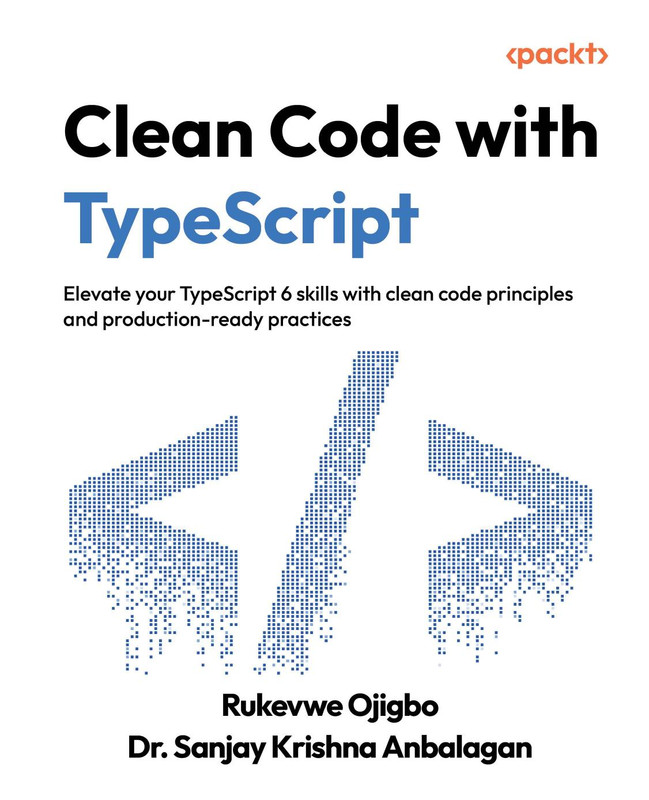
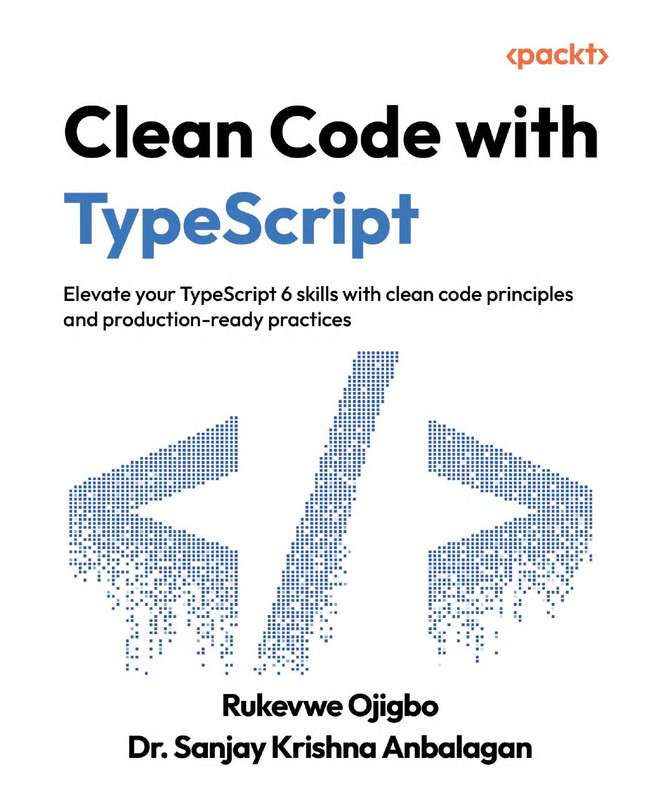
Apply Python software design principles to build maintainable, scalable, and efficient applications. Original price was: $49.99.$4.99Current price is: $4.99.Clean Code with TypeScript Best Practices Guide
Learn clean code typescript guide to write maintainable, scalable code using best practices and modern TypeScript development techniques. Original price was: $49.99.$4.99Current price is: $4.99.Writing Clean TypeScript Code for Better Software
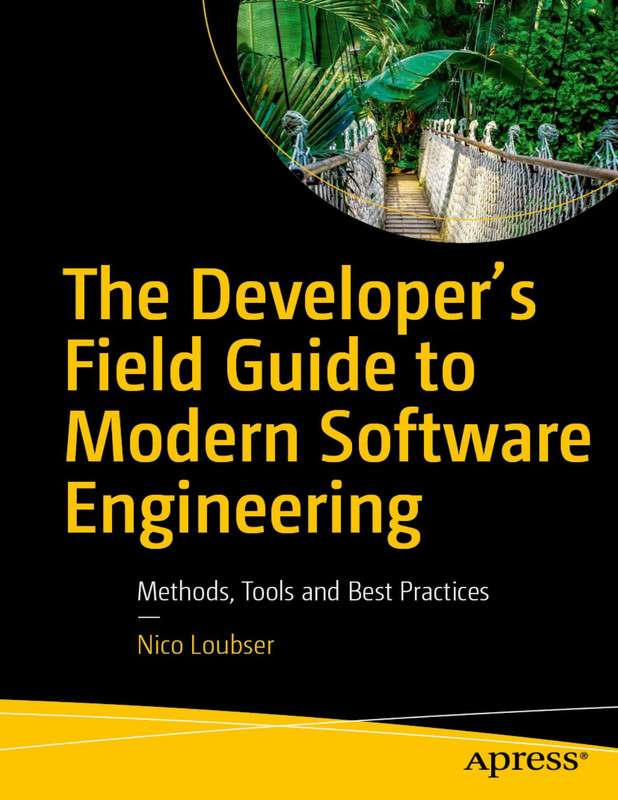
Learn clean TypeScript coding practices to create maintainable, scalable, and high-quality software applications. Original price was: $49.99.$4.99Current price is: $4.99.Modern Software Engineering Methods Tools and Best Practices
Explore Modern Software Engineering Methods to improve coding quality, development workflows, architecture decisions, and engineering excellence. Original price was: $49.99.$4.99Current price is: $4.99.Developer Field Guide for Modern Software Engineering Excellence
Explore Software Engineering Excellence Guide principles for scalable development, team collaboration, architecture, and code quality. Original price was: $49.99.$4.99Current price is: $4.99.Functional Programming in PHP for Modern Software Development
Learn PHP functional programming techniques to write cleaner, reusable, maintainable code using higher-order functions and immutable design. Original price was: $49.99.$4.99Current price is: $4.99.The Python Pro Volume One Professional Development and Deployment
Master Professional Python development guide with clean code, Asyncio, Docker, and production-ready software engineering best practices. Original price was: $49.99.$4.99Current price is: $4.99.






Reviews
There are no reviews yet.