
Description
Financialization Economic System Explained Guide
Financialization Economic System Explained Guide provides a clear understanding of how finance has become a dominant force in modern economies. In simple terms, financialization refers to the increasing importance of financial markets, financial institutions, and financial motives in shaping economic policies and everyday business decisions. As a result, economies often prioritize profits from financial activities over traditional production and services.
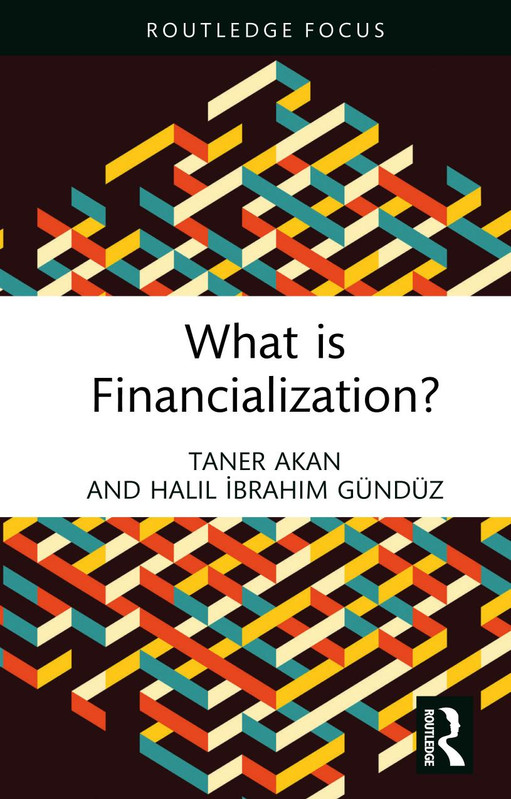
What Is Financialization?
Financialization describes a shift where financial activities, such as trading stocks, bonds, and derivatives, play a larger role in the economy than manufacturing or real production. For example, instead of focusing on producing goods, companies increasingly focus on maximizing shareholder value. Consequently, financial profits often outweigh income generated from actual products or services.
Key Features of Financialization
- Growth of Financial Markets: Stock markets and investment funds have expanded rapidly.
- Increased Corporate Focus on Profits: Businesses prioritize short-term financial gains.
- Rising Household Debt: Consumers rely more on credit cards, loans, and mortgages.
- Expansion of Financial Institutions: Banks, hedge funds, and investment firms play a larger role.
- Global Capital Flow: Money moves quickly across borders in search of higher returns.
How Financialization Works
Financialization operates through mechanisms such as stock market investments, interest rates, and financial instruments. For instance, companies may invest in financial assets instead of expanding production. Meanwhile, individuals often invest in stocks or real estate to grow wealth. Therefore, financial markets influence both corporate strategies and personal financial decisions.
Advantages of Financialization
On one hand, financialization can increase access to capital, allowing businesses to grow faster. Moreover, it provides individuals with investment opportunities that can build wealth. In addition, financial innovation has created tools that improve risk management.
Disadvantages of Financialization
On the other hand, financialization can lead to economic instability. For example, excessive speculation may cause financial crises. Furthermore, income inequality often increases because wealth accumulates among investors. As a result, real economic growth may slow down when too much focus is placed on financial profits.
Real-World Examples
One clear example of financialization is the 2008 global financial crisis, where excessive financial risk-taking led to economic collapse. Additionally, many large corporations now generate significant income from financial investments rather than core business activities. Similarly, households increasingly depend on loans and credit systems.
Why Financialization Matters
Understanding financialization is important because it shapes modern economies. It affects job creation, income distribution, and economic stability. Therefore, policymakers and individuals must balance financial growth with real economic development to ensure long-term sustainability.
Conclusion
In conclusion, financialization represents a major transformation in how economies function. While it offers opportunities for growth and investment, it also introduces risks and challenges. Ultimately, a balanced approach is essential to ensure that financial systems support, rather than dominate, real economic progress.
















Reviews
There are no reviews yet.