
Description
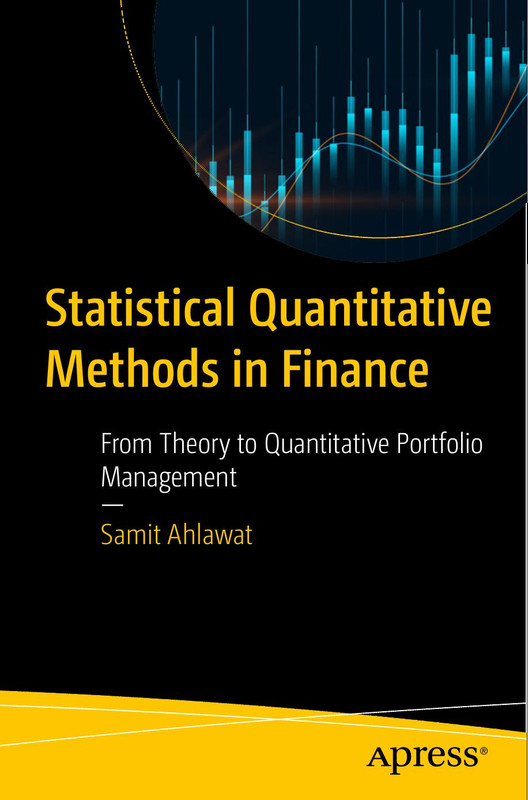
Statistical Quantitative Methods in Finance Course
Unlock the power of Statistical Quantitative Methods Finance in this comprehensive course designed for aspiring finance professionals and quantitative analysts. This course bridges the gap between theoretical statistics and real-world financial applications, guiding you step by step from fundamental concepts to advanced portfolio management strategies. Whether you aim to enhance your career in finance, investment analysis, or risk management, this course provides practical skills to thrive in a data-driven financial world.
Course Overview
This course explores a wide range of statistical and quantitative techniques essential for modern finance. Students will learn to analyze financial data, model risk, optimize portfolios, and make data-backed investment decisions. The course emphasizes hands-on learning, ensuring you can apply theoretical knowledge to real market scenarios effectively.
Key Learning Objectives
- Understand fundamental statistical methods and probability theory relevant to finance.
- Apply regression analysis, time series modeling, and Monte Carlo simulations.
- Develop skills in portfolio optimization, risk assessment, and asset allocation.
- Use programming tools such as Python, R, and MATLAB for financial modeling.
- Bridge the gap between theoretical finance concepts and practical quantitative strategies.
Course Structure
The course is organized into progressive modules:
- Introduction to Quantitative Finance: Foundations of statistics, probability, and financial markets.
- Data Analysis and Visualization: Techniques for analyzing historical financial data.
- Modeling and Forecasting: Regression models, time series forecasting, and risk estimation.
- Portfolio Management: Asset allocation, optimization techniques, and performance metrics.
- Advanced Quantitative Strategies: Monte Carlo simulations, factor models, and algorithmic trading basics.
Why This Course?
By enrolling, you gain not only theoretical knowledge but also actionable skills. Consequently, you will confidently design quantitative models and implement portfolio strategies using statistical methods. Moreover, this course prepares you for certifications in quantitative finance and enhances your employability in finance and investment sectors.
Explore These Valuable Resources
Explore Related Courses
- Financial Statistics Courses
- Portfolio Management Courses
- Quantitative Analysis Courses
- R Programming for Finance
- Python for Financial Modeling
Who Should Enroll?
This course is ideal for finance students, investment analysts, portfolio managers, risk managers, and anyone interested in mastering the statistical methods that drive modern quantitative finance. Additionally, professionals seeking to strengthen their analytical skills and leverage data-driven investment strategies will find this course highly beneficial.
Conclusion
By the end of this course, you will possess the expertise to transform financial theory into practical, data-driven investment decisions. Consequently, you can advance your career, contribute to smarter investment strategies, and excel in the rapidly evolving world of finance.








Reviews
There are no reviews yet.