
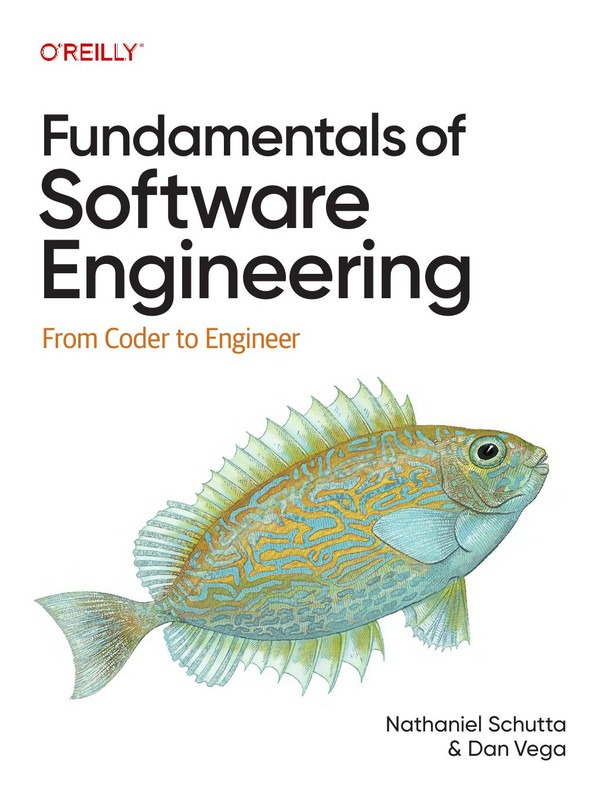
Description
Course Overview
Software engineering combines theory with hands-on practice; therefore, this course builds a strong foundation for beginners and strengthens understanding for aspiring professionals. Additionally, learners explore how structured methodologies improve quality, reduce risk, and accelerate delivery. As a result, students gain confidence in planning, designing, building, testing, and maintaining software systems.
Furthermore, the course explains how software engineering differs from simple programming. Consequently, learners understand why disciplined processes matter in real-world projects. At the same time, practical examples ensure concepts remain accessible and actionable.
What You Will Learn
- Understand core software engineering principles and ethics; moreover, apply them to real scenarios.
- Analyze software development life cycle (SDLC) models; therefore, choose the right model for each project.
- Apply requirements engineering techniques; consequently, reduce rework and scope creep.
- Design maintainable architectures and modules; additionally, improve scalability and reliability.
- Implement testing and quality assurance practices; thus, deliver robust software.
- Collaborate using version control and documentation standards; meanwhile, enhance team productivity.
Principles, Processes, and Practices
First, the course covers fundamental principles such as abstraction, modularity, and separation of concerns. Next, it explains key processes including Agile, Waterfall, and DevOps. Then, learners practice industry-proven techniques like code reviews, continuous integration, and automated testing. Consequently, students connect theory to practice and build professional habits.
Additionally, the curriculum emphasizes problem-solving and communication. Therefore, learners can translate business needs into technical solutions while managing constraints effectively.
Who Should Enroll
This course suits students, career switchers, and early-stage developers. Moreover, IT professionals who want structured knowledge will benefit. Ultimately, anyone seeking a solid software engineering base can enroll and progress confidently.
Explore These Valuable Resources.
Explore Related Courses
Career Benefits
Finally, this course prepares learners for academic studies and industry roles. Therefore, graduates can contribute effectively to software teams. In conclusion, by mastering fundamentals, processes, and practices, learners position themselves for long-term growth in software engineering.







Reviews
There are no reviews yet.