
Description
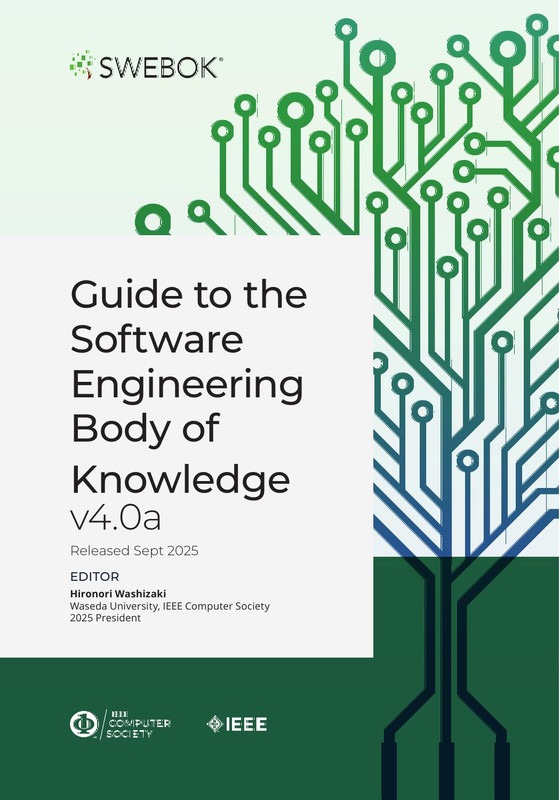
Software Engineering Body Knowledge
Software Engineering Body Knowledge provides a comprehensive framework for understanding modern software engineering principles, methodologies, and professional practices. This course explores the internationally recognized SWEBOK guide developed by the IEEE Computer Society, helping learners build strong foundations in software development, project management, quality assurance, and software lifecycle processes.
First, the course introduces the essential structure of the Software Engineering Body of Knowledge (SWEBOK). Then, it explains how software engineers apply systematic approaches to design, develop, test, and maintain reliable software systems. Moreover, learners gain practical insights into real-world engineering practices used by professional developers and technology organizations worldwide.
Furthermore, the training highlights key knowledge areas defined by the SWEBOK framework. As a result, students clearly understand how software engineering differs from general programming. In addition, the course emphasizes best practices, standards, and engineering discipline required to create scalable and maintainable software products.
What is the SWEBOK Framework?
The SWEBOK Guide, developed by the IEEE Computer Society, organizes the fundamental knowledge areas that every professional software engineer should understand. Therefore, it serves as a global reference standard for academic programs, software professionals, and certification bodies.
Unlike basic coding tutorials, this course focuses on engineering-level thinking. Consequently, learners study the full lifecycle of software development. From requirements analysis to software maintenance, each stage is explained in a clear and structured way.
Key Topics Covered in This Course
- Software Requirements Engineering
- Software Design Principles and Architecture
- Software Construction Techniques
- Software Testing and Quality Assurance
- Software Maintenance and Evolution
- Software Configuration Management
- Software Engineering Management
- Software Engineering Tools and Methods
- Software Development Processes
- Professional Practice and Engineering Ethics
Additionally, the course explains how modern development methodologies integrate with SWEBOK principles. For example, Agile development, DevOps workflows, and automated testing strategies are discussed alongside traditional engineering models. Therefore, learners understand both classical theory and modern industry practices.
Who Should Take This Course?
This course is ideal for aspiring software engineers, computer science students, IT professionals, and developers who want a deeper understanding of engineering-level software development. Likewise, professionals preparing for software engineering certifications will find this training extremely valuable.
Moreover, learners who want to transition from programming to professional software engineering roles can greatly benefit from this course. Because the SWEBOK guide represents industry standards, it helps learners align their skills with global software engineering practices.
Career Opportunities After Learning SWEBOK
After completing this course, learners can pursue several high-demand roles in the software industry. For instance, software engineer, systems architect, quality assurance engineer, DevOps engineer, and software project manager are common career paths. In addition, many technology companies value professionals who understand standardized engineering frameworks like SWEBOK.
Therefore, mastering the Software Engineering Body of Knowledge can significantly improve both technical expertise and career growth opportunities in the global technology sector.
Explore These Valuable Resources
- IEEE Computer Society SWEBOK Guide
- ISO Software Engineering Standards
- ACM Computing Curriculum Guidelines














Reviews
There are no reviews yet.