
Description
.
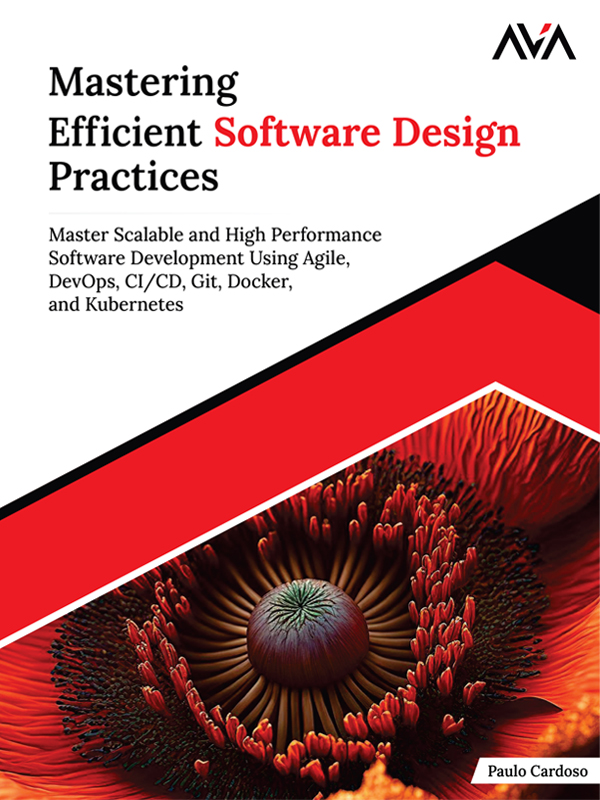
Mastering Efficient Software Design Practices
Efficient Software Design Practices — Learn how to design maintainable, scalable, and high-performing software systems using industry-proven principles, patterns, and pragmatic workflows.
Course Overview
“Mastering Efficient Software Design Practices” is a hands-on, practical course for software engineers, architects, and technical leads who want to produce cleaner code, better architecture, and faster delivery cycles. This course blends theory with real-world examples, live refactoring sessions, and end-to-end design exercises so you can immediately apply improvements to your projects.
What You Will Learn
- Core design principles: SOLID, DRY, KISS, YAGNI and when to apply them.
- Design patterns and anti-patterns with code examples and decision guidelines.
- Architecture strategies for modularity, extensibility, and testability.
- Practical refactoring techniques to improve legacy systems without breaking them.
- Performance-aware design: when to optimize and how to measure impact.
- Design reviews, code hygiene, and establishing team-level design standards.
Course Modules (Detailed)
- Module 1 — Foundations of Efficient DesignOverview of fundamental principles and their trade-offs. Short exercises to identify poor design and quick wins.
- Module 2 — Design Patterns in PracticeCommon patterns (creational, structural, behavioral) illustrated with language-agnostic examples and anti-pattern recognition.
- Module 3 — Architecture & System DesignLayering, modularization, domain boundaries, and microservice vs. monolith trade-offs. Real-world architecture case studies.
- Module 4 — Refactoring and Legacy ModernizationIncremental refactoring techniques, safety nets (tests, feature toggles), and strategies for technical debt reduction.
- Module 5 — Performance & ObservabilityDesign for performance: cache strategies, data flow analysis, instrumentation, and measuring ROI of optimizations.
- Module 6 — Team Practices & Design GovernanceHow to run effective design reviews, create style guides, and embed design thinking into sprint workflows.
- Capstone ProjectA guided project where learners redesign an existing system, present their architecture, and submit refactored code with tests and documentation.
Who Should Enroll
Mid-level to senior developers, engineering leads, system designers, and anyone responsible for delivering production-grade software who wants to improve design quality and team throughput.
Prerequisites & Duration
Prerequisites: Basic programming experience (2+ projects), familiarity with unit testing, and comfort reading code in at least one language.
Duration: 6 weeks (recommended), self-paced with weekly hands-on assignments and a final capstone. Includes downloadable resources and example repos.
Learning Outcomes
- Design systems that are easier to extend and maintain.
- Make informed trade-offs between simplicity, performance, and delivery speed.
- Lead design discussions and perform high-value refactorings safely.
- Create pragmatic design documentation and decision records to guide future work.
Instructor
Course taught by an industry practitioner with years of architecture and hands-on refactoring experience. The instructor shares real examples from enterprise systems and startups, plus a library of templates you can reuse.
Explore These Valuable Resources.
Enroll Now
Ready to design software with confidence? Enroll today to gain practical skills, downloadable templates, and one capstone review session with the instructor.












Reviews
There are no reviews yet.