
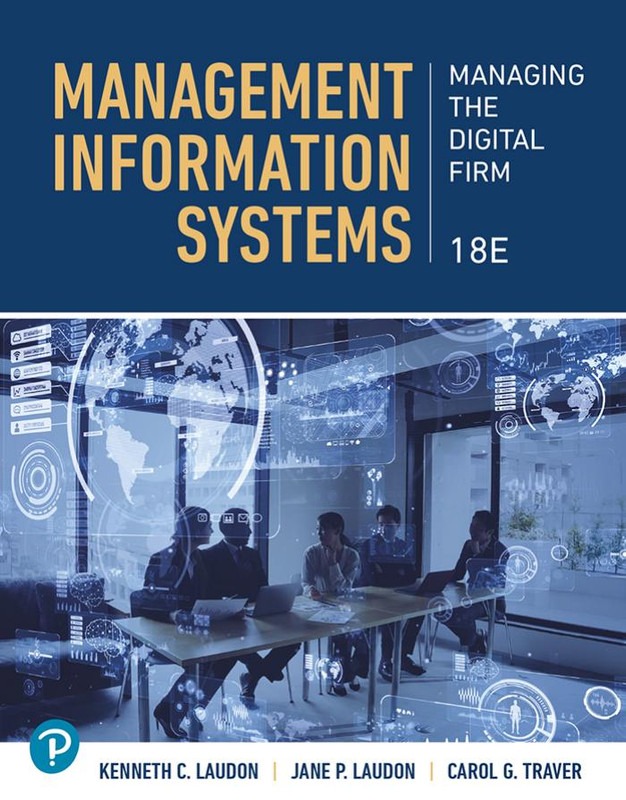
Description
Management Information Systems Managing
Management Information Systems Managing the digital firm equips professionals and students with the essential knowledge to understand how technology, data, and information systems support modern business decision-making. In today’s digital economy, organizations rely heavily on information systems to improve efficiency, enhance communication, and gain a competitive advantage. Therefore, this course explores how businesses use information technology to manage operations, analyze data, and transform digital strategies for long-term success.
What You’ll Learn
- Understand the core concepts of Management Information Systems (MIS).
- Learn how digital systems support business operations and management decisions.
- Explore enterprise systems, databases, and business intelligence tools.
- Analyze how organizations manage digital transformation and innovation.
- Understand cybersecurity, data management, and information governance.
- Evaluate the role of MIS in strategic planning and competitive advantage.
- Study real-world examples of companies using digital systems effectively.
Requirements
- Basic understanding of business concepts.
- Interest in digital technology and information systems.
- No advanced programming knowledge required.
- A computer or mobile device with internet access.
Description: Management Information Systems Managing
First, this course introduces the fundamentals of Management Information Systems and explains how organizations use information technology to improve productivity and decision-making. Moreover, you will understand the relationship between business strategy and information systems. As companies increasingly rely on digital platforms, MIS plays a critical role in managing information resources effectively.
Next, the course explores key components of modern information systems, including databases, enterprise systems, cloud computing, and business analytics. Additionally, you will learn how managers use data-driven insights to make strategic decisions. Because businesses operate in highly competitive environments, strong information systems help organizations innovate faster and respond quickly to market changes.
Furthermore, the course explains how digital transformation reshapes industries. For instance, organizations integrate advanced technologies such as artificial intelligence, big data, and automation to improve operational efficiency. Consequently, professionals who understand MIS become valuable assets to modern organizations.
In addition, the course discusses cybersecurity, ethical challenges, and data privacy issues. As digital systems expand, protecting information becomes essential. Therefore, managers must understand both the benefits and risks associated with digital information systems.
Finally, you will examine case studies that demonstrate how companies successfully implement MIS solutions. As a result, learners gain practical insights into how technology supports business growth and innovation.
Who This Course Is For
- Business students studying information systems or management.
- Professionals who want to understand digital business technologies.
- Managers looking to improve decision-making using data systems.
- Entrepreneurs who want to build technology-driven businesses.
- Anyone interested in how digital systems transform organizations.
Explore These Valuable Resources
- IBM Guide to Management Information Systems
- Oracle Information Management Overview
- CIO Explanation of Management Information Systems





Reviews
There are no reviews yet.