
Description
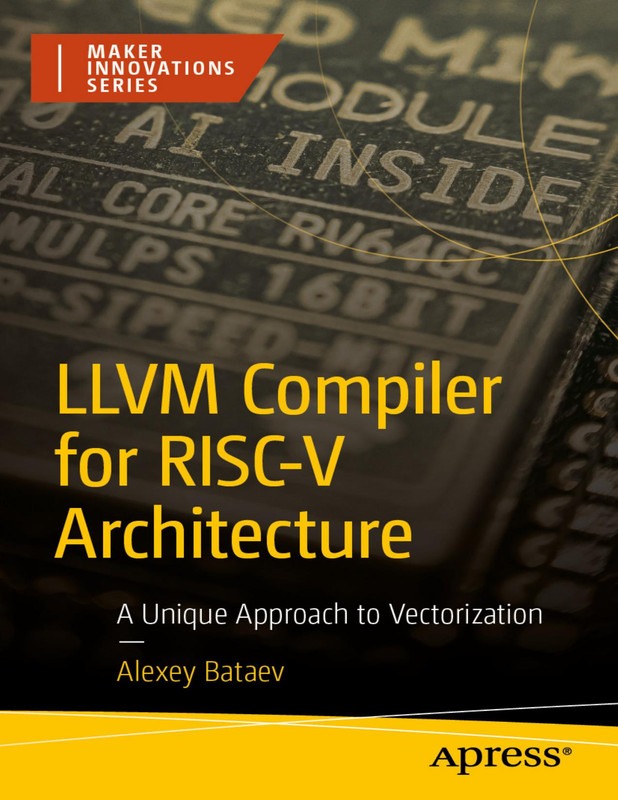
LLVM Compiler Design for RISC-V Architecture – Complete Backend Development Guide
LLVM Compiler Design for RISC-V Architecture is a comprehensive course that teaches you how to build, customize, and optimize compilers targeting the modern RISC-V instruction set architecture using the LLVM framework. This introduction is optimized for meta description use and clearly defines the course focus on practical compiler engineering for RISC-V systems.
Course Overview
The RISC-V ecosystem is rapidly growing across academia, embedded systems, IoT devices, and high-performance computing. At the heart of modern compiler infrastructure lies LLVM, a modular and reusable compiler toolchain technology used in production environments worldwide. This course bridges theory and real-world implementation by guiding you step-by-step through designing, extending, and optimizing LLVM for the RISC-V architecture.
You will explore LLVM’s internal architecture, intermediate representation (IR), code generation pipeline, and backend development process specifically tailored to RISC-V targets. Through practical examples, you will understand instruction selection, register allocation, scheduling, optimization passes, and machine code emission.
What You’ll Learn
- Fundamentals of compiler design and architecture
- Deep understanding of LLVM architecture and components
- Working with LLVM IR and optimization passes
- Designing and modifying an LLVM backend for RISC-V
- Instruction selection and pattern matching
- Register allocation strategies for RISC-V
- Code generation, linking, and debugging techniques
- Performance tuning and compiler optimization strategies
Description: LLVM Compiler Design for RISC-V Architecture
This course provides a structured roadmap to mastering LLVM backend development for RISC-V processors. Starting with compiler fundamentals, you’ll progress to exploring LLVM’s modular design, including Clang front-end integration, IR transformations, target descriptions, and machine code emission. Special emphasis is placed on understanding the RISC-V ISA, its register model, instruction formats, and extension mechanisms.
By the end of the program, you will be able to analyze compiler pipelines, extend target support, and implement optimization strategies that improve execution efficiency on RISC-V hardware. Whether you are working in embedded systems, research, or chip design, this course prepares you to build production-grade compiler solutions.
Requirements
- Strong programming knowledge in C or C++
- Basic understanding of data structures and algorithms
- Familiarity with computer architecture concepts
- Linux development environment experience recommended
Who This Course Is For
- Compiler engineers and systems programmers
- Embedded systems developers targeting RISC-V
- Computer science students specializing in systems design
- Researchers working on processor architecture or toolchains
Explore These Valuable Resources
Explore Related Courses
- Explore Related Courses
- Explore Related Courses
- Explore Related Courses
- Explore Related Courses
- Explore Related Courses
Mastering LLVM Compiler Design for RISC-V Architecture opens doors to advanced systems programming, processor development, and performance optimization roles. This course equips you with practical compiler engineering skills aligned with the future of open-standard computing architectures.
Reviews
There are no reviews yet.