
Description
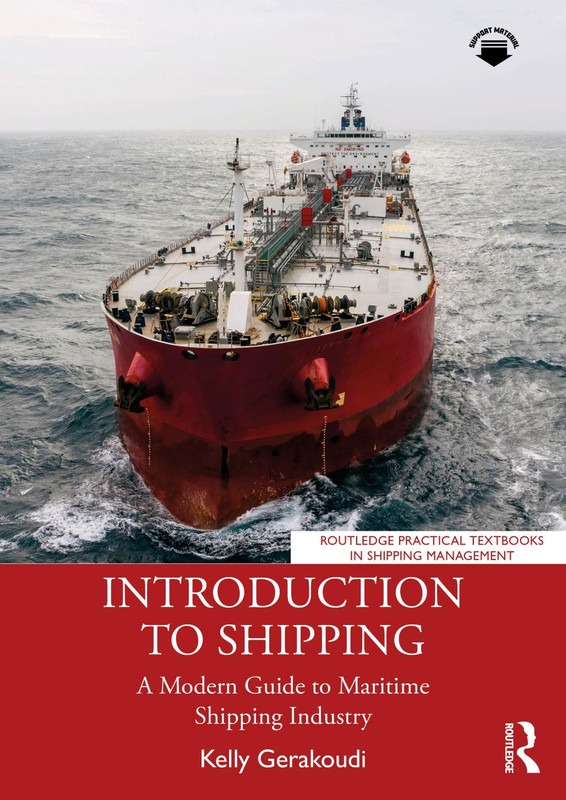
Modern Maritime Shipping Industry Guide – Introduction to Shipping
Modern Maritime Shipping Industry Guide is the perfect starting point for anyone who wants to understand the global shipping sector and how modern maritime logistics powers international trade. In today’s interconnected world, shipping plays a crucial role in transporting goods across continents. Therefore, learning the fundamentals of maritime operations, shipping logistics, and international trade systems can open doors to numerous career opportunities in global commerce.
The maritime shipping industry forms the backbone of global trade. Every day, thousands of cargo ships transport raw materials, manufactured goods, and energy resources across oceans. Moreover, shipping companies rely on efficient logistics, port management, and supply chain coordination to deliver goods safely and on time. Through this course, learners explore how modern shipping systems operate, how vessels move goods worldwide, and how ports manage cargo efficiently.
What You’ll Learn
- Understand the structure of the global maritime shipping industry
- Learn the basics of international shipping and logistics systems
- Explore the different types of cargo ships and their functions
- Understand port operations and cargo handling procedures
- Learn how maritime regulations ensure safe shipping operations
- Discover how global trade depends on efficient maritime transport
- Understand modern technologies used in shipping and logistics
- Explore career opportunities in the shipping and maritime sectors
Requirements
- Basic interest in global trade or logistics
- No prior maritime knowledge is required
- Willingness to learn about international shipping systems
- Basic understanding of business or economics is helpful but not required
Description: Modern Maritime Shipping Industry Guide
First of all, this course introduces the fundamentals of maritime shipping and explains how goods move across the world using ocean transport. Students begin by exploring the history of maritime trade. As a result, they gain valuable insights into how shipping evolved from traditional cargo vessels to advanced modern fleets.
Next, the course explains the major components of the shipping ecosystem. For example, learners study ship types such as container ships, bulk carriers, oil tankers, and specialized cargo vessels. Additionally, they explore how ports manage large volumes of cargo while maintaining efficiency and safety.
Furthermore, the course highlights the role of shipping in the global economy. Because more than 80% of international trade moves by sea, maritime logistics plays an essential role in supply chain management. Therefore, students understand how shipping companies coordinate routes, schedules, and cargo distribution.
In addition, learners discover how modern technology improves maritime operations. Digital tracking systems, automated ports, and advanced navigation tools help companies reduce delays and improve safety. Consequently, the industry continues to grow with innovations in smart shipping and maritime data systems.
Finally, the course explores potential career paths in the maritime industry. For instance, students may pursue roles in logistics management, shipping operations, port administration, maritime law, or international trade consulting.
Explore These Valuable Resources:
- International Maritime Organization (IMO)
- UNCTAD Maritime Transport Insights
- Marine Insight – Shipping Industry Knowledge
Explore Related Courses:
- Explore Related Courses
- Explore Related Courses
- Explore Related Courses
- Explore Related Courses
- Explore Related Courses
Who This Course Is For
- Students interested in global trade and logistics
- Professionals who want to understand maritime shipping operations
- Entrepreneurs involved in import-export businesses
- Anyone curious about how international shipping systems work
- Individuals exploring careers in the maritime industry
Overall, this course provides a comprehensive introduction to shipping and the maritime industry. Moreover, it explains complex shipping systems in a simple and practical way. Therefore, learners gain the knowledge needed to understand global shipping operations and the role maritime transport plays in international trade.









Reviews
There are no reviews yet.