
Description
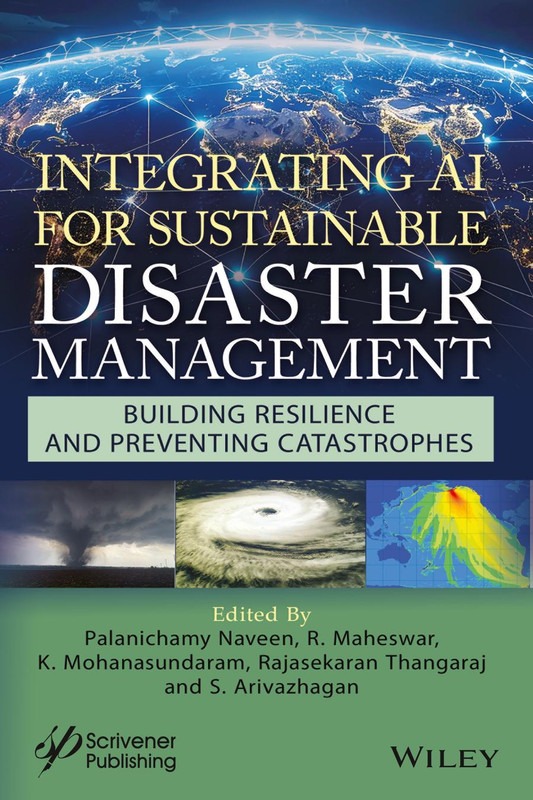
Integrating AI for Sustainable Disaster Management – Building Resilience and Preventing Catastrophes
AI Disaster Management Solutions are transforming how governments, organizations, and communities predict disasters, reduce risks, and build long-term resilience against natural and human-made catastrophes.
Disasters such as floods, earthquakes, hurricanes, and wildfires threaten millions of lives every year. However, modern technologies now offer powerful tools to reduce their impact. This comprehensive course, Integrating AI for Sustainable Disaster Management: Building Resilience and Preventing Catastrophes, teaches how artificial intelligence can improve disaster preparedness, response, and recovery.
First, learners explore the fundamentals of disaster risk management and understand why sustainability matters in emergency planning. Next, the course introduces practical AI techniques that analyze environmental data, forecast potential disasters, and support faster decision-making. As a result, professionals can create smarter disaster response strategies that save lives and protect infrastructure.
Moreover, this course highlights real-world applications where AI already supports governments and humanitarian organizations. For example, predictive analytics can identify high-risk regions, while machine learning algorithms analyze satellite imagery to detect early warning signs. Consequently, decision makers gain accurate insights before disasters escalate.
What You Will Learn
- Understand the core principles of sustainable disaster management
- Learn how artificial intelligence improves disaster prediction and prevention
- Analyze environmental and climate data using AI tools
- Develop resilient disaster response strategies
- Apply AI solutions for early warning systems and crisis monitoring
- Study real-world case studies of AI-driven disaster management
Why AI Matters in Disaster Management
Traditional disaster response methods often react after damage occurs. However, AI changes this approach completely. By analyzing massive datasets from weather systems, satellite imagery, and sensor networks, AI models detect patterns that humans cannot easily recognize. Therefore, emergency agencies can respond earlier and prevent large-scale losses.
Additionally, AI-powered systems support sustainable planning. For instance, city planners can identify vulnerable infrastructure and reinforce it before disasters strike. Likewise, humanitarian organizations can allocate resources efficiently during crisis situations.
Who Should Take This Course
- Disaster management professionals
- Environmental scientists and climate researchers
- Government policy makers
- AI and data science enthusiasts
- Urban planners and sustainability experts
Course Benefits
By the end of this training, students will understand how to combine artificial intelligence with sustainability strategies to reduce disaster risks. Furthermore, learners will gain practical knowledge that can be applied in real emergency management scenarios. Consequently, this course helps professionals build resilient communities while minimizing environmental and economic damage.
Explore These Valuable Resources
- United Nations Office for Disaster Risk Reduction
- International Red Cross Disaster Response
- NASA Climate Change and Earth Data
Explore Related Courses
- Explore Related Courses
- Explore Related Courses
- Explore Related Courses
- Explore Related Courses
- Explore Related Courses
Ultimately, integrating artificial intelligence into disaster management represents one of the most promising innovations of our time. Therefore, professionals who understand these technologies will play a crucial role in protecting communities and building a safer, more resilient future.








Reviews
There are no reviews yet.