
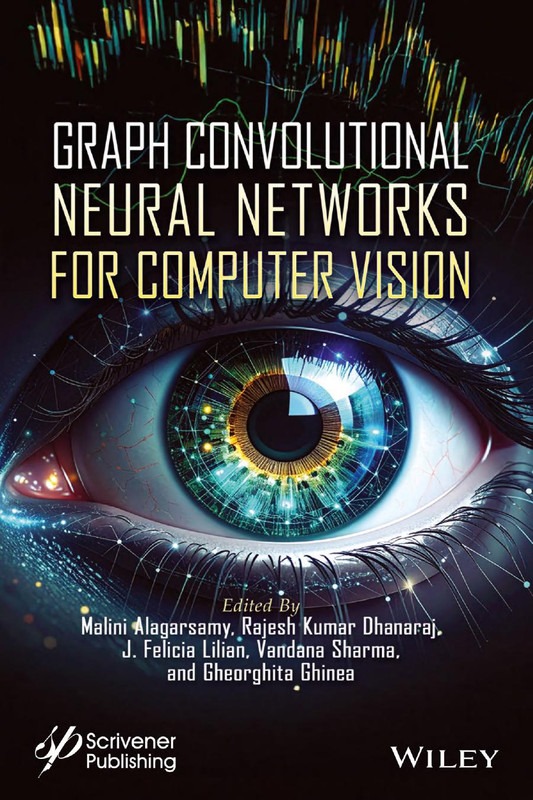
Description
Graph Convolutional Neural Networks Computer Vision
Graph Convolutional Neural Networks Computer Vision training helps learners understand how graph-based deep learning models analyze complex visual data, recognize patterns, and solve advanced computer vision challenges efficiently.
Computer vision continues to evolve rapidly as researchers develop smarter algorithms that understand images and videos more effectively. Graph Convolutional Neural Networks (GCNNs) represent one of the most powerful innovations in this field. Unlike traditional convolutional neural networks that operate on regular grid data, GCNNs process data represented as graphs. Consequently, they capture relationships between objects, pixels, and regions in ways that traditional CNNs cannot.
This comprehensive course introduces learners to the fundamentals of graph theory, deep learning, and computer vision. First, you will explore how graphs represent complex relationships in visual data. Next, you will learn how graph convolution operations work and how they extend classical neural networks. Furthermore, the course explains how researchers apply GCNNs to tasks such as image segmentation, scene understanding, and object detection.
Moreover, practical examples guide you through implementing models using modern deep learning frameworks. As a result, you will gain both theoretical understanding and practical experience. By the end of the course, you will confidently design, train, and evaluate graph-based neural networks for real-world computer vision applications.
What You Will Learn
- Fundamentals of graph theory for machine learning
- Core principles of Graph Convolutional Neural Networks
- How GCNNs differ from traditional convolutional networks
- Applying graph-based learning to computer vision problems
- Advanced techniques for image segmentation and object recognition
- Implementing GCNN models using popular deep learning libraries
- Optimizing performance and improving model accuracy
Why Learn Graph Convolutional Neural Networks?
Modern computer vision systems increasingly rely on complex relational data. Therefore, traditional neural networks often struggle to capture those relationships effectively. GCNNs solve this limitation by representing visual information as structured graphs. Consequently, models can learn richer spatial and semantic relationships.
Additionally, industries such as robotics, healthcare imaging, autonomous driving, and surveillance actively adopt these technologies. Thus, mastering graph neural networks gives professionals a strong advantage in AI research and advanced machine learning roles.
Who Should Take This Course?
- Machine learning engineers
- Computer vision researchers
- AI developers
- Data scientists working with visual data
- Students interested in deep learning innovation
Skills You Will Gain
- Graph-based deep learning architecture design
- Advanced computer vision model development
- Deep learning optimization techniques
- Real-world AI problem solving
Explore These Valuable Resources
- Introduction to Graph Neural Networks
- PyTorch Geometric Documentation
- Graph Convolutional Network Research Papers
Explore Related Courses
- Explore Related Courses
- Explore Related Courses
- Explore Related Courses
- Explore Related Courses
- Explore Related Courses
In conclusion, this course provides a powerful pathway into the world of advanced AI research. Not only will you understand the theory behind graph neural networks, but you will also learn how to build real-world solutions for complex computer vision tasks. Therefore, if you want to stay ahead in the rapidly evolving field of artificial intelligence, mastering Graph Convolutional Neural Networks is an essential step.
Reviews
There are no reviews yet.