
Description
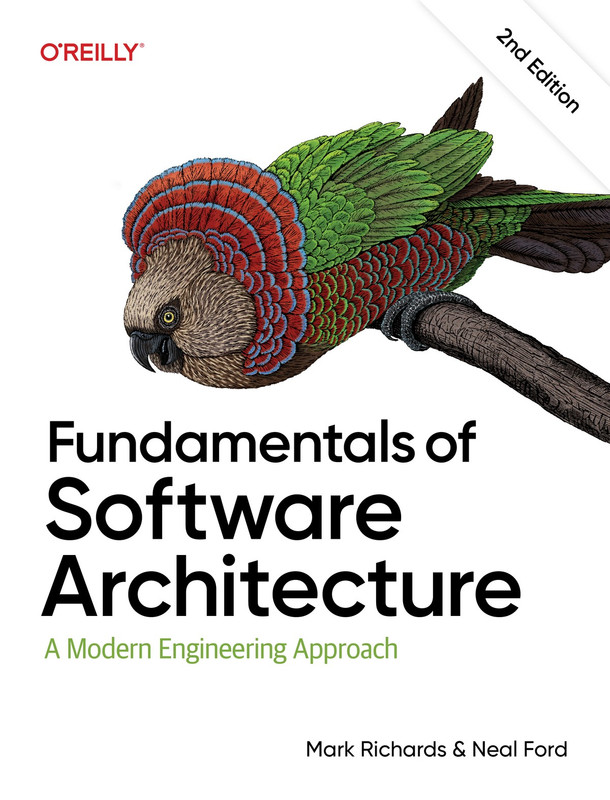
Fundamentals of Software Architecture
Software Architecture Fundamentals — a practical, hands-on course designed to give developers, technical leads, and architects the core knowledge and patterns required to design robust, scalable, and maintainable software systems.
Course Overview
This course covers the essential principles, patterns, and practices of software architecture. Through a mix of conceptual lectures, real-world case studies, and guided design exercises, learners will develop the ability to evaluate architectural trade-offs, select appropriate patterns, and communicate designs effectively to stakeholders.
What You’ll Learn
- Core principles of software architecture: separation of concerns, modularity, layering, and encapsulation.
- Common architectural patterns: layered (n-tier), microservices, event-driven, client-server, and hexagonal architectures.
- Design for non-functional requirements: performance, scalability, reliability, security, and maintainability.
- Techniques for documenting and communicating architecture: diagrams, ADRs (Architecture Decision Records), and patterns catalogues.
- Approaches to migration and refactoring of legacy systems.
- Trade-off analysis and evaluating architecture using scenarios and risk-based thinking.
Who Should Attend
This course is ideal for software developers, senior engineers, technical leads, solutions architects, and engineering managers who want to formalize and expand their architecture knowledge. It’s also suitable for DevOps engineers and product managers involved in technical decision-making.
Prerequisites
A working knowledge of at least one programming language and basic experience building or maintaining software applications is recommended. Familiarity with web services, databases, and version control (e.g., Git) will help you get the most from the course.
Course Syllabus (Modules)
- Introduction to Software Architecture — roles, responsibilities, and the architect’s mindset.
- Architectural Fundamentals — quality attributes, coupling & cohesion, and architectural styles.
- Design Patterns & Best Practices — componentization, APIs, layering, and patterns catalogue.
- Microservices & Distributed Systems — service boundaries, communication patterns, data management, and consistency models.
- Event-Driven & Reactive Systems — events, messaging, asynchronous processing, and scalability strategies.
- Non-Functional Requirements — performance, reliability, security practices, and observability.
- Architecture Documentation & Governance — diagrams, ADRs, decision making, and architecture reviews.
- Migration & Legacy Modernization — strangler pattern, incremental migration, and risk mitigation.
- Capstone Project — design, present, and defend an architecture for a realistic system.
Learning Outcomes
By the end of the course, participants will be able to:
- Define clear architecture goals aligned with business needs.
- Choose and justify architectural patterns for real problems.
- Document architecture decisions in a concise, reproducible way.
- Assess trade-offs for scalability, performance, and maintainability.
- Plan and execute incremental architecture improvements in production systems.











Reviews
There are no reviews yet.