
Description
Course Overview
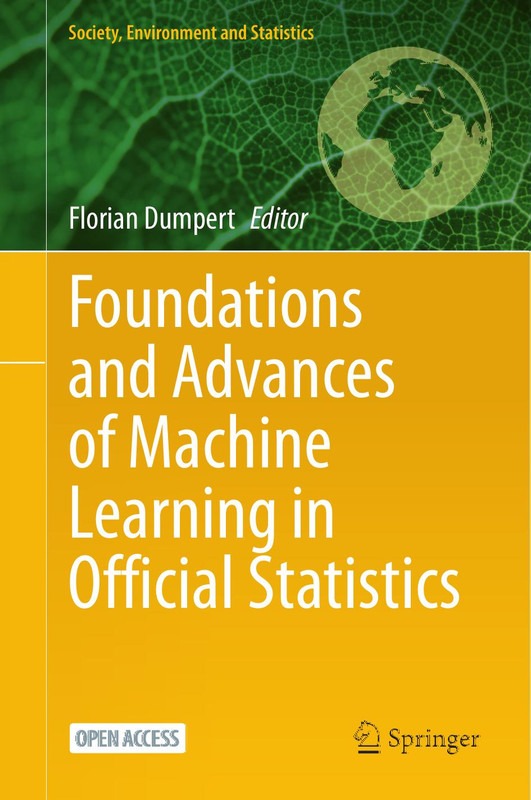
The Foundations and Advances of Machine Learning in Official Statistics course is designed to bridge the gap between traditional statistical methodologies and cutting-edge machine learning approaches. As data volumes grow and data sources diversify—including administrative data, big data, and alternative data—statistical organizations must adopt advanced analytical tools to maintain accuracy, timeliness, and relevance.
This course provides both conceptual foundations and practical insights into how machine learning is applied across the statistical production lifecycle. Learners will gain a clear understanding of supervised and unsupervised learning, model validation, bias detection, explainability, and ethical considerations specific to official statistics.
What You Will Learn
- Core principles of machine learning and their relevance to official statistics
- Applications of classification, regression, and clustering in statistical production
- Use of machine learning for data editing, imputation, and anomaly detection
- Managing data quality, transparency, and reproducibility in ML-driven systems
- Governance, ethics, and trust when using AI in public-sector statistics
Curriculum Highlights
The curriculum begins with the foundations of machine learning, covering essential algorithms and evaluation techniques. It then advances to real-world applications such as population statistics, price indices, labor force surveys, and administrative data integration. Special emphasis is placed on model interpretability, risk management, and alignment with international statistical standards.
Who This Course Is For
This course is ideal for statisticians, data scientists, economists, policy analysts, and professionals working in national statistical offices, central banks, research institutions, and international organizations. It is also well-suited for students and researchers seeking to understand how AI and machine learning are responsibly applied in official data production.
Practical Outcomes and Skills
By the end of the course, learners will be able to assess when and how machine learning methods can enhance official statistics, communicate results transparently to stakeholders, and contribute to modern, data-driven statistical systems. The course equips participants with the knowledge needed to support innovation while maintaining public trust and statistical integrity.
Explore These Valuable Resources
- OECD – Machine Learning and Official Statistics
- United Nations Statistics Division
- World Bank – Data Science and Statistics


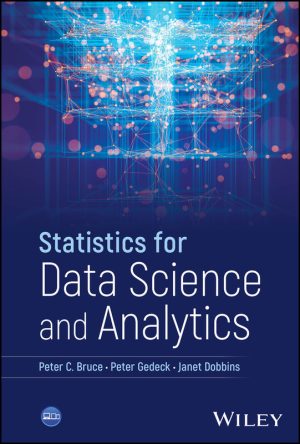

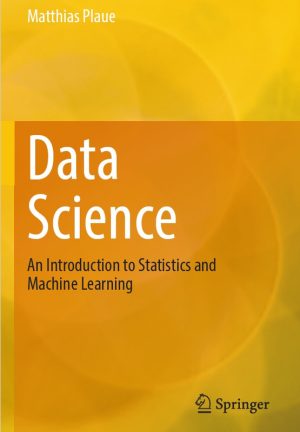
Reviews
There are no reviews yet.