
Description
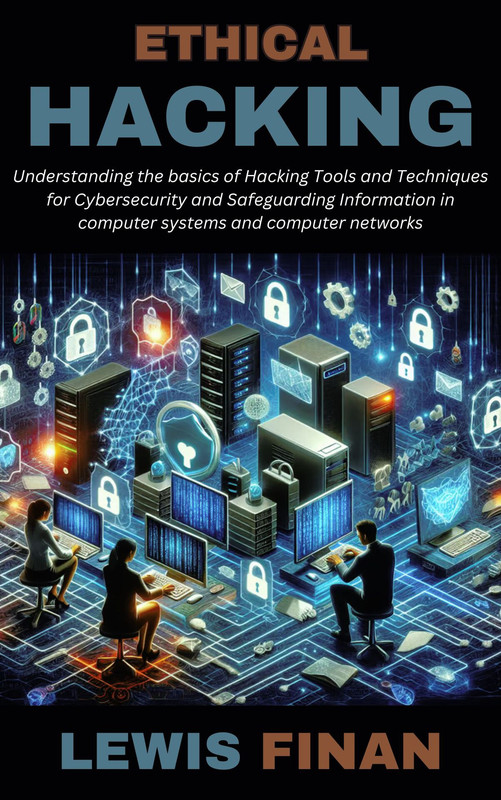
Ethical Hacking: Understanding the Basics of Hacking Tools and Techniques
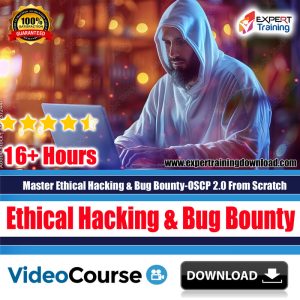
Ethical Hacking Tools and Techniques — Learn foundational principles, common attack vectors, and the hands-on tools used by security professionals to discover and remediate vulnerabilities. This compact, practical course is designed to give beginners a safe, legal, and structured introduction to ethical hacking concepts and workflows.
Course Overview
This course covers the essential concepts and toolsets used in ethical hacking and penetration testing. You will gain a clear understanding of the ethical and legal boundaries of security testing, learn to perform basic reconnaissance, scanning, vulnerability identification, and basic exploitation in controlled lab environments. The emphasis is on practical, repeatable techniques and defensive follow-up actions to harden systems after testing.
Who Should Enroll
- IT professionals and system administrators wanting to understand attacker techniques.
- Beginner security enthusiasts seeking a practical introduction to penetration testing tools.
- Students preparing for entry-level cybersecurity roles or certifications.
- Developers who want to build more secure applications by understanding common vulnerabilities.
What You’ll Learn
- Legal and ethical considerations for responsible security testing.
- Information gathering and reconnaissance techniques (OSINT).
- Network and host scanning using industry-standard tools.
- Vulnerability discovery and basic exploitation principles.
- Using Metasploit, Nmap, Wireshark, and other foundational tools safely.
- How to document findings and recommend remediation steps.
Course Modules (Detailed)
- Module 1 — Introduction & Legal Framework: Ethics, laws, scope definition, responsible disclosure.
- Module 2 — Reconnaissance & OSINT: Passive and active information gathering, social engineering basics.
- Module 3 — Scanning & Enumeration: Nmap techniques, port/service fingerprinting, host discovery.
- Module 4 — Vulnerability Analysis: Using scanners, manual verification, CVE basics, risk rating.
- Module 5 — Exploitation Basics: Safe lab exploitation, Metasploit fundamentals, privilege escalation concepts.
- Module 6 — Traffic Analysis & Forensics: Wireshark fundamentals, capturing and interpreting network traffic.
- Module 7 — Reporting & Remediation: Writing clear technical reports, prioritized remediation strategies.
Hands-on Labs & Tools
Practical labs use virtualized lab environments so you can practice without risk. Tools introduced include Nmap, Wireshark, Metasploit Framework, Burp Suite (community edition), and common OSINT tooling. Each lab includes step-by-step exercises, sample commands, and a guide to safe, repeatable testing.
Prerequisites
Basic familiarity with computer networking (IP addressing, TCP/UDP), comfortable using a command line, and a willingness to follow ethical rules. No prior hacking experience required.
Delivery, Duration & Assessment
Self-paced lessons with downloadable lab guides, optional instructor-led sessions, and hands-on lab validation tasks. Expect ~12–20 hours of content plus lab time. Assessment includes practical lab checkpoints and a final practical exercise with a reporting requirement.
Benefits & Career Paths
Completing this course prepares you for junior roles in cybersecurity, SOC triage, or to continue toward certifications and advanced penetration testing studies. Graduates gain a strong practical foundation and the ability to think like an attacker while remaining within the law.
Explore These Valuable Resources.
Explore Related Courses
Build your learning path by visiting these related collections on our site:
Frequently Asked Questions
- Is this course legal?
- Yes — all training is performed in controlled lab environments and emphasizes legal, ethical testing practices and responsible disclosure.
- Do I need special hardware?
- No. A basic modern laptop capable of running virtual machines is sufficient; lab images and setup instructions are provided.









Reviews
There are no reviews yet.