
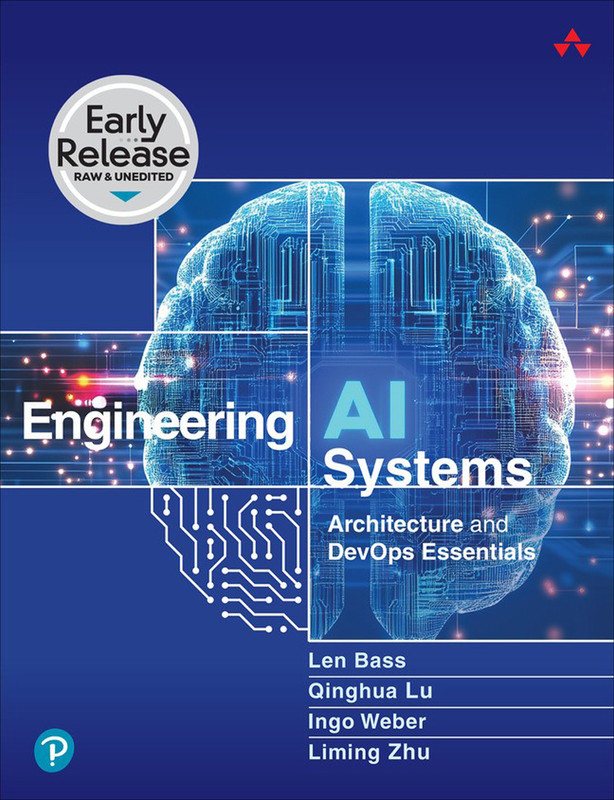
Description
Engineering AI Systems: Architecture and DevOps Essentials
Engineering AI Systems Architecture and DevOps — Master the design, deployment, and operationalization of production AI systems.
Course Overview
This hands-on course, Engineering AI Systems: Architecture and DevOps Essentials, teaches engineers, architects and DevOps practitioners how to design robust AI system architectures and run them reliably in production.
Through practical labs and real-world case studies you’ll learn MLOps best practices, model CI/CD, scalable cloud architecture patterns, observability, and governance strategies needed to move AI projects from prototype to production.
Who Should Attend
- Machine Learning engineers and data scientists who want production-ready deployment skills.
- Software engineers and DevOps engineers shifting toward MLOps responsibilities.
- Solution architects and technical leads planning AI infrastructure and governance.
- Engineering managers who must evaluate trade-offs between model performance, cost and reliability.
Learning Outcomes
- Design scalable AI system architectures for batch and real-time inference.
- Implement CI/CD pipelines that include model training, validation, and deployment stages.
- Set up monitoring, alerting and drift detection for models in production.
- Apply containerization and orchestration for reproducible model delivery.
- Adopt governance, data privacy, and security practices appropriate for AI workloads.
Course Modules (Detailed)
- Foundations: AI system lifecycle, stakeholders, success metrics, and common failure modes.
- Architecture Patterns: Microservices, feature stores, streaming vs batch inference, design trade-offs for latency, throughput and cost.
- Reproducibility & CI for Models: Versioning datasets & code, reproducible environments, automated model testing.
- Model Training Pipelines: Orchestration with pipelines, data validation, hyperparameter tuning and resource management.
- Deployment & Orchestration: Containerization, Kubernetes patterns, serverless inference, autoscaling and canary strategies.
- Observability & Reliability: Metrics, logs, traces, model performance monitoring, drift detection, and incident playbooks.
- Security & Governance: Access control, data privacy, auditing, model lineage and regulatory considerations.
- Capstone Project: Build and deploy an end-to-end AI system from data ingestion to monitored production inference.
Course Format & Prerequisites
Format: Instructor-led tutorials, guided hands-on labs, downloadable templates, and a capstone project. Estimated effort: 6–8 hours/week.
Prerequisites: Basic Python, familiarity with machine learning concepts (supervised learning), and comfort using the command line.
Tools & Technologies Covered
Typical tools introduced in course labs include containerization (Docker), orchestration (Kubernetes), CI/CD systems, common MLOps frameworks, cloud services for compute and storage, model monitoring libraries, and feature stores.
Assessment & Certification
Students are assessed via lab deliverables, a short multiple-choice exam, and the capstone project. Successful participants receive a certificate of completion highlighting practical, production-ready AI system skills.
Instructor
The instructor is an industry practitioner with hands-on experience building and operating AI systems at scale, combining software engineering, data science and DevOps disciplines.
Explore These Valuable Resources.
- TensorFlow (official) — models, serving, and tooling.
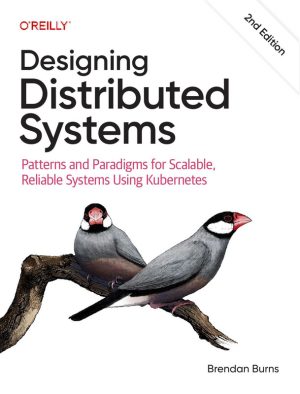
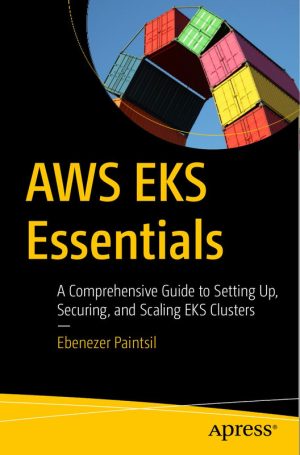
- Kubernetes — orchestration patterns for scalable deployments.
- MLOps Community — best practices, talks and community guides.





Reviews
There are no reviews yet.