
Description
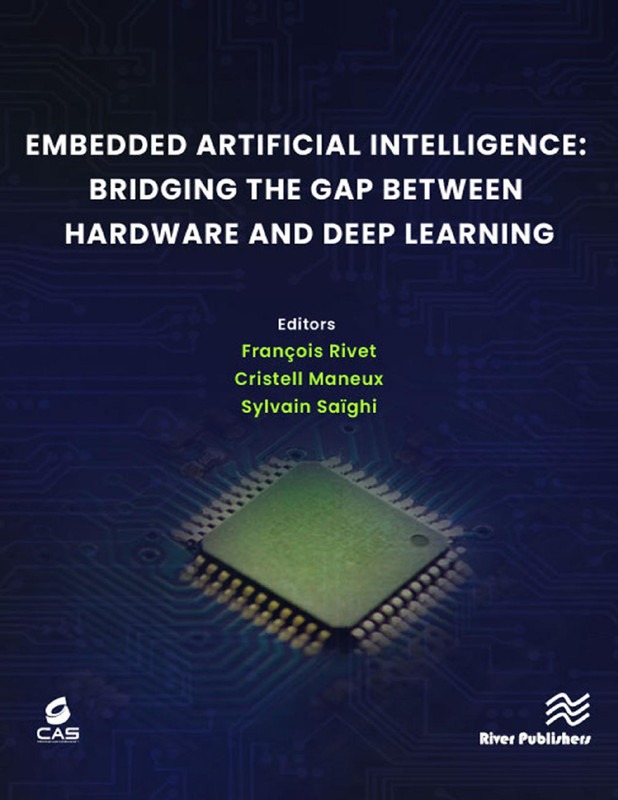
Embedded Artificial Intelligence: Bridging the Gap Between Hardware and Deep Learning
Embedded Artificial Intelligence Systems are transforming how smart devices operate by combining powerful hardware with advanced deep learning algorithms. This course explores how embedded AI systems integrate hardware, sensors, and machine learning models to create intelligent devices capable of real-time decision making. As industries rapidly adopt edge computing, learning how embedded AI works will help developers, engineers, and technology enthusiasts build efficient and scalable smart solutions.
Throughout this course, you will discover how embedded systems process data locally, which reduces latency and improves performance. Moreover, you will understand how hardware acceleration, optimized neural networks, and efficient programming techniques enable artificial intelligence to run on small devices such as microcontrollers and IoT hardware. Consequently, learners gain practical knowledge that bridges the gap between traditional embedded programming and modern deep learning frameworks.
What You’ll Learn
- Understand the fundamentals of embedded systems and artificial intelligence integration
- Learn how deep learning models run efficiently on edge devices
- Explore microcontrollers, sensors, and hardware acceleration for AI applications
- Optimize neural networks for low-power devices and IoT systems
- Deploy machine learning models on embedded platforms
- Build real-world AI applications for robotics, smart devices, and automation
- Analyze performance, memory usage, and power consumption in embedded AI projects
Requirements
- Basic understanding of programming concepts
- Interest in artificial intelligence, embedded systems, or IoT development
- Familiarity with Python or C/C++ is helpful but not mandatory
- A computer capable of running development tools for machine learning
Description: Embedded Artificial Intelligence Systems
This course provides a comprehensive guide to building intelligent embedded systems. First, learners explore the fundamentals of embedded hardware including microcontrollers, sensors, and system architectures. Next, the course explains how machine learning and deep learning models can operate on limited hardware resources. As a result, students understand how to optimize algorithms for real-time inference.
Additionally, the training demonstrates how edge AI reduces dependence on cloud computing while improving security and speed. Developers will learn techniques to compress models, reduce memory consumption, and increase processing efficiency. Furthermore, the course introduces frameworks that simplify deploying neural networks on embedded devices.
By the end of the course, students will confidently design smart embedded systems capable of image recognition, sensor analysis, and automated decision making. Therefore, this course helps bridge the knowledge gap between hardware engineering and artificial intelligence development.
Who This Course Is For
- Embedded systems engineers who want to integrate AI into hardware projects
- Software developers interested in edge AI and IoT technologies
- AI enthusiasts looking to deploy machine learning models on devices
- Students studying robotics, automation, or electronics
- Technology professionals exploring smart device development
Explore These Valuable Resources
- TensorFlow Lite for Edge AI Development
- NVIDIA Embedded Computing Resources
- ARM AI and Machine Learning Solutions








Reviews
There are no reviews yet.