
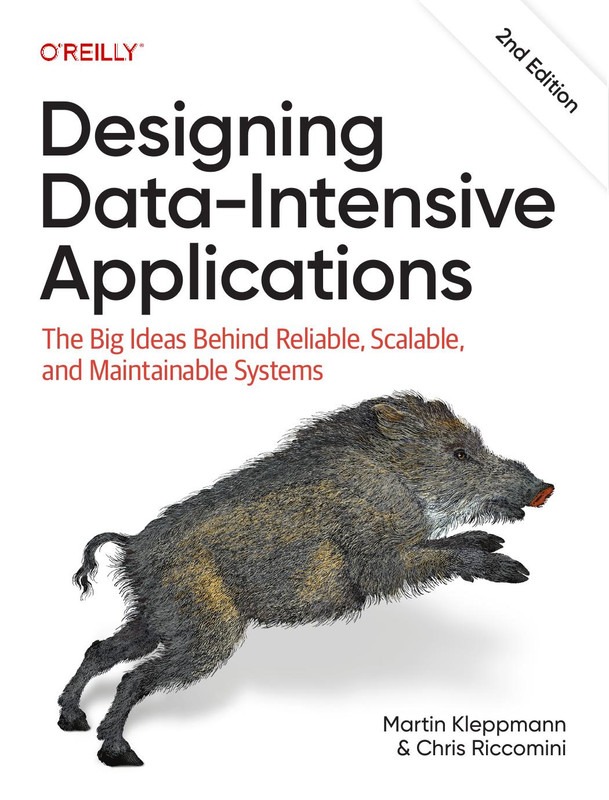
Description
Designing Data-Intensive Applications Course
Designing Data-Intensive Applications Course teaches developers, engineers, and architects how to design scalable, reliable, and maintainable systems that handle massive volumes of data efficiently. In today’s digital world, organizations rely heavily on data-driven applications; therefore, understanding how to build systems that process, store, and analyze data at scale has become an essential skill for modern software professionals.
Throughout this course, you will explore the fundamental principles behind distributed systems, scalable architectures, and modern data infrastructure. Moreover, you will learn how companies like large technology platforms manage huge datasets while maintaining performance, reliability, and security. As a result, this training helps you develop practical knowledge to design systems that perform efficiently under heavy workloads.
What You’ll Learn
- Understand the core concepts behind data-intensive system architecture
- Learn how databases, caching systems, and message queues work together
- Design scalable systems capable of handling large-scale traffic
- Implement fault-tolerant and highly available architectures
- Explore consistency models, replication strategies, and partitioning
- Understand batch processing, stream processing, and real-time data pipelines
- Build modern distributed systems used in large-scale technology companies
Requirements
- Basic knowledge of programming concepts
- Familiarity with databases and software development
- Interest in backend development, distributed systems, or data engineering
- No advanced infrastructure knowledge required
Description : Designing Data-Intensive Applications Course
Modern applications must handle huge amounts of data while remaining fast and reliable. Therefore, developers need a strong understanding of system design principles. This course explains how large-scale systems operate and how engineers design them to remain stable even when millions of users access them simultaneously.
First, you will learn how different types of databases function and why engineers choose specific technologies for particular use cases. Next, the course explains concepts such as replication, partitioning, and fault tolerance. Consequently, you will understand how distributed systems maintain data consistency while still providing high availability.
Furthermore, the course introduces modern data processing techniques including batch processing, event-driven architecture, and stream processing. These technologies allow organizations to analyze massive datasets quickly and efficiently. In addition, you will learn how messaging systems, caching layers, and indexing strategies improve application performance.
Finally, the course explores real-world architectural patterns used by large-scale technology companies. As a result, you will gain practical insight into designing systems that remain scalable, resilient, and maintainable over time.
Who This Course Is For
- Software developers who want to understand scalable system architecture
- Backend engineers interested in distributed systems
- Data engineers working with large-scale data pipelines
- Cloud engineers designing high-performance infrastructure
- Computer science students learning modern system design






Reviews
There are no reviews yet.