
Description
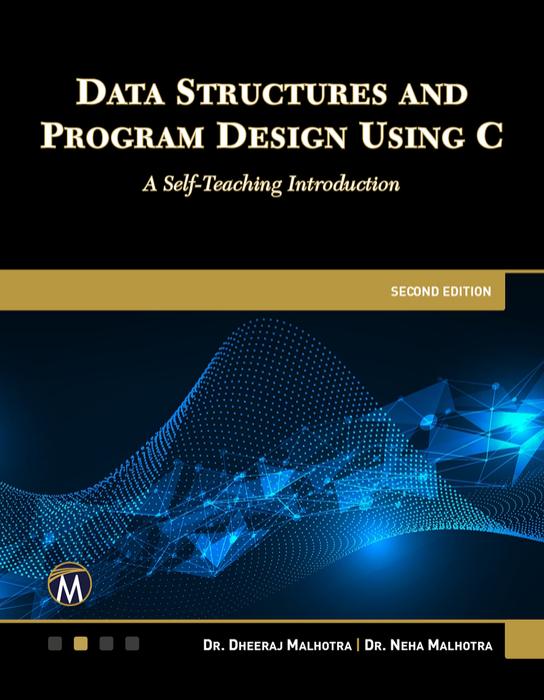
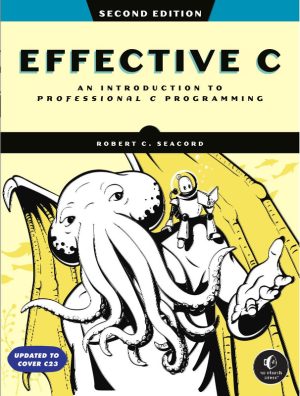
Data Structures and Program Design Using C Second Edition
C Data Structures Programming is an essential skill for anyone who wants to master efficient software development and algorithm design. In this comprehensive course, you will learn how to implement powerful data structures and apply program design techniques using the C programming language. Moreover, the course focuses on practical understanding, helping you develop the ability to build optimized programs, manage memory effectively, and solve complex computational problems using structured logic.
Throughout this course, learners explore the foundations of programming logic while gradually progressing toward advanced data structure concepts. First, the course explains the fundamentals of the C language and its syntax. Then, it introduces essential concepts such as arrays, linked lists, stacks, queues, trees, and graphs. Consequently, students gain a strong conceptual understanding and practical experience in implementing algorithms. In addition, the course emphasizes problem-solving skills, which are essential for software engineering, competitive programming, and technical interviews.
What You’ll Learn
- Understand the core concepts of data structures and algorithm design.
- Write efficient programs using the C programming language.
- Implement arrays, linked lists, stacks, and queues.
- Design and manage tree and graph data structures.
- Apply sorting and searching algorithms to real-world problems.
- Develop optimized program structures using modular programming.
- Improve debugging and program analysis skills.
Requirements
- Basic understanding of programming concepts.
- Interest in software development and algorithm design.
- Access to a computer capable of running a C compiler.
- Willingness to practice coding exercises regularly.
Description: C Data Structures Programming
This course provides a structured approach to learning data structures using the C language. Initially, students begin with a review of programming fundamentals, including variables, loops, and functions. After that, the course gradually introduces dynamic memory management and pointer operations, which play a crucial role in building advanced data structures.
Furthermore, the course explains how different data structures work internally. For instance, you will learn how stacks support function calls and how queues help manage scheduling tasks. Similarly, trees and graphs are introduced to represent hierarchical and network relationships. As a result, learners develop the ability to analyze algorithm efficiency and optimize program performance.
Additionally, practical coding examples help reinforce every concept. Therefore, learners not only understand theoretical principles but also gain hands-on experience in implementing algorithms. By the end of the course, you will confidently design programs that solve complex problems efficiently.
Who This Course Is For
- Computer science students learning data structures.
- Beginners who want to master programming in C.
- Software developers preparing for coding interviews.
- Engineers interested in algorithm optimization.
- Anyone pursuing a career in software development.
Explore These Valuable Resources
- Complete Guide to Data Structures
- Data Structures Tutorials and Examples
- Data Structures and Algorithms Learning Hub





Reviews
There are no reviews yet.