
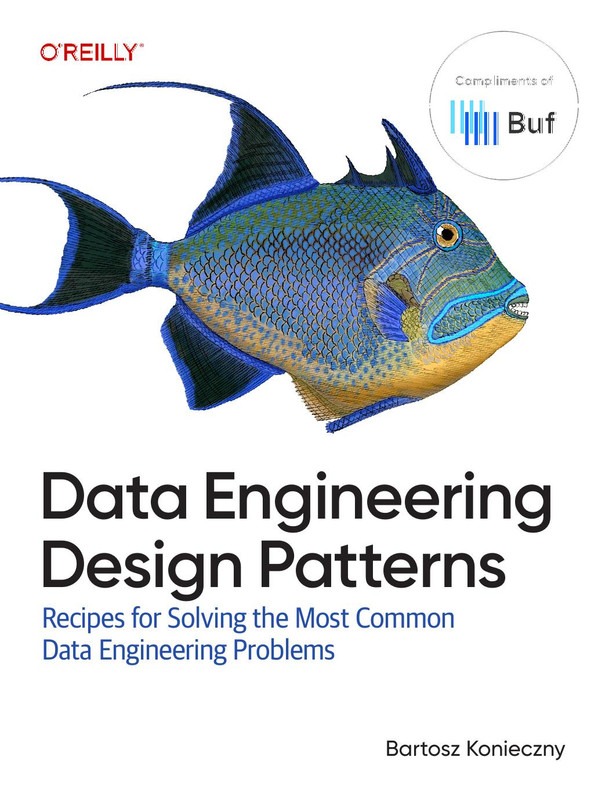
Description
Data Engineering Design Patterns Course
Data Engineering Design Patterns help developers and data professionals build scalable, reliable, and efficient data pipelines for modern data-driven organizations. In this course, you will explore proven architecture strategies that simplify complex data workflows while improving performance and maintainability. Moreover, the course explains how data engineers design pipelines, manage data processing systems, and implement reusable patterns that support big data platforms and analytics solutions.
What You’ll Learn
- Understand core principles of data engineering architecture and system design.
- Apply common data engineering design patterns used in real-world projects.
- Design scalable batch and streaming data pipelines.
- Improve reliability and fault tolerance in data processing systems.
- Organize data workflows using reusable and modular patterns.
- Optimize ETL and ELT processes for large-scale data environments.
- Implement monitoring, logging, and testing strategies for data pipelines.
- Design cloud-based data infrastructure using modern data platforms.
Requirements
- Basic understanding of databases and SQL.
- Familiarity with programming concepts such as Python or Java.
- Basic knowledge of data analytics or data science concepts.
- Interest in big data systems and scalable data infrastructure.
Description : Data Engineering Design Patterns
Modern organizations rely heavily on data pipelines to process, analyze, and transform massive volumes of information. Therefore, understanding data engineering design patterns allows engineers to build reliable systems that handle data efficiently. In this course, you will learn how experienced data engineers design complex workflows using reusable architectural solutions.
First, the course introduces foundational data engineering concepts and explains how design patterns improve system scalability and maintainability. Next, you will explore patterns commonly used in ETL pipelines, streaming systems, and distributed data processing platforms. Additionally, you will understand how patterns help solve common challenges such as data reliability, pipeline orchestration, and workflow automation.
Furthermore, the course demonstrates how companies design modern data platforms that support analytics, machine learning, and business intelligence. As a result, learners will gain practical knowledge that can be applied to real-world big data projects. In addition, you will learn how to structure data processing pipelines so they remain flexible, scalable, and easier to maintain.
Finally, the course highlights best practices for designing cloud-native data architectures. Consequently, engineers will be able to design data pipelines that integrate with modern technologies such as data lakes, streaming frameworks, and distributed processing systems.
Explore These Valuable Resources.
- Apache Spark Official Documentation
- Apache Airflow Workflow Management
- Google Cloud Data Architecture Guide
Explore Related Courses
Who This Course Is For
- Data engineers who want to design scalable and maintainable data pipelines.
- Software engineers transitioning into data engineering roles.
- Data scientists who want to understand data infrastructure.
- Cloud engineers working with modern data platforms.
- Students interested in big data architecture and distributed systems.








Reviews
There are no reviews yet.