
Description
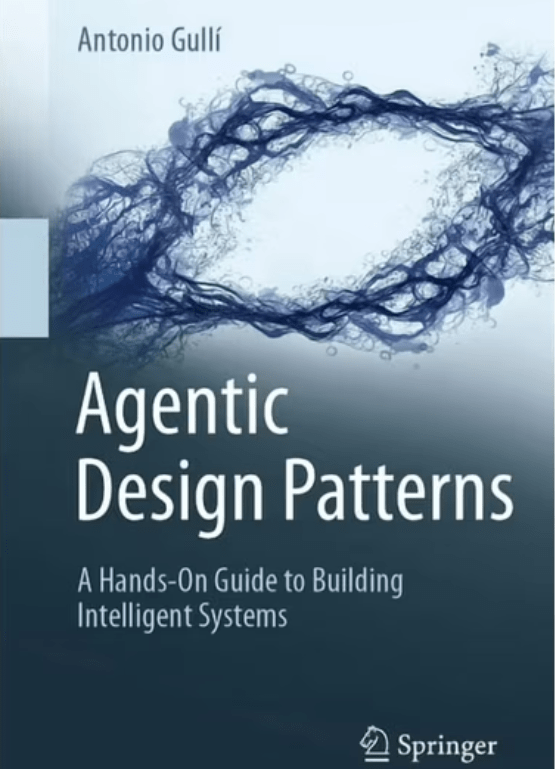
Agentic Design Patterns for Intelligent System Development
Agentic design patterns for intelligent system development provide a structured framework for building autonomous, goal-driven AI systems that can reason, plan, act, and adapt in dynamic environments. This course introduction is optimized to serve as a compelling meta description while clearly highlighting the practical and architectural value of agent-based AI systems.
Course Overview
Modern AI systems are evolving beyond simple prompt-response models into autonomous agents capable of complex reasoning, tool usage, memory management, and multi-step decision-making. In Agentic Design Patterns for Intelligent System Development, you will explore proven architectural patterns that enable the creation of scalable, reliable, and intelligent agent-based applications.
This course bridges theory and implementation, teaching you how to design AI agents that collaborate, self-reflect, use external tools, and orchestrate workflows. Whether you are building enterprise automation systems, research prototypes, or advanced AI applications, this course equips you with the practical design blueprints needed to succeed.
What You’ll Learn
- Core principles of agent-based AI architectures
- Planning, reasoning, and reflection design patterns
- Tool-augmented agents and API integration strategies
- Memory systems: short-term, long-term, and vector-based memory
- Multi-agent collaboration and orchestration frameworks
- Error handling, monitoring, and guardrail implementation
- Scalability and deployment strategies for production systems
Description: Agentic Design Patterns for Intelligent System Development
This comprehensive course provides a hands-on approach to designing intelligent systems powered by autonomous agents. You will examine popular agentic patterns such as ReAct (Reason + Act), reflection loops, planner-executor architectures, hierarchical agents, and swarm-based collaboration models. Through case studies and architectural walkthroughs, you will learn how to transform large language models into structured, goal-oriented systems capable of complex workflows.
The course emphasizes modularity, reliability, observability, and ethical AI system design. By the end, you will be able to architect intelligent systems that go beyond static prompts and evolve into adaptive, decision-making agents suitable for enterprise and research applications.
Requirements
- Basic understanding of AI or machine learning concepts
- Familiarity with APIs and software development workflows
- Optional: Experience with Python or JavaScript for practical implementation
Who This Course Is For
- AI engineers and machine learning developers
- Software architects building AI-powered systems
- DevOps and automation professionals
- Researchers and advanced students in AI and systems design
Explore These Valuable Resources
- ReAct: Synergizing Reasoning and Acting in Language Models
- Anthropic Research on Constitutional and Agentic AI
- Understanding Vector Databases for AI Memory Systems
Explore Related Courses
- Explore Related Courses
- Explore Related Courses
- Explore Related Courses
- Explore Related Courses
- Explore Related Courses
By completing this course, you will gain the architectural mindset and technical expertise required to design, deploy, and manage advanced agentic systems that are scalable, intelligent, and production-ready.

Reviews
There are no reviews yet.